



Step into a romantic vision of the past at Swiss Cottage, an enchanting 19th-century gem nestled along the River Suir. Join us as we explore its whimsical design, aristocratic heritage, and timeless allure.
Table of Contents
- The Romantic Vision Behind Swiss Cottage
- The Butler Family and Their Idyllic Retreat
- Architectural Elegance: The Cottage Orné Style
- A Visit Today: Inside the Cottage and Gardens
- Swiss Cottage in Irish Heritage and Culture
The Romantic Vision Behind Swiss Cottage
In the heart of County Tipperary, just outside the charming town of Cahir, lies a structure unlike any other in Ireland: the Swiss Cottage. With its thatched roof, irregular forms, and picturesque setting, this early 19th-century building appears to have leapt from the pages of a fairy tale. But Swiss Cottage is no fantasy — it’s a rare example of the “cottage orné” style, a romantic architectural movement that spread across Europe in the wake of the Enlightenment.
Built around 1810, Swiss Cottage was designed as a retreat from the rigid formality of aristocratic life. It represented an idealized vision of country living, where the wealthy could escape the constraints of their great houses and reconnect with nature — though always in comfort and style. Its design was part of a wider trend across Europe that championed simplicity and the beauty of the rural world, albeit through a very curated and aristocratic lens.
The name “Swiss Cottage” evokes the Alpine chalets admired in continental travel journals of the time, but its actual function was more theatrical. It was never meant for practical farming or habitation by peasants. Instead, it served as a pleasure house — a space for afternoon tea, musical performances, or picnics on the adjacent lawn. These were carefully staged encounters with nature, where the illusion of rustic simplicity masked deliberate elegance.
The trend for cottages orné — ornate cottages — found favor among the elite of Britain and Ireland in the Georgian period. Inspired by Rousseau’s ideals and the rise of Romanticism, these retreats were often tucked away in landscaped estates, blending aesthetics from the natural world with fine craftsmanship and exotic materials.
Swiss Cottage exemplifies this philosophy perfectly. Every aspect of the building’s design invites you to pause, appreciate the surroundings, and imagine a slower, gentler era. Its setting, nestled among trees beside the Suir, feels deliberately chosen to evoke peace and seclusion. And while its appearance may seem quaint, its creation was rooted in sophistication, wealth, and the aesthetics of a powerful landowning class.
Today, this architectural treasure is preserved by the Office of Public Works and is open to visitors from around the world.
The Butler Family and Their Idyllic Retreat
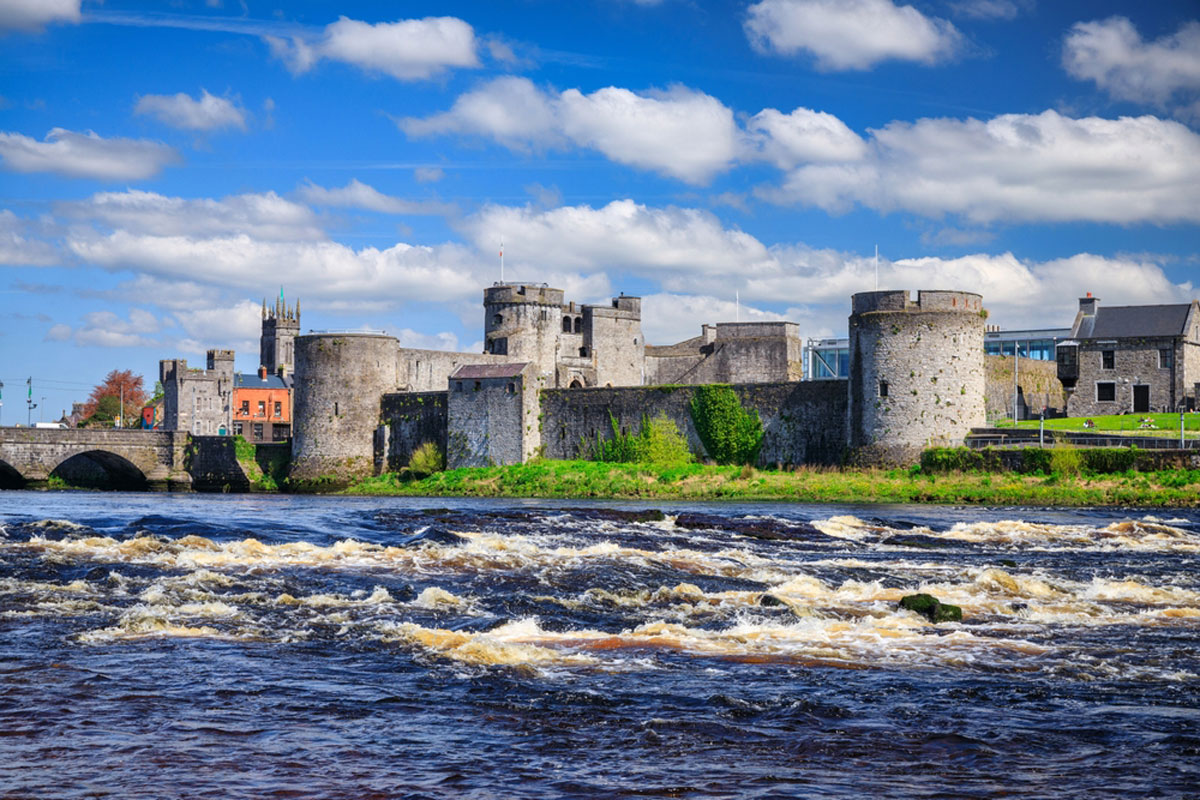
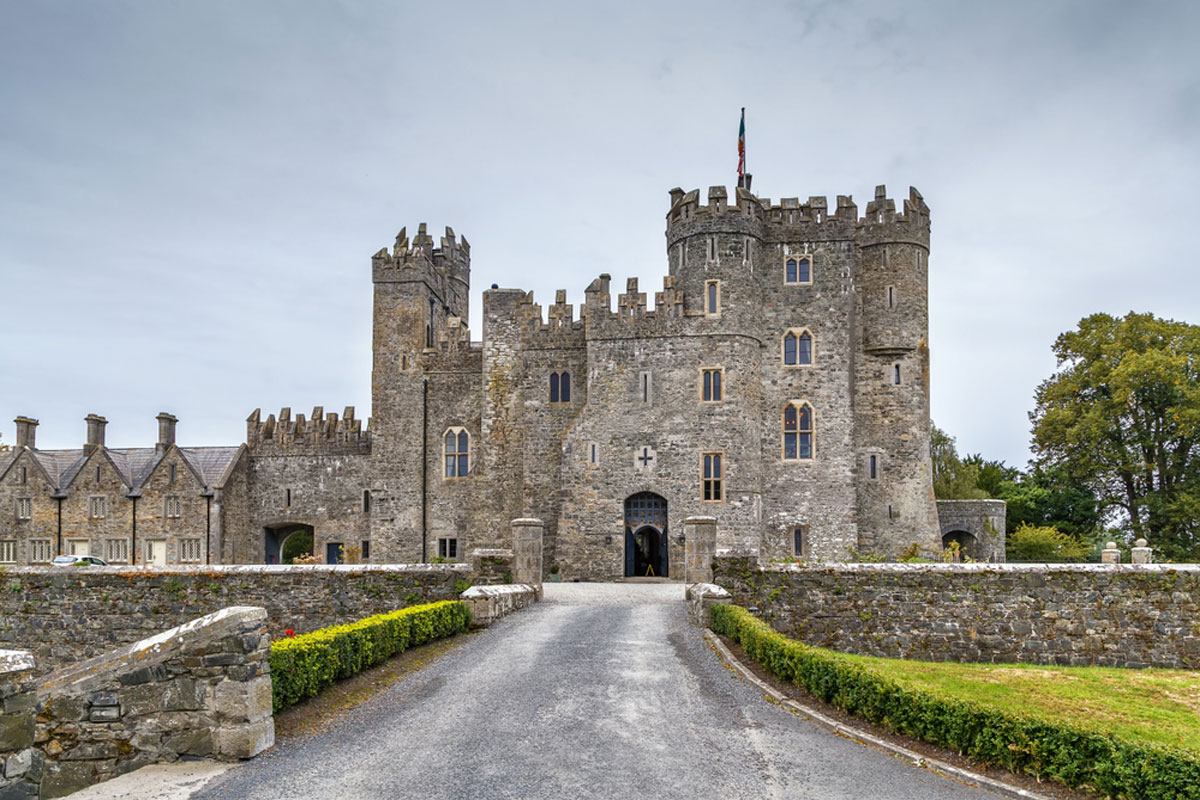
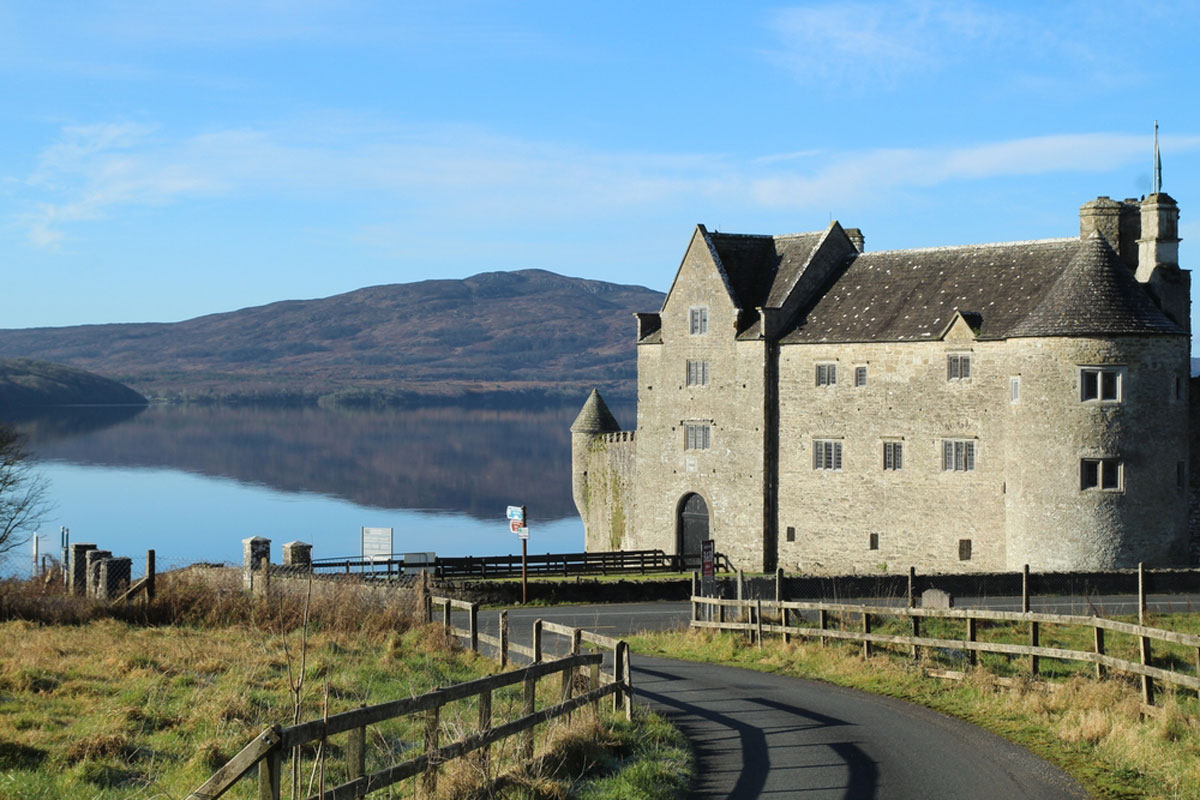
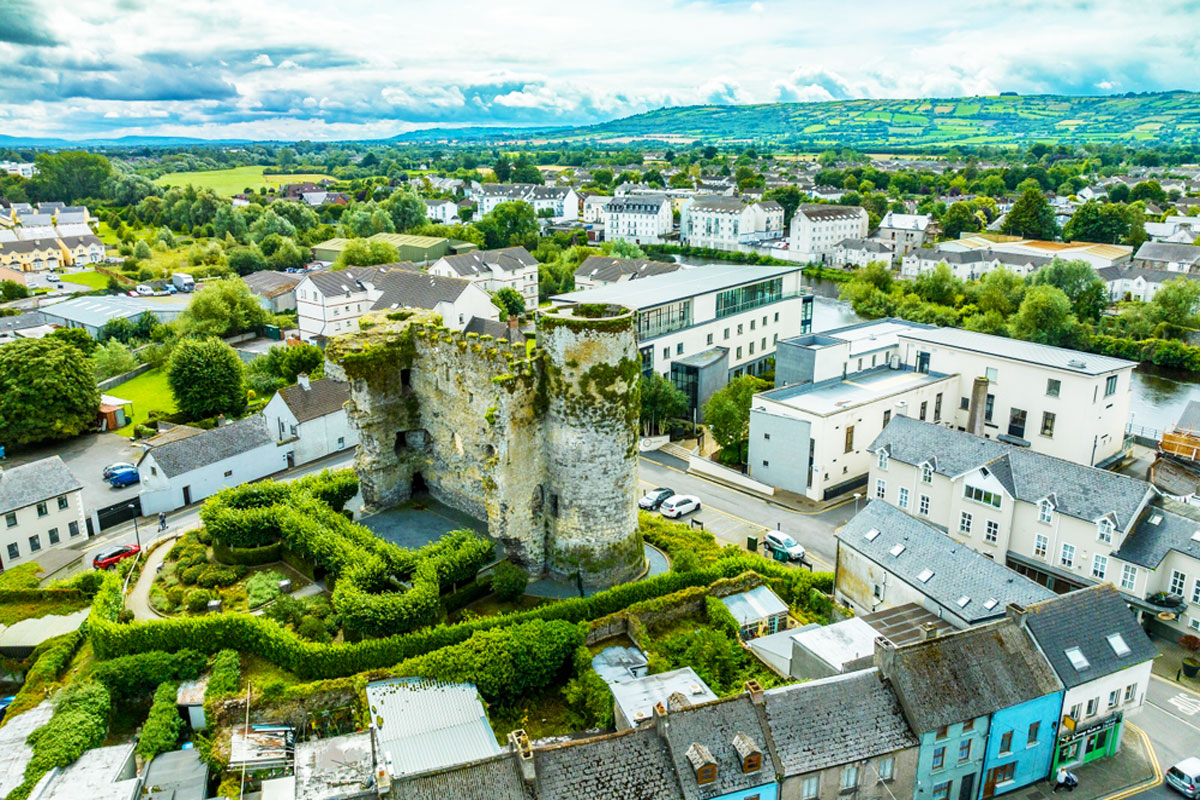
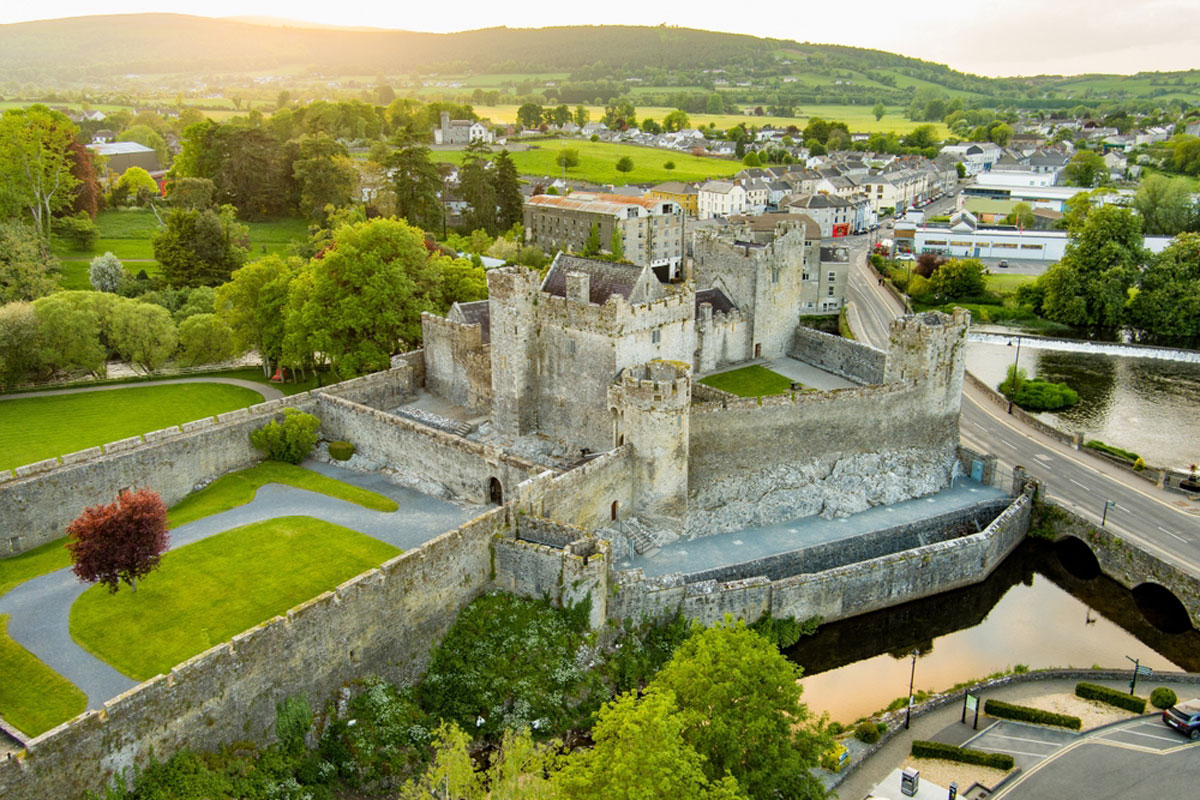
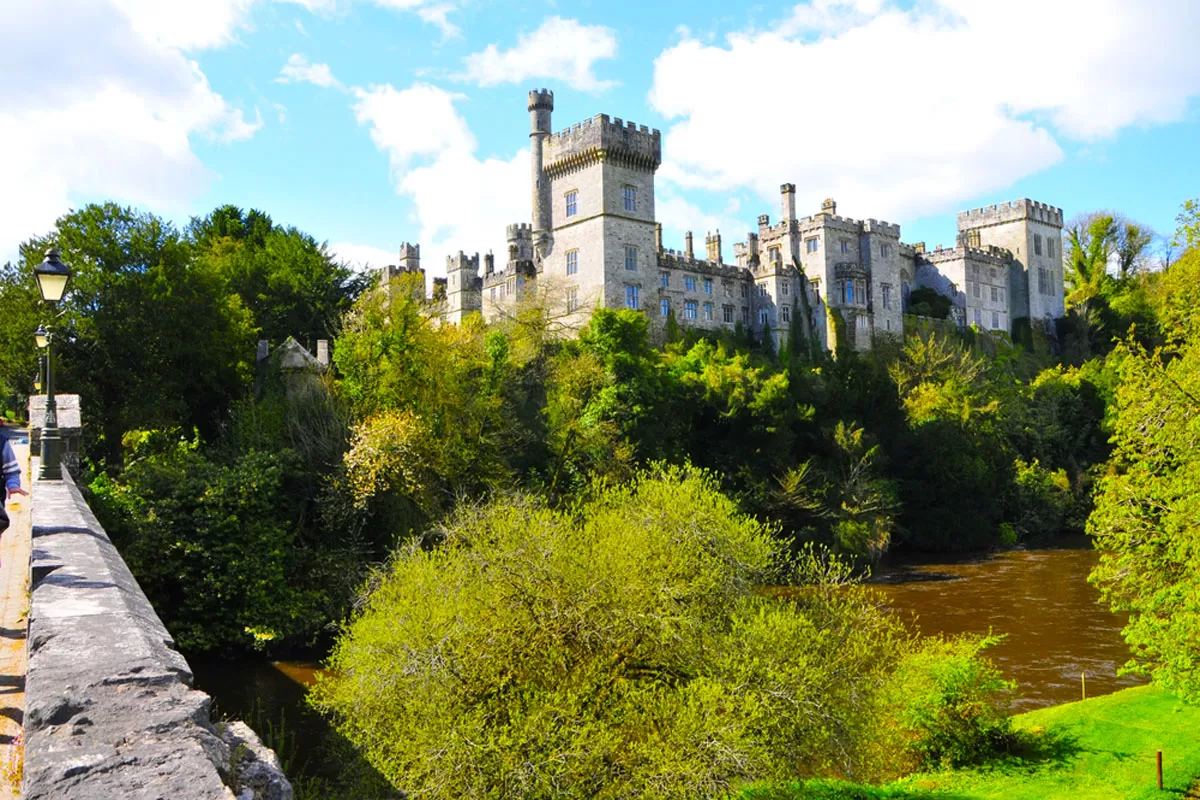
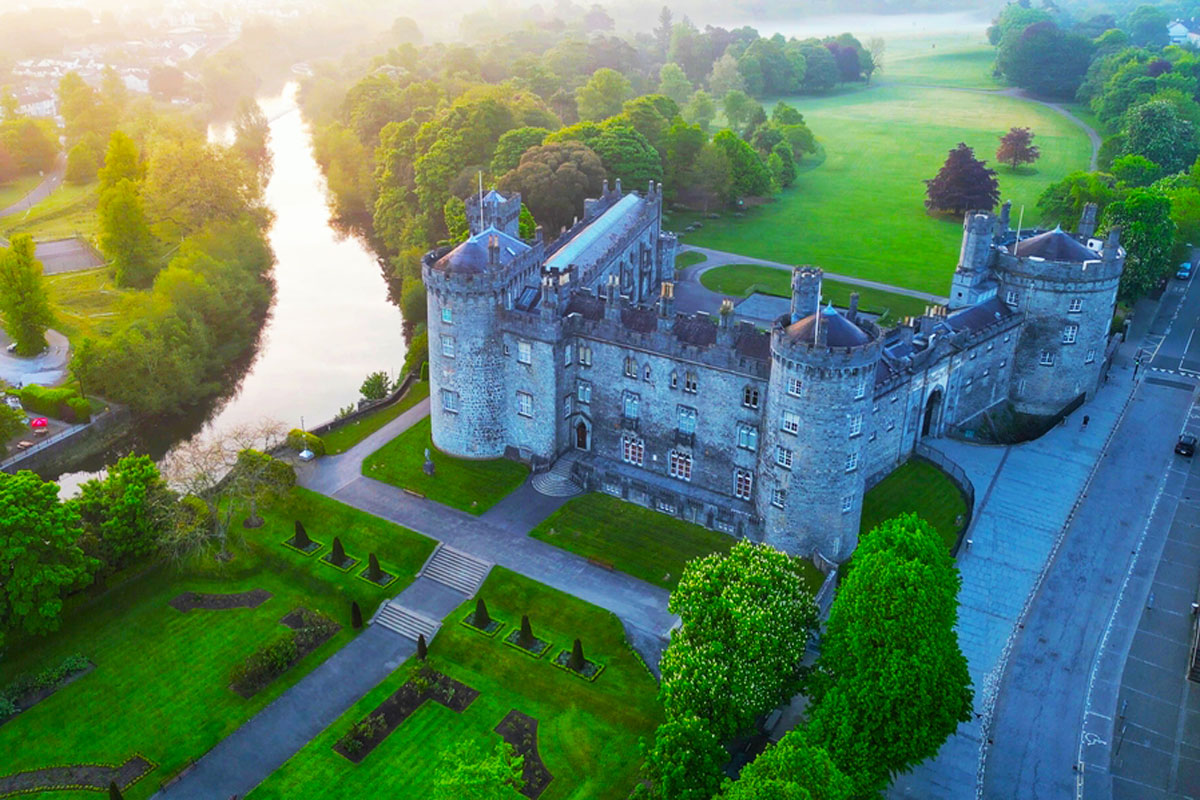
To understand the story of Swiss Cottage, one must step into the world of the Butlers of Cahir — one of Ireland’s most prominent Anglo-Irish families. For centuries, the Butlers wielded influence across Tipperary, and their stronghold, Cahir Castle, remains a powerful symbol of their legacy. But while the castle embodied strength and authority, the Swiss Cottage reflected an entirely different side of their identity: refinement, romanticism, and leisure.
It was Richard Butler, 1st Earl of Glengall, who is most often associated with the construction of Swiss Cottage around 1810. At the time, aristocrats across Europe were embracing new fashions in art, architecture, and lifestyle. Rustic elegance became the trend, and cottage-style retreats were all the rage among the elite. For the Butlers, Swiss Cottage was more than a novelty — it was a way to signal taste, wealth, and cultural awareness.
The Butlers used the cottage as a private retreat, ideal for entertaining guests in a relaxed, picturesque setting. Situated just a short walk or carriage ride from Cahir Castle, it offered a change of pace without straying far from home. Afternoon tea, poetry readings, music recitals, and nature walks were typical activities held here, often framed as wholesome alternatives to the grandeur and formality of castle life.
There are stories — some fanciful, others more credible — of guests being led through winding forest paths to “accidentally” discover the cottage, as if stumbling upon a hidden treasure. This theatricality was very much part of the romantic ethos. It created an atmosphere of wonder and escape, perfectly in keeping with the ideals of the time.
Despite its charm and detail, Swiss Cottage was never meant for overnight stays or year-round occupation. Its purpose was aesthetic and experiential. It was a place to feel rather than to live. That’s what made it so remarkable. And in this sense, it remains true to its origins today, inviting modern visitors to immerse themselves in the same spellbinding atmosphere once enjoyed by 19th-century aristocrats.
The Butlers left an indelible mark not just on the physical landscape of Tipperary, but also on its cultural and architectural heritage. While Cahir Castle tells the story of power and protection, Swiss Cottage tells the story of pleasure and peace.
Architectural Elegance – The Cottage Orné Style
Swiss Cottage is a rare and exquisite example of the cottage orné style — an architectural movement that combined rustic charm with refined elegance. Emerging in the late 18th century, particularly in Britain and Ireland, this style represented a deliberate shift away from rigid classical forms and toward designs that embraced nature, whimsy, and ornamentation.
The term “cottage orné” translates to “ornamented cottage,” and Swiss Cottage exemplifies the style with remarkable flair. Its asymmetrical design, thatched roof, curved walls, and irregular windows all contribute to a sense of natural flow and organic integration with the landscape. But this rusticity is artfully constructed — everything is intentional, from the delicate trellised veranda to the intricately carved woodwork that graces the interiors.
Although the architect is not definitively known, many historians believe John Nash, a celebrated Regency architect and master of picturesque design, may have been involved. Nash was responsible for similar projects across the British Isles, and Swiss Cottage bears many hallmarks of his influence: romantic styling, naturalistic placement, and theatrical flair.
One of the most astonishing features inside the cottage is its original hand-painted French wallpaper, depicting exotic birds and flowers in a delicate Chinoiserie style. This wallpaper, produced by the Dufour factory in France, would have been a luxurious import at the time, speaking to the Butlers’ taste and affluence. Remarkably, this wallpaper survives today — one of the few examples of its kind still intact in Europe.
The furniture within the cottage, much of which has been restored or carefully reproduced, also adheres to the romantic aesthetic. Light woods, curved lines, and motifs inspired by nature all contribute to an atmosphere of gentle refinement. Even the placement of windows — positioned to frame picturesque views of the River Suir and surrounding foliage — reflects the principles of the picturesque movement that inspired the entire structure.
While the exterior may seem delightfully simple, every inch of the design is the result of thoughtful artistry. The chimney stacks are twisted and whimsical, the doors irregular and inviting, and the path to the entrance deliberately curved to create a slow and revealing approach.
Swiss Cottage is not just a building; it is an experience. It was designed to stir emotion, provoke admiration, and connect its visitors with a stylized version of nature.
A Visit Today – Inside the Cottage and Gardens
Visiting Swiss Cottage today is like stepping back into a more romantic and whimsical time. Managed by Ireland’s Office of Public Works (OPW), the cottage is carefully preserved and open to the public during the warmer months, typically from spring to autumn. Whether you’re a history lover, architecture enthusiast, or curious traveler, this site offers a truly immersive experience in one of Ireland’s most enchanting settings.
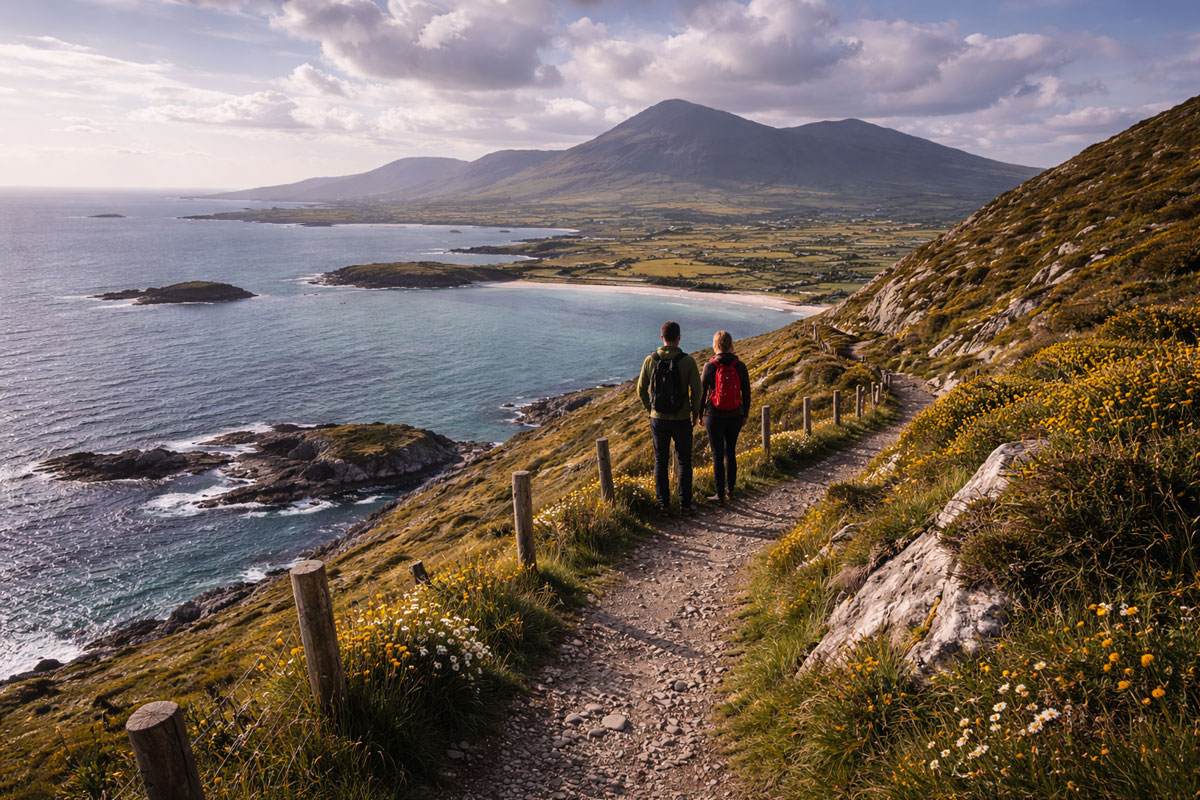
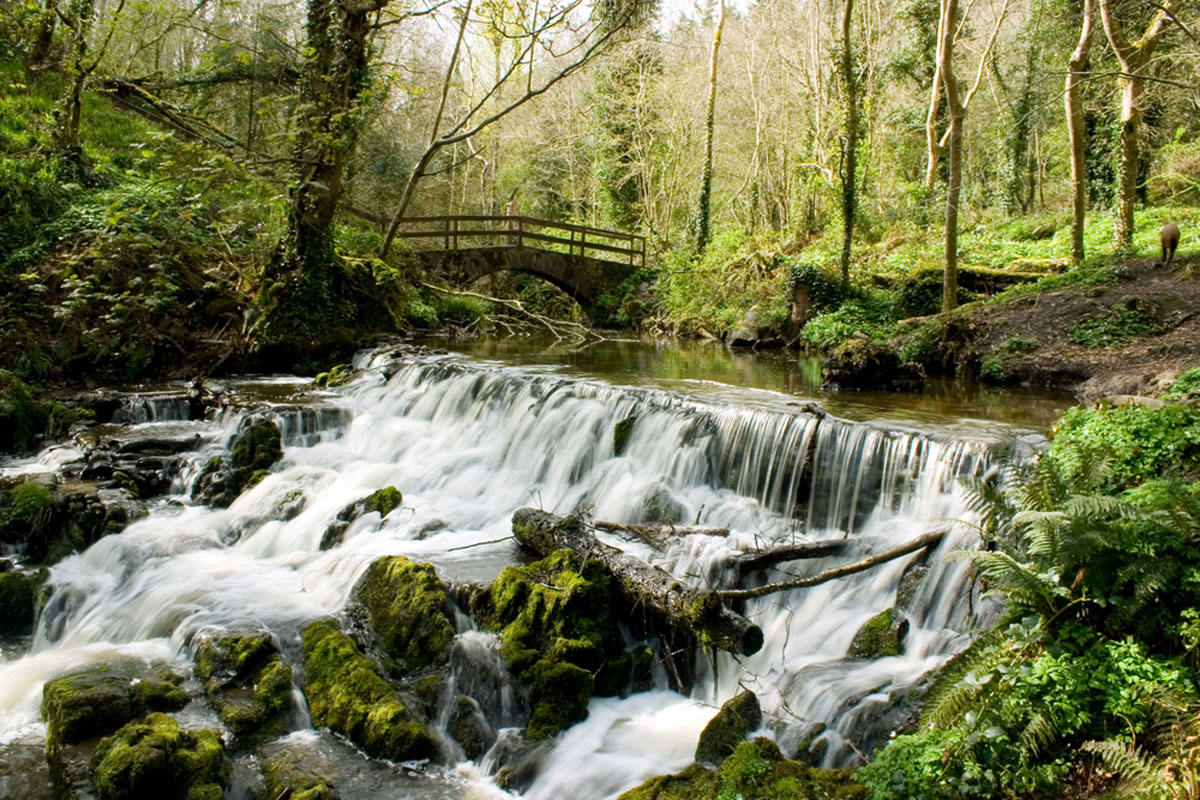
The best way to reach Swiss Cottage is by taking the scenic riverside woodland walk from Cahir Castle, which takes approximately 20–30 minutes on foot. This peaceful trail follows the River Suir and echoes the original intention of discovering the cottage as a “hidden gem” in the landscape — just as it was meant to be revealed to 19th-century visitors.
Upon arrival, you’ll be greeted by a thatched, vine-draped structure nestled among trees and gardens. The cottage appears modest at first glance, but as you step inside on a guided tour, its rich details and historical significance are revealed room by room.
Inside, visitors can admire:
- The famous hand-painted Dufour wallpaper, showcasing exotic birds and botanicals
- Restored Regency-era furniture and décor
- Curved doors, timber floors, and intricately carved woodwork
- Bright, airy rooms with windows framing the natural landscape
Knowledgeable guides share insights into the cottage’s construction, its role in the life of the Butler family, and the broader historical context of the cottage orné movement. You’ll also hear about the careful restoration efforts that brought this fragile building back to life after years of neglect in the 20th century.
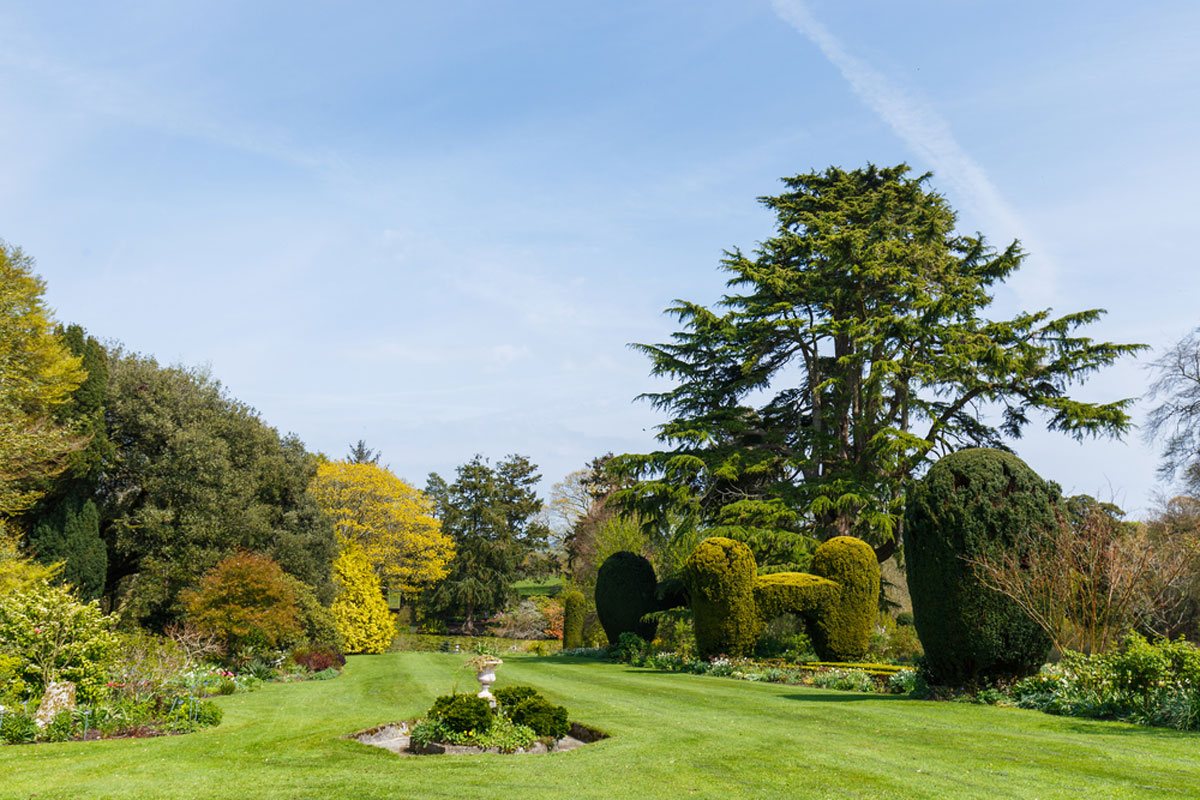
Outside, the surroundings are just as charming. The cottage sits in a landscaped garden with flowering shrubs, mature trees, and well-kept paths. The River Suir flows gently nearby, and birdsong fills the air — all of which enhances the serene atmosphere.
Many visitors pair their trip with a stop at Cahir Castle and the town of Cahir itself, which offers lovely cafés, shops, and a warm local welcome. Combined, these attractions make for a perfect day out in County Tipperary.
Whether you come for the history, the setting, or the storybook beauty of the place, Swiss Cottage is a living piece of Ireland’s artistic and architectural heritage.

Cahir Castle
Swiss Cottage in Irish Heritage and Culture
Though small in scale, Swiss Cottage holds an outsized place in Ireland’s architectural and cultural story. As one of the finest surviving examples of the cottage orné style, it represents not only a unique moment in European design history, but also a window into the evolving tastes and lifestyles of Ireland’s aristocratic class during the Georgian and Regency periods.
For much of the 20th century, Swiss Cottage fell into neglect. Its purpose faded as aristocratic influence declined, and by the mid-1900s, the building was in danger of collapse. But thanks to the dedication of conservationists and Ireland’s Office of Public Works (OPW), the cottage underwent careful restoration and was reopened to the public in the 1980s.
Since then, it has become a cherished heritage site, attracting visitors from around the world and serving as a popular educational resource for students of history, architecture, and design. Its restored interiors and original features — particularly the Dufour wallpaper — are frequently cited in academic studies and conservation circles.
But beyond academia, Swiss Cottage has also woven its way into Irish cultural consciousness. Artists, photographers, and writers have drawn inspiration from its storybook appearance and tranquil surroundings. It has featured in travel literature, art exhibitions, and even modern social media — where its romantic silhouette continues to enchant a new generation.
Perhaps more subtly, the cottage has become a symbol of the importance of preserving Ireland’s diverse built heritage. Not all historic structures are castles or cathedrals. Some, like Swiss Cottage, are expressions of leisure, artistry, and imagination. They remind us that history is not only written in grand battles and great houses, but also in the quiet corners where beauty was cultivated for its own sake.
As you stand beneath its thatched roof or gaze through its curved windows at the Suir, you are experiencing the same wonder that once stirred poets and nobles over 200 years ago. Swiss Cottage is not just a building; it’s a testament to the human desire to blend nature and art — to create not merely shelter, but sanctuary.
Plan your visit, walk the riverside path, and let yourself be charmed. Few places in Ireland offer such a magical encounter with the past, still whispering its stories through timber beams and climbing roses.