Table of Contents
- Introduction: A Renaissance Gem on the Shores of Lough Derg
- History and Architecture: From the de Burgh Family to Restoration
- Gardens, Courtyard, and Outbuildings
- Visitor Information: Access, Hours, and Surrounding Attractions
- Heritage and Significance: Portumna’s Place in Irish History
Introduction: A Renaissance Gem on the Shores of Lough Derg
Overlooking the tranquil waters of Lough Derg in County Galway, Portumna Castle stands as one of Ireland’s most elegant examples of Jacobean-Renaissance architecture. Built around 1618 by Richard Burke, 4th Earl of Clanricarde, this grand mansion combined the defensive solidity of a medieval fortress with the symmetry and style of continental design. Its stone façades, tall mullioned windows, and formal gardens reveal a confident new era of architecture emerging in early-modern Ireland.
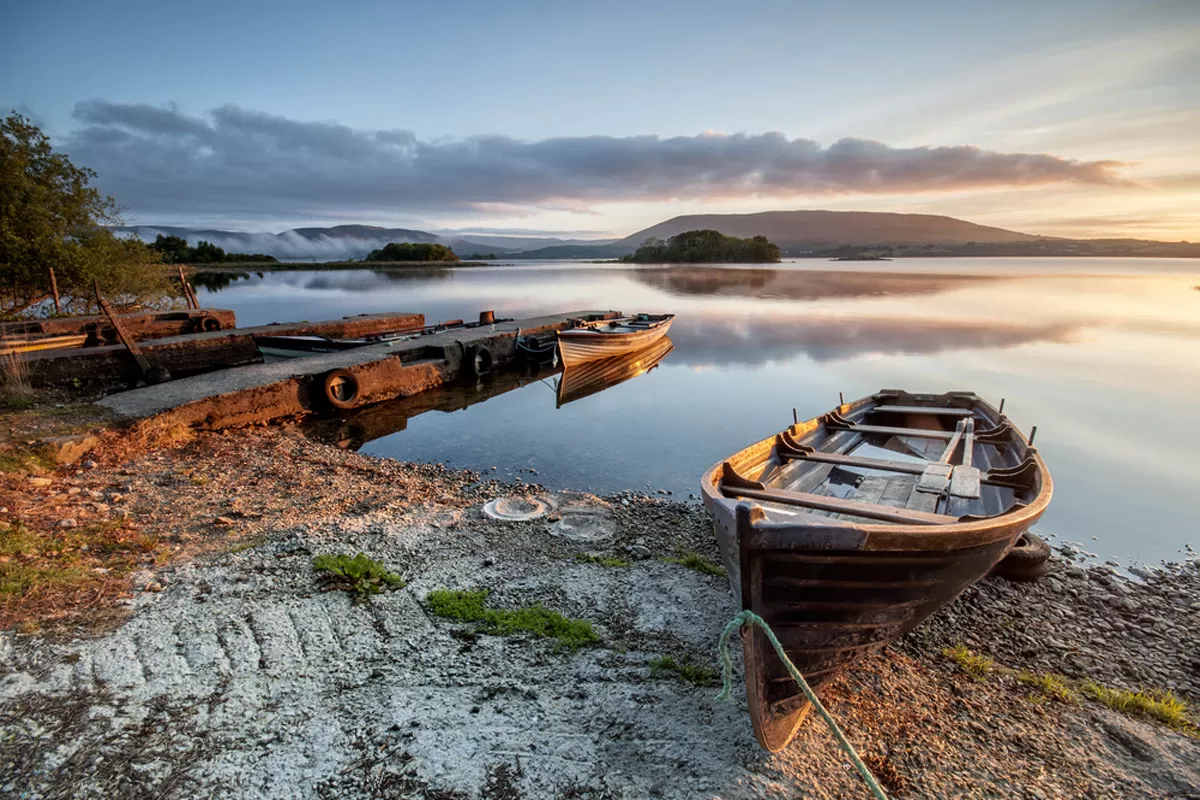
The castle’s setting is part of its charm. Facing the vast expanse of Lough Derg and backed by woodland, Portumna unites natural beauty with refined human craftsmanship. Once the seat of one of Connacht’s most powerful families, it later fell into decline after a devastating fire in 1826. Today, following careful conservation by the Office of Public Works (OPW), the restored ground floor and gardens once again invite visitors to experience the elegance and atmosphere of Ireland’s Renaissance age.
Whether you arrive by car, bicycle, or via the nearby Portumna Marina on the River Shannon, the castle forms the heart of a wider heritage landscape. The walled garden bursts with colour in summer, the courtyard café offers a quiet place to pause, and the nearby Portumna Forest Park provides scenic walking and cycling trails. For anyone exploring the Shannon region or the Lough Derg Blueway, Portumna Castle is a must-see blend of history, architecture, and lakeside tranquillity.
History and Architecture: From the de Burgh Family to Restoration
Portumna Castle was built in the early 17th century by Richard Burke (de Burgh), 4th Earl of Clanricarde, a member of one of the most powerful Anglo-Irish families in Connacht. Completed around 1618, the castle represented a new architectural vision for Ireland — a move away from the fortified tower houses of the medieval world toward the symmetry and refinement of the European Renaissance. It combined the defensive strength of thick limestone walls with large mullioned windows, high gables, and a balanced, square plan that reflected continental influences.
The layout follows the classic Jacobean mansion design, with four corner towers enclosing a central courtyard. Wide staircases, large chimneys, and grand reception rooms signalled wealth and sophistication. Though built for comfort and prestige, the structure retained defensive features such as narrow entrance points and strong corner turrets — a practical response to the unsettled conditions of 17th-century Ireland.
The Burkes, later known as the Clanricarde family, lived in Portumna for more than two centuries. However, the castle’s fortunes changed dramatically in 1826 when a devastating fire gutted much of the interior, leaving the great rooms open to the sky. The family relocated to the nearby Portumna House, and the castle remained in ruins for nearly 150 years.
In the late 20th century, the site came under the care of the Office of Public Works (OPW), which began an extensive programme of conservation. Careful stonework repair, archaeological investigation, and landscape restoration gradually brought Portumna back to life. Today, the ground floor is open to visitors, featuring interpretive displays that trace the story of the de Burgh family, the architecture of the house, and the restoration process that saved it from decay.
Portumna Castle now stands as both a historic monument and a symbol of renewal — its solid limestone form once again reflected in the still waters of Lough Derg.
Gardens, Courtyard, and Outbuildings
Beyond the grandeur of Portumna Castle itself lies a landscape designed for beauty, self-sufficiency, and quiet reflection. The castle complex includes a walled garden, courtyard, and restored outbuildings that together evoke the lifestyle of an early 17th-century noble household. Each area reveals a different aspect of the estate — from formal elegance to the practical rhythms of daily life.
The walled garden is one of Portumna’s finest features. Once used to grow fruit, vegetables, and medicinal herbs for the household, it has been lovingly restored by the Office of Public Works (OPW) to its 17th-century character. Today, the symmetrical flower beds, gravel paths, and espaliered fruit trees create a peaceful retreat filled with colour and fragrance. In spring and summer, tulips, roses, and lavender frame views of the castle’s limestone façade, while the distant glimmer of Lough Derg completes the scene.
Adjoining the castle is the courtyard, where stables, workshops, and servants’ quarters once supported the daily running of the estate. These outbuildings now host interpretive exhibits on the history of Portumna and its restoration, as well as a charming café that invites visitors to pause for coffee or lunch. The combination of heritage architecture and modern amenities makes it easy to spend an unhurried afternoon exploring the site.
One of the pleasures of visiting Portumna is how seamlessly the grounds blend with the wider landscape. Trails lead from the gardens toward Portumna Forest Park and down to the marina, where boats moor along the Shannon. Whether you’re drawn to the formal geometry of the gardens or the quiet rural paths beyond the walls, the castle grounds offer an ideal balance of history, nature, and tranquillity.
Taken together, the gardens, courtyard, and surrounding parkland complete the experience of Portumna Castle — not just as a historic monument, but as a living environment where visitors can step into Ireland’s Renaissance past while enjoying the serenity of the present.
Visitor Information: Access, Hours, and Surrounding Attractions
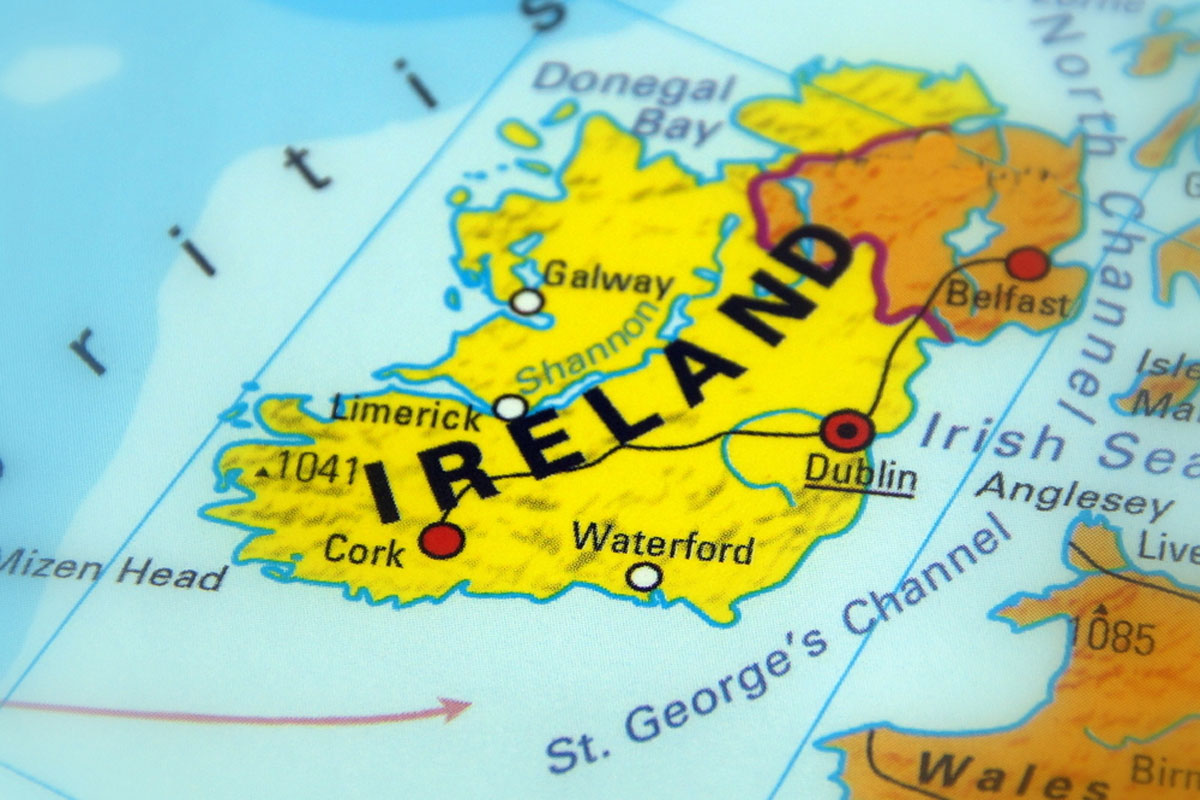
Portumna Castle is located on the northern shore of Lough Derg, just a short walk from the centre of Portumna town in County Galway. The site is managed by the Office of Public Works (OPW) and is open to the public from spring through autumn, typically from late March to late October (check official OPW or Heritage Ireland listings for current opening times). Admission is modest, with free entry for Heritage Card holders.
Access is straightforward by car via the N65 road, which connects Portumna to the nearby towns of Loughrea and Borrisokane. There is a spacious car park adjacent to the castle entrance, and visitors can also arrive by boat through the Portumna Marina on the Shannon Navigation, just a few minutes’ walk away. The site is fully signposted and wheelchair accessible, with paved paths around the main building and gardens.
Facilities on-site include public restrooms, a small café and gift shop in the courtyard, picnic areas, and outdoor seating. Guided tours are available during peak months, offering deeper insight into the history, architecture, and restoration of the castle. For families, the open lawns and garden trails provide a relaxed and scenic setting for exploration.
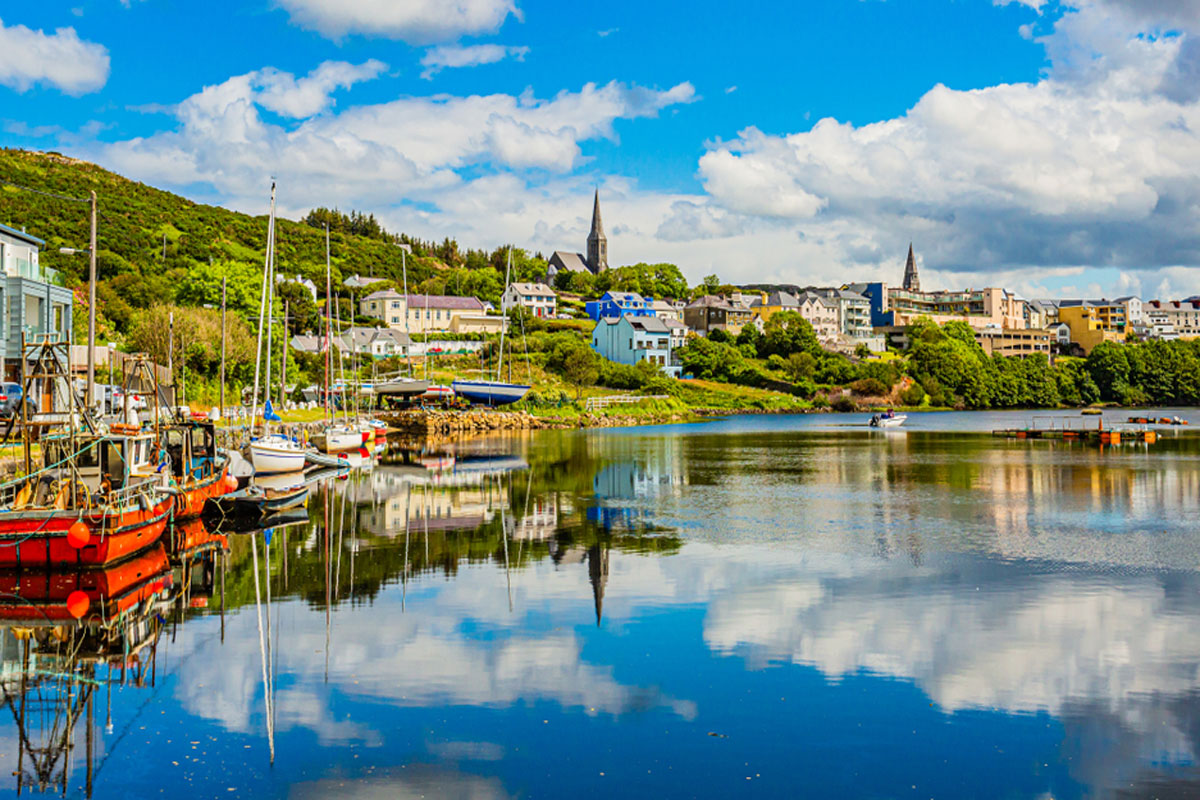
Beyond the castle grounds, visitors can explore a wealth of nearby attractions. The adjacent Portumna Forest Park features walking and cycling trails through mixed woodland, while Lough Derg offers opportunities for boating, fishing, and lakeside picnics. The town itself boasts traditional pubs, restaurants, and shops, giving it a friendly and welcoming atmosphere.
Whether you’re exploring by car, bike, or boat, Portumna Castle serves as the perfect stop on a Lough Derg Heritage Trail — a place where history, architecture, and natural beauty meet in a setting that feels timeless and serene.
Heritage and Significance: Portumna’s Place in Irish History
Among Ireland’s many historic houses, Portumna Castle holds a special place as one of the earliest and best-preserved examples of Renaissance architecture in the country. Its design marks a turning point in Irish building history — the moment when the fortified castles of the medieval world gave way to the symmetry, refinement, and artistry of the early modern age. With its balanced proportions and blend of defensive and decorative elements, Portumna embodies the aspirations of a noble family at the height of their influence.
The Clanricarde (de Burgh) family who built the castle were key figures in the political and cultural life of 17th-century Ireland. Their connections to both English and Irish traditions are reflected in the architecture itself — a fusion of Renaissance elegance with the strength of a Gaelic stronghold. In this way, Portumna stands as a symbol of Ireland’s transitional period, when old loyalties, new ideas, and continental influences all converged.
As centuries passed, Portumna’s story became one of endurance and renewal. The fire that left it roofless in 1826 could have sealed its fate, but the survival of its sturdy limestone walls allowed for eventual restoration. Today, thanks to the conservation efforts of the Office of Public Works (OPW), the castle has been stabilized and sensitively interpreted, offering visitors a vivid connection to Ireland’s Renaissance heritage.
The castle’s significance extends beyond its architecture. It is part of a wider cultural landscape that includes Lough Derg, the River Shannon, and Portumna Forest Park — areas where history, nature, and recreation coexist. Together, they form one of the most scenic heritage destinations in western Ireland, inviting reflection on how the country’s great houses once shaped their surroundings.
Whether admired for its design, its resilience, or its lakeside grace, Portumna Castle remains a living monument to Ireland’s architectural and cultural evolution — a place where the spirit of the Renaissance still echoes beside the waters of Lough Derg.