

Table of Contents
- Introduction: A Sacred Island on Strangford Lough
- The History of Nendrum Monastery: From Early Christian Roots to Ruin
- Exploring the Ruins: What to See at Nendrum
- Visitor Information and How to Get There
- Legends, Heritage, and the Spiritual Legacy of Nendrum
Introduction: A Sacred Island on Strangford Lough
Perched quietly on Mahee Island in the tranquil waters of Strangford Lough, the Nendrum Monastic Site offers visitors a peaceful journey into Ireland’s early Christian past. Surrounded by gentle tides and sheltered bays, this serene ruin is one of the most evocative monastic sites in Northern Ireland, combining rich history, scenic beauty, and spiritual calm.
Founded in the 5th or early 6th century, Nendrum is believed to have been established by St. Mochaoi, a disciple of St. Patrick. For centuries, it served as a hub of learning, worship, and craftsmanship — a place where monks studied scripture, tended gardens, and maintained close ties with the surrounding coastal communities.
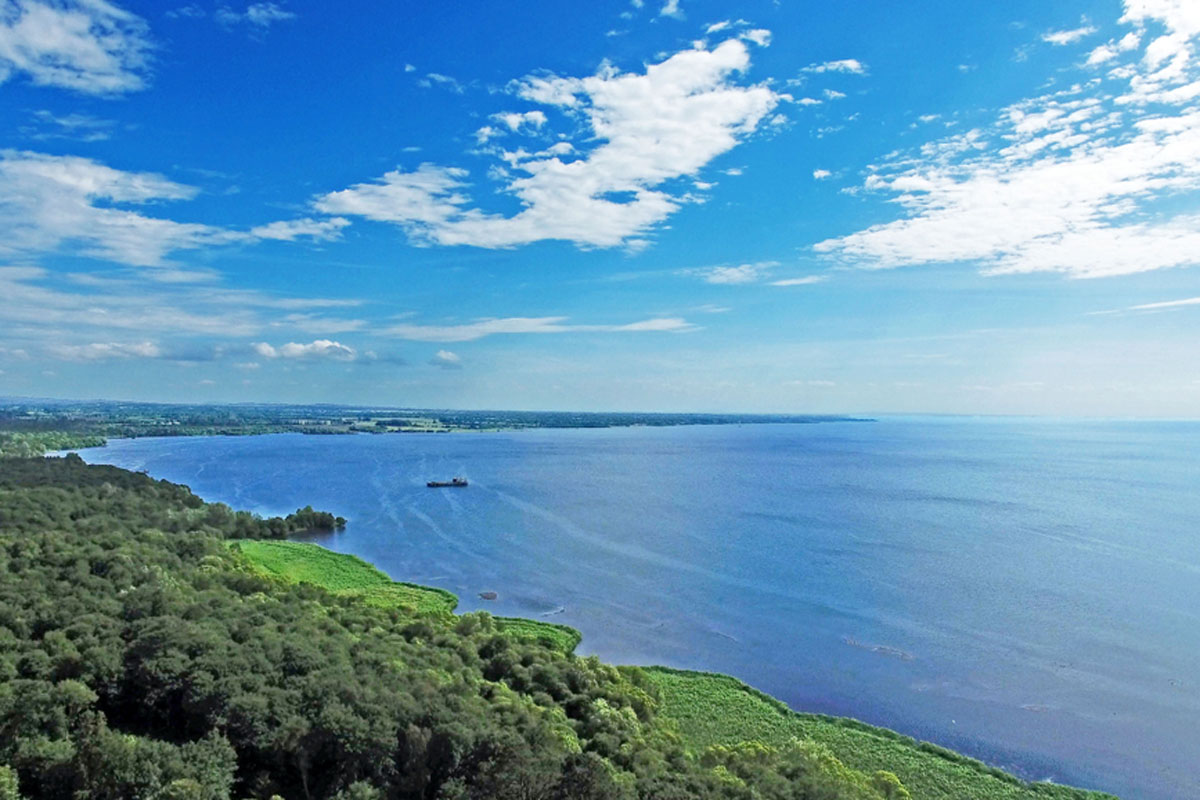
Today, the remains of Nendrum are carefully preserved, allowing visitors to wander through the stone walls, ruined church, and ancient enclosures. With sweeping views of Strangford Lough and its many islands, the site retains an atmosphere of timeless tranquility, making it a perfect destination for those seeking both history and reflection.
The History of Nendrum Monastery: From Early Christian Roots to Ruin
The story of Nendrum Monastic Site begins in the early Christian period, around the 5th or 6th century AD. Tradition credits its foundation to St. Mochaoi (also known as Mochae), a disciple of St. Patrick. According to legend, Patrick himself appointed Mochaoi as bishop and granted him this small island on Strangford Lough to establish a community of faith.
During the early medieval period, Nendrum flourished as a centre for religious study, craftsmanship, and agriculture. Archaeological excavations have revealed evidence of metalworking, farming, and even advanced timekeeping — including the remains of what is thought to be the world’s oldest known tidal mill, dating to the 7th century. This ingenious device harnessed the tides of Strangford Lough to grind grain, demonstrating the monks’ skill in combining practical needs with environmental knowledge.
By the 10th and 11th centuries, Nendrum was a thriving monastic settlement, surrounded by a distinctive triple set of stone walls or cashels. These concentric enclosures separated different functional areas — an inner sacred space for worship, a middle zone for domestic and communal life, and an outer ring for farming and livestock.
However, like many early monasteries, Nendrum’s fortunes declined over time. Viking raids in the 9th century may have caused damage, and by the late medieval period the site was abandoned. The monastery eventually fell into ruin, leaving behind the hauntingly beautiful remains we see today.
Rediscovered in the 19th century, Nendrum has since been the focus of careful archaeological study, offering a rare window into the spiritual and daily life of Ireland’s earliest monastic communities.
Exploring the Ruins: What to See at Nendrum
While Nendrum Monastery may be in ruins, the site offers plenty to explore for history lovers, photographers, and anyone seeking a peaceful outdoor experience. The layout of the monastery remains clear, allowing visitors to imagine life here more than a thousand years ago.
🔹 The Triple Cashel Walls
One of Nendrum’s most striking features is its triple set of stone walls. These concentric enclosures are a hallmark of early Irish monasteries, dividing sacred, domestic, and agricultural areas. The inner wall marks the heart of the monastery, while the outer enclosures once contained gardens, workshops, and animal pens.
🔹 The Church Ruins
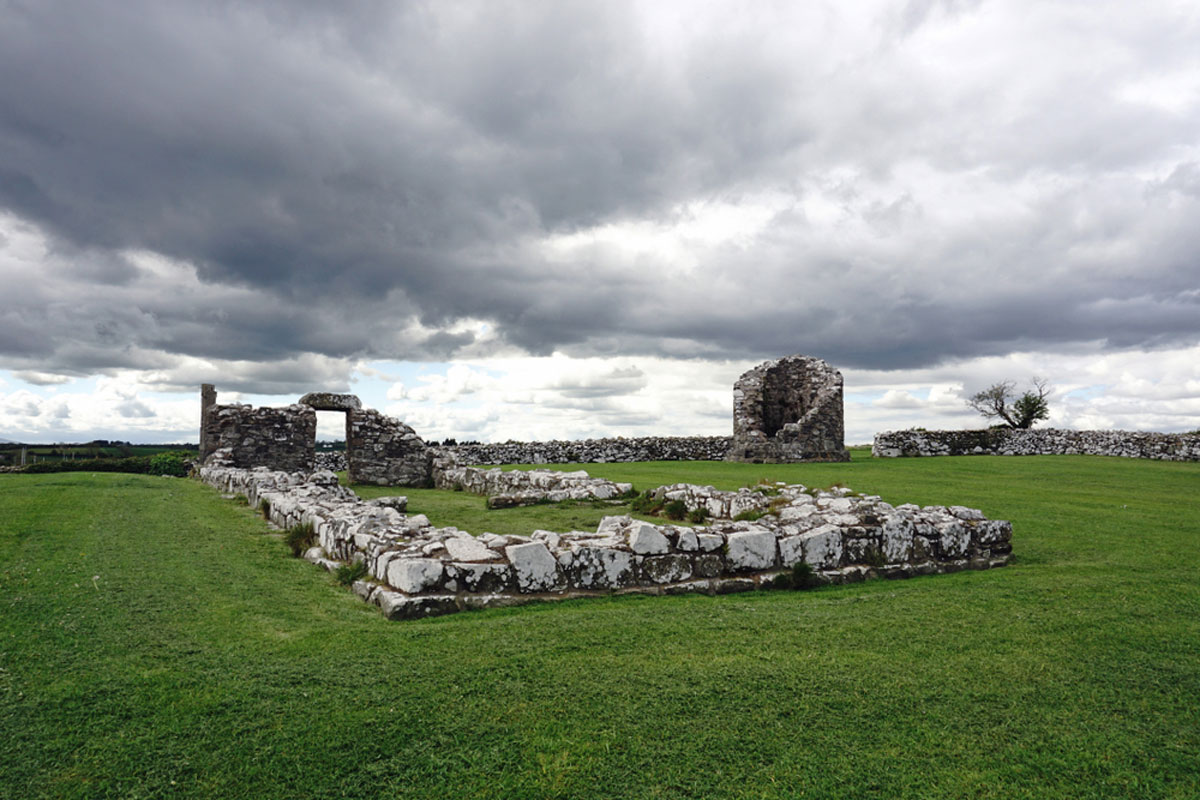
At the centre lies the remains of a small stone church, likely dating from the 10th or 11th century. Although only the foundations and lower walls survive, its simplicity and location speak to the monastery’s humble character. The church would have been the focus of daily prayer, with monks gathering for worship at set times throughout the day.
🔹 The Round Tower Base
Nendrum once had a round tower — a tall stone structure typical of early Irish monastic sites. Today only the base remains, but it hints at the tower’s original role as both a bell tower and a refuge during times of attack.
🔹 The Tidal Mill
Just beyond the main enclosures lies the site of Nendrum’s tidal mill, a remarkable feat of early engineering. While little remains above ground, information boards explain how the monks harnessed the ebb and flow of Strangford Lough to grind grain — a technology far ahead of its time.
🔹 Scenic Views
From the higher points of the site, visitors can enjoy panoramic views of Strangford Lough and its many small islands. The peaceful setting enhances the sense of stepping back in time, making it easy to understand why the early monks chose this secluded location for contemplation and prayer.
Whether you come for the history, the views, or the tranquil atmosphere, Nendrum offers a rare opportunity to connect with Ireland’s early monastic heritage in a truly authentic setting.
Visitor Information and How to Get There
Nendrum Monastic Site is one of those rare heritage locations that remains peaceful, uncommercialized, and free to explore. With its rural setting on Mahee Island, it’s best suited for visitors who enjoy a relaxed pace and the combination of history and nature.
📍 Location
The site is located on Mahee Island in County Down, Northern Ireland. It sits along the eastern shore of Strangford Lough, roughly 30 minutes by car from Belfast and about 15 minutes from Comber.
🗺️ Getting There
- By Car: From Belfast, take the A22 toward Comber, then follow signs for Strangford Lough and Mahee Island. Cross the narrow stone causeway to reach the island. The site is signposted, and a small parking area is available nearby.
- By Public Transport: Public buses from Belfast serve Comber, but there is no direct service to Mahee Island. A car or taxi is the most practical option.
🕒 Opening Times
The site is open year-round during daylight hours. There are no gates or admission fees.
💡 Facilities
- No toilets or café on-site — nearest facilities are in Comber or nearby villages.
- Interpretive panels around the site provide historical information.
- The ground is uneven and grassy, so wear sturdy footwear.
🌤️ Best Time to Visit
Spring and summer offer the best weather and brightest views over Strangford Lough. Early morning or late afternoon visits provide a particularly peaceful experience, with soft light enhancing the beauty of the ruins.
Visiting Nendrum is as much about enjoying the journey as the destination — the drive along Strangford Lough is dotted with viewpoints, birdwatching spots, and other historic sites worth exploring.
Legends, Heritage, and the Spiritual Legacy of Nendrum
Nendrum is more than an archaeological site — it is a place where history and legend are woven together. The monastery’s founder, St. Mochaoi, is remembered in local tradition as a devoted follower of St. Patrick. One story tells of Patrick gifting him a bell and appointing him bishop, charging him with spreading the Christian faith in this quiet corner of Strangford Lough.
The name “Nendrum” is thought to mean “the fort of the ridge,” hinting at its earlier pre-Christian significance. Some historians believe the island may have been a place of ritual before the arrival of Christianity, making it a site of continuous spiritual importance for centuries.
The Cailleach (Old Hag) — a supernatural figure in Irish folklore — is also linked to this region, and tales persist of her shaping the landscape around the lough. While these legends are not directly tied to Nendrum, they contribute to the mystical atmosphere of the area.
Today, Nendrum’s legacy lives on through its remarkable preservation and educational value. Archaeological excavations have revealed a wealth of information about monastic life, craftsmanship, and ingenuity — especially the tidal mill, which continues to attract scholarly interest worldwide.
For visitors, the site offers more than just historical insight. Standing among the stone walls, with the waters of Strangford Lough shimmering in the distance, it’s easy to feel a deep sense of peace and continuity. Nendrum remains a place where the past whispers softly, inviting all who come to pause, reflect, and connect with the rhythms of nature and faith.
Natural Attractions
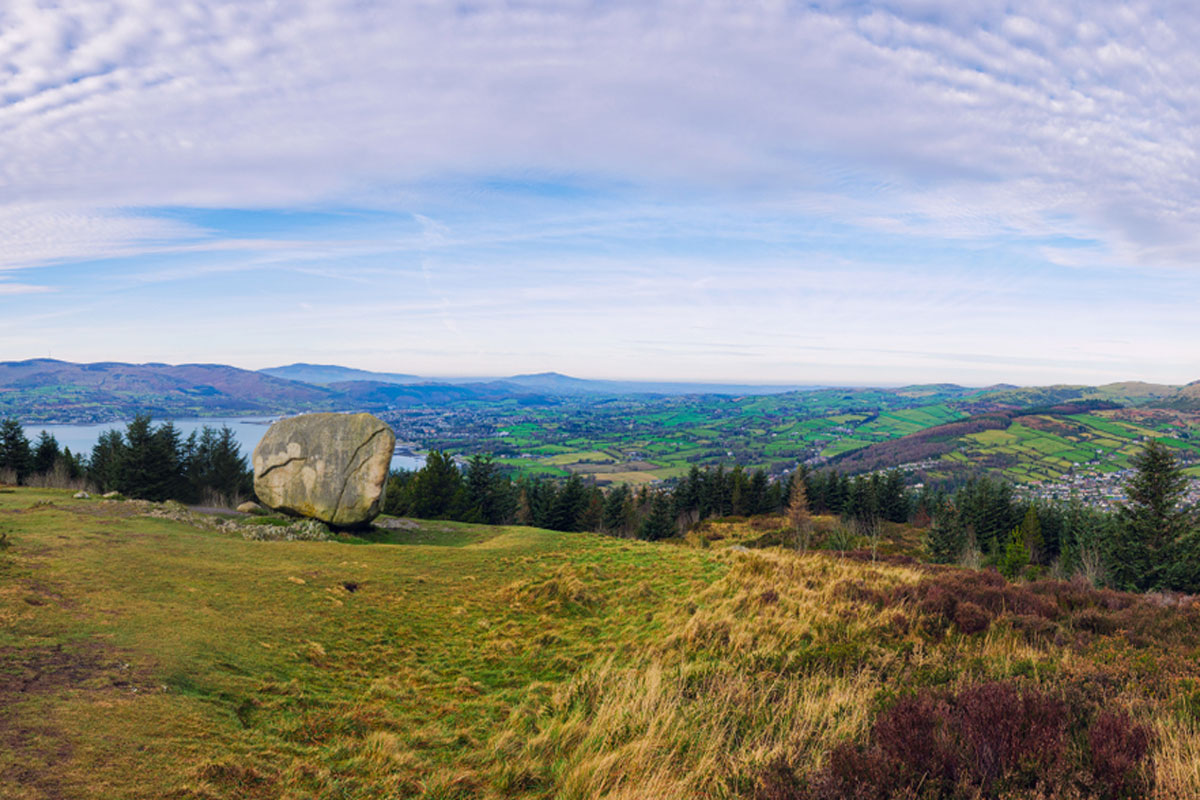
- Mourne Mountains – A stunning mountain range ideal for hiking, climbing, and scenic views.
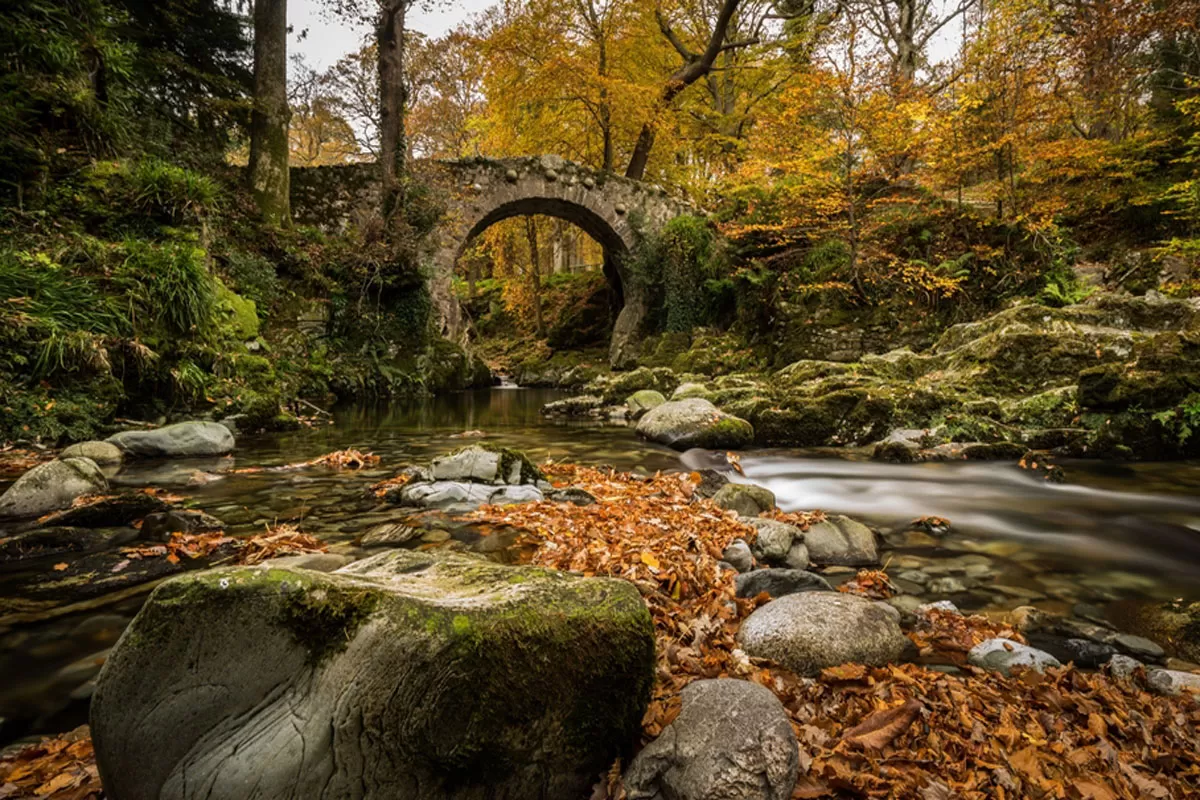
- Tollymore Forest Park – A beautiful forest with walking trails, rivers, and stone bridges, featured in “Game of Thrones.”
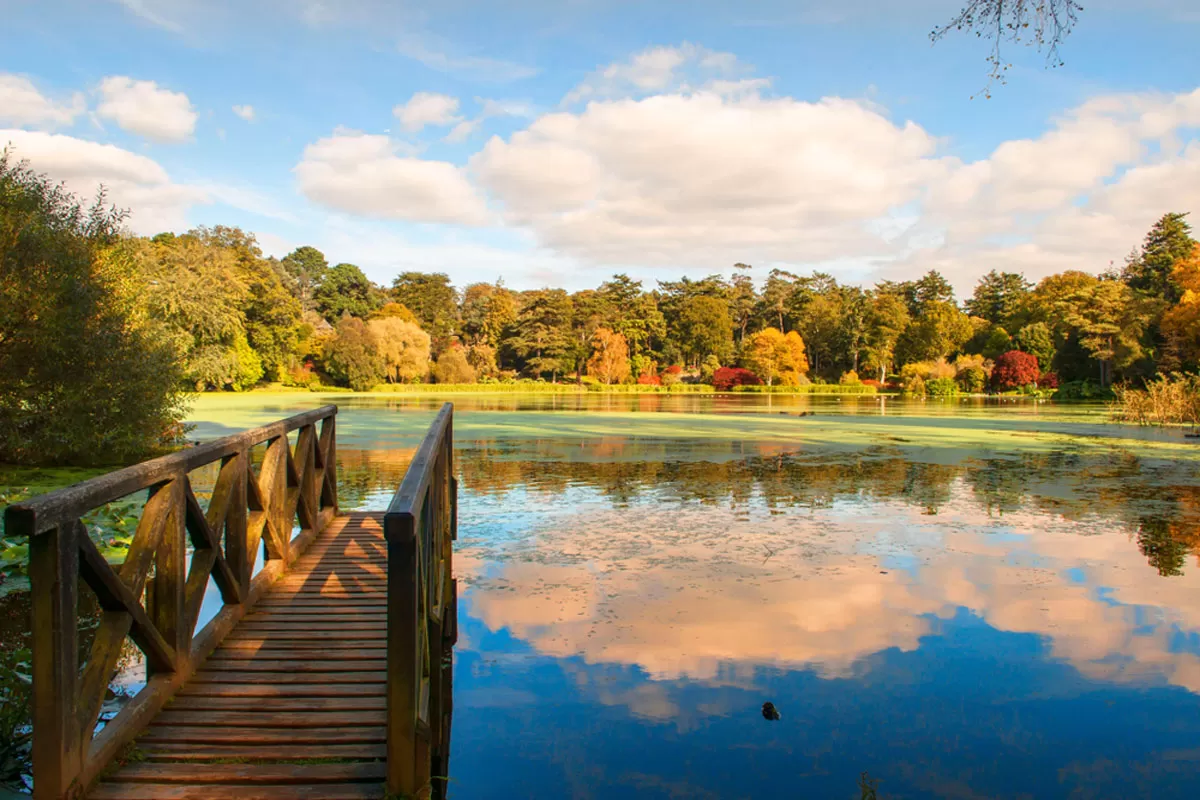
- Castlewellan Forest Park – Home to a lake, gardens, and one of the largest hedge mazes in Europe.
- Strangford Lough – A marine nature reserve perfect for kayaking, birdwatching, and exploring quaint villages.
- Silent Valley Reservoir – A serene spot surrounded by the Mournes, offering walking trails and picnic areas.
Historical and Cultural Sites
- Down Cathedral – The burial place of Saint Patrick, Ireland’s patron saint.
- Hillsborough Castle – The official residence of the British royal family in Northern Ireland, with stunning gardens.
- Mount Stewart – A grand 19th-century house with award-winning gardens.
- Scrabo Tower – A 19th-century tower offering panoramic views of the surrounding countryside.
- Bangor Abbey – An ancient monastic site with deep historical significance.
Coastal Attractions
- Crawfordsburn Country Park – A coastal park with beaches, forest trails, and a waterfall.
- Newcastle and Murlough Beach – A charming seaside town with a Blue Flag beach and nearby nature reserve.
- Portaferry and Exploris Aquarium – Explore marine life and enjoy views across Strangford Lough.
- Donaghadee Lighthouse – A picturesque coastal landmark with a charming harbor.
Scenic Drives and Villages
- Ards Peninsula – A scenic route with picturesque villages, historic sites, and beautiful coastal views.
- Hillsborough – A charming village with Georgian architecture and great dining options.
- Rostrevor – Nestled at the foot of the Mournes, known for its folklore and forest walks.
Unique Experiences
- Saint Patrick Centre – A modern exhibition dedicated to the life and legacy of Saint Patrick.
- Mourne Seafood Cookery School – Learn to cook with fresh, local seafood in Kilkeel.
- Seaforde Tropical Butterfly House – A tropical garden with exotic butterflies and birds.
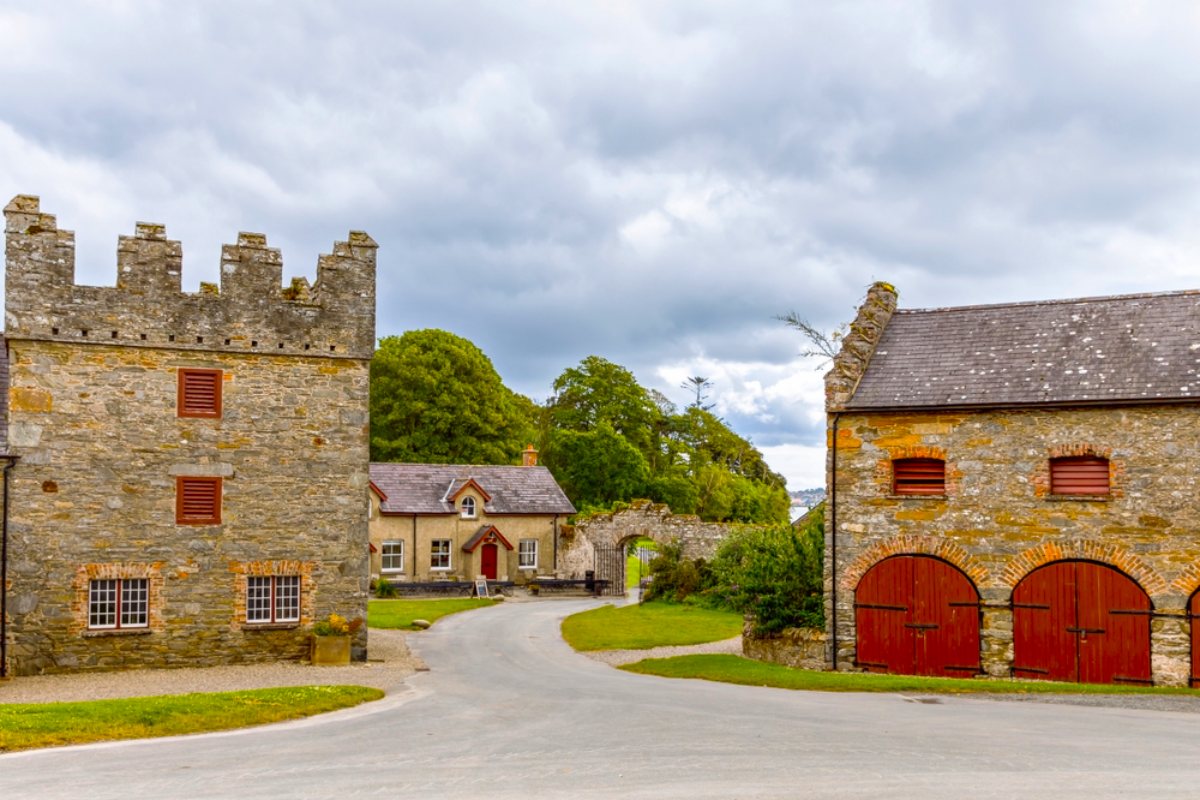
- Game of Thrones Filming Locations – Visit iconic sites from the series, including Winterfell at Castle Ward.
- Fishing and Angling – Enjoy world-class fishing opportunities in rivers, lakes, and along the coast.
County Down combines stunning landscapes, rich history, and unique attractions, offering something for every type of traveler.
Helpful Resources