


Table of Contents
- Introduction: A Hill of Myth and Majesty
- The History and Archaeology of Queen Maeve’s Cairn
- Walking the Trails: How to Experience Knocknarea
- Visitor Information and Travel Tips
- Legends and the Lasting Legacy of Queen Maeve
Introduction: A Hill of Myth and Majesty
Rising proudly above the coastal plain of County Sligo, Knocknarea is one of Ireland’s most iconic and mystical landmarks. Standing 327 meters high, this limestone hill dominates the surrounding landscape, offering breathtaking views over the Atlantic Ocean, Sligo Bay, and the rolling countryside of Yeats Country. But it is not just the scenery that draws visitors here – at its summit lies Queen Maeve’s Cairn, a massive Neolithic passage tomb steeped in Irish mythology.
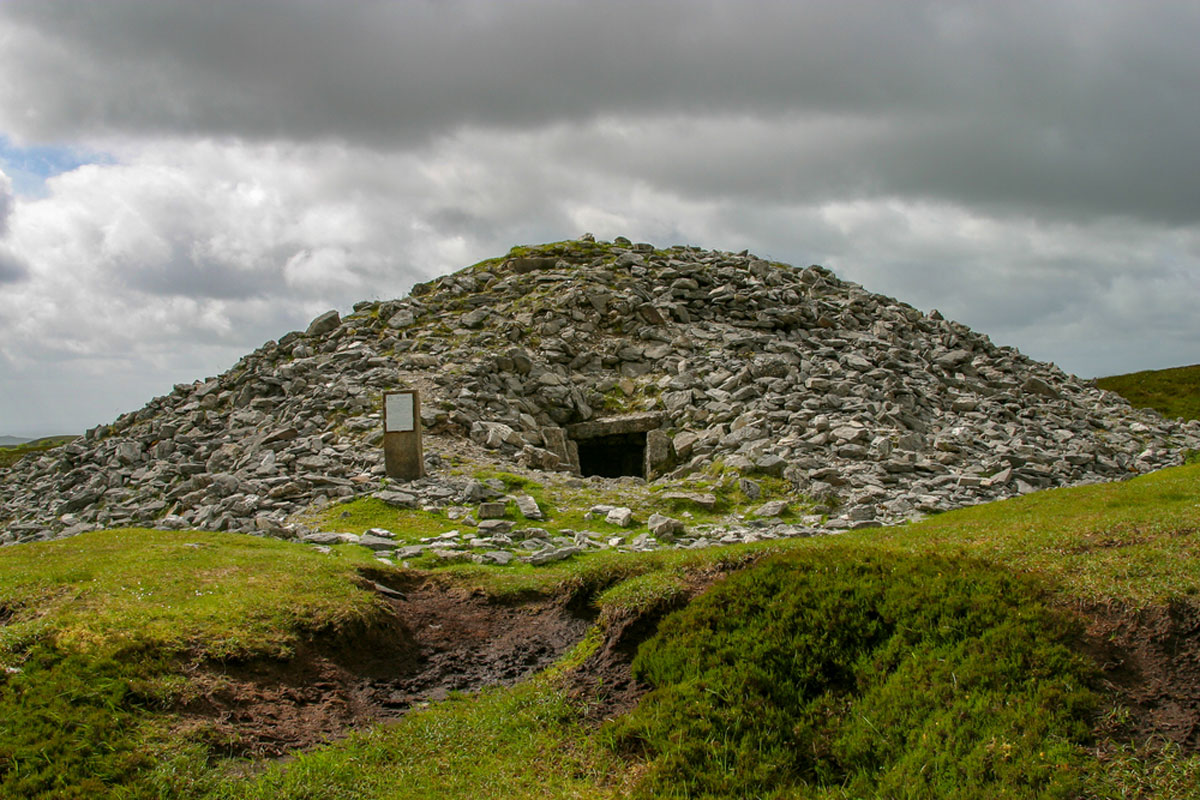
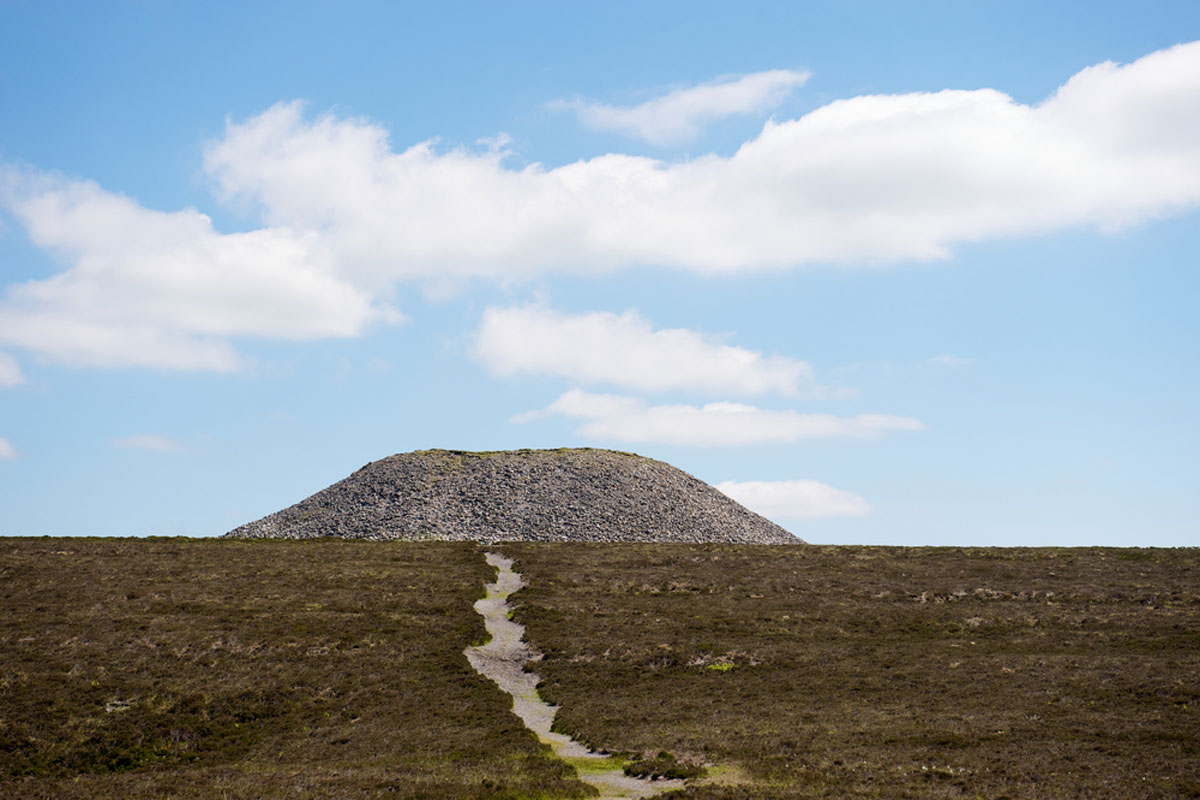
The cairn, visible from miles around, is one of the largest of its kind in Ireland, measuring almost 55 meters in diameter and 10 meters in height. According to legend, it is the final resting place of Queen Maeve (Medb), the legendary warrior queen of Connacht, famed for her commanding role in the epic saga Táin Bó Cúailnge (The Cattle Raid of Cooley). Whether myth or history, Maeve’s presence has made Knocknarea a site of enduring fascination, where archaeology and folklore intertwine seamlessly.
For centuries, Knocknarea has attracted not only scholars and archaeologists but also pilgrims, hikers, and those seeking a connection to Ireland’s mythic past. The climb to the summit is as rewarding spiritually as it is physically, with windswept panoramas and an atmosphere that seems suspended between the earthly and the otherworldly. As you ascend, you are retracing steps that countless generations have taken – from Neolithic builders more than 5,000 years ago to modern-day visitors captivated by its enduring mystery.
We will now explore the history and archaeology of the cairn, the legends that surround Queen Maeve, and the practical details for planning your own journey to Knocknarea. Whether you are drawn by its mythic aura, its dramatic scenery, or its cultural significance, Knocknarea offers one of the most memorable experiences in all of Ireland’s northwest.
The History and Archaeology of Queen Maeve’s Cairn
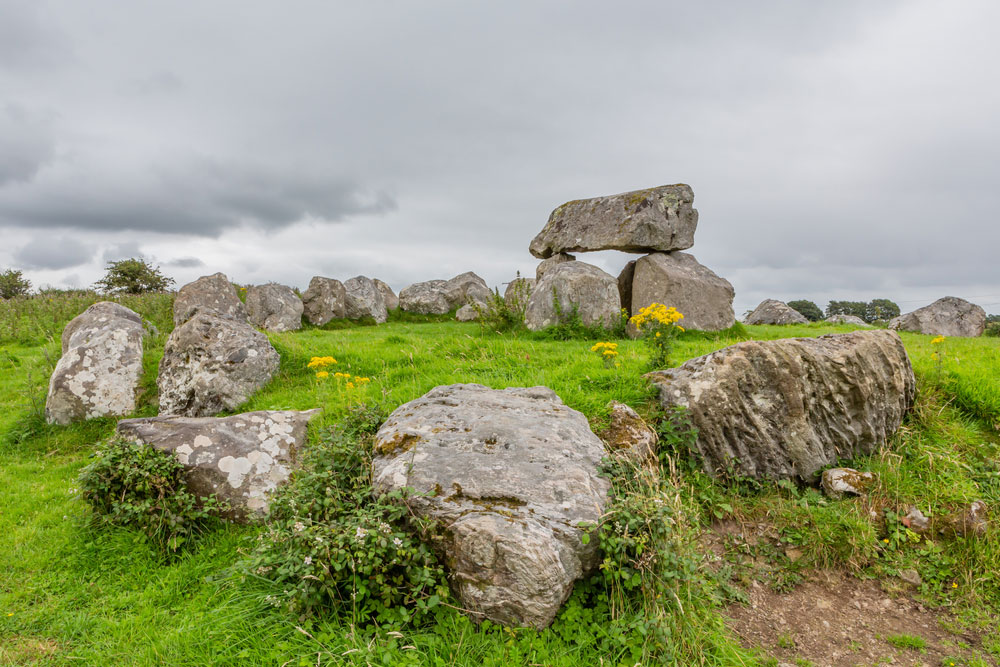
Queen Maeve’s Cairn on Knocknarea is not only a dramatic landmark but also one of Ireland’s most significant Neolithic monuments. Archaeologists date the cairn to around 3000 BCE, placing it in the same era as Newgrange in County Meath and Carrowmore, another megalithic cemetery located just a few kilometers away. This period marks a flourishing of passage tomb construction in Ireland, when communities built monumental burial sites aligned with ritual and cosmological significance.
The cairn itself is a huge stone mound, nearly 55 meters across and 10 meters high. What makes it especially remarkable is that it has never been excavated. Unlike other passage tombs that have revealed intricate carvings, chambered interiors, and cremated remains, the secrets of Maeve’s Cairn remain sealed beneath thousands of tons of limestone. This mystery adds to its allure, leaving archaeologists and visitors alike to wonder what might lie within – whether a burial chamber, offerings to the gods, or symbolic structures tied to solar or lunar alignments.
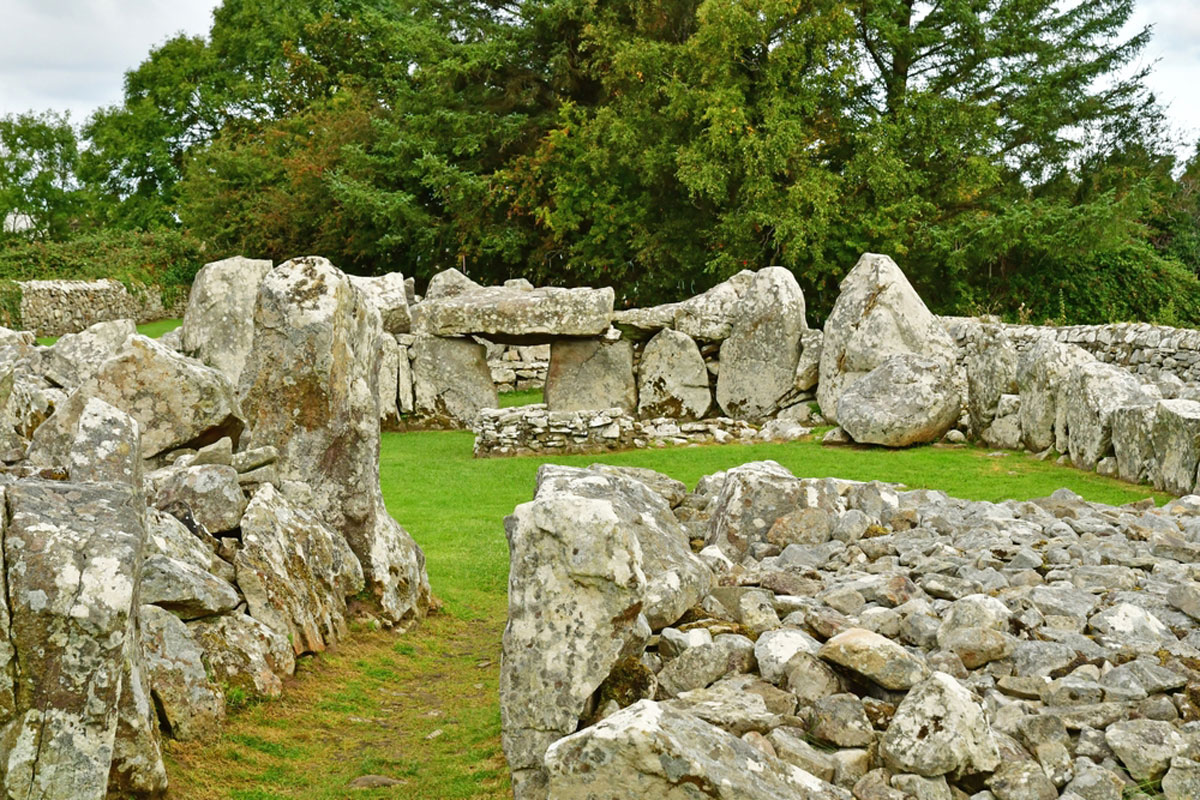
Surrounding the main cairn are smaller satellite tombs and megalithic structures scattered across the Knocknarea ridge. These sites suggest that the hill was part of a wider ritual landscape, possibly serving as a sacred gathering place for prehistoric communities. The prominence of the cairn, visible for miles in every direction, may have signaled both territorial power and spiritual significance, reinforcing the hill’s role as a sacred focal point in ancient times.
Later generations layered their own meanings onto Knocknarea. With the rise of Irish mythology, the cairn became associated with Queen Maeve of Connacht, the fiery ruler immortalized in the Ulster Cycle. While there is no archaeological evidence to confirm her burial here, the legend has been powerful enough to shape centuries of storytelling and cultural identity in the west of Ireland. The belief that Maeve is interred upright, spear in hand, facing her enemies in Ulster, gives the cairn a uniquely dramatic mythological dimension.
Today, Queen Maeve’s Cairn stands as both an archaeological treasure and a mythic symbol. It bridges the gap between prehistory and folklore, between the tangible achievements of Neolithic builders and the imaginative legacy of Ireland’s oral tradition. For visitors, this duality is part of the fascination – Knocknarea is not only a physical climb but also a journey into Ireland’s deep past and legendary heritage.
Walking the Trails: How to Experience Knocknarea
Climbing Knocknarea is one of the most rewarding outdoor experiences in County Sligo, combining invigorating exercise with unforgettable scenery and a sense of walking in the footsteps of history. There are two main trails to the summit, each offering a different perspective of the hill and its surroundings.
The most popular route begins at the Knocknarea Trailhead Car Park on the Strandhill side of the hill. This well-maintained path winds steadily upward, crossing wooden boardwalks and gravel sections designed to protect the fragile landscape. The ascent takes around 45–60 minutes depending on pace, with benches along the way to catch your breath and take in the views. As you climb, the Atlantic coast stretches out to the west, with Strandhill Beach and the rolling waves of Sligo Bay creating a dramatic backdrop.
The second route begins near the village of Culleenamore, on the eastern side of the hill. This trail is a little quieter, offering a gentler gradient and sweeping inland views across Lough Gill and Benbulben. Both routes converge near the summit, where the imposing bulk of Queen Maeve’s Cairn comes into view – a sight that never fails to impress first-time visitors.
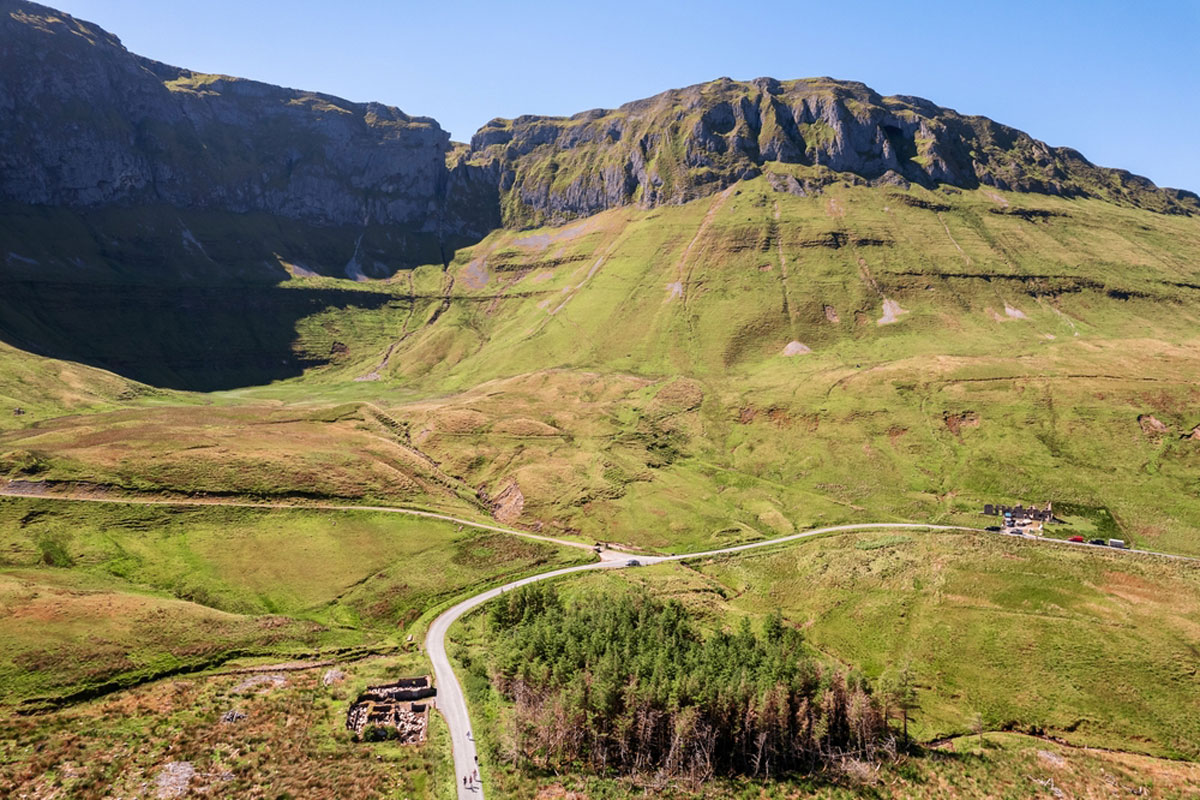
Once at the top, the panoramic views are breathtaking. To the north lies the iconic flat-topped mountain of Benbulben, to the east Lough Gill glimmers in the distance, and to the west the vast Atlantic Ocean stretches endlessly. On clear days, you can see as far as Donegal and Mayo. The summit plateau is windswept and exposed, so sturdy footwear and weather-appropriate clothing are highly recommended.
Visitors are asked to respect the cairn by not climbing on it or removing stones. In recent years, conservation efforts have stressed the importance of preserving the monument’s integrity for future generations. Instead, pause nearby to reflect on its scale and mystery, and enjoy the natural beauty that surrounds it. For many, the climb to Knocknarea is as much a spiritual journey as it is a physical one, a chance to connect with Ireland’s landscape and legends in a profound way.
Whether you choose the Strandhill or Culleenamore approach, the hike to Knocknarea is accessible, family-friendly, and suitable for most fitness levels. It is a must-do experience for anyone visiting Sligo, blending nature, history, and mythology into one unforgettable adventure.
Visitor Information and Travel Tips
Planning a trip to Knocknarea is straightforward, but a little preparation can make your visit even more enjoyable. Located just 7 kilometers from the town of Sligo, the hill is easily accessible by car, bus, or bicycle. Visitors usually approach from the seaside village of Strandhill, famous for its surfing beaches, seaweed baths, and vibrant food scene. Combining a climb up Knocknarea with a stop in Strandhill makes for a perfect day out along the Wild Atlantic Way.
There are two main car parks serving Knocknarea: one on the Strandhill side and another near the village of Culleenamore. Both provide access to well-marked trails. Parking is generally free, though spaces can fill up quickly during weekends and peak summer months, so arriving early is advised. Public buses from Sligo to Strandhill also stop near the trailhead, making Knocknarea accessible without a car.
The climb itself takes between 45 minutes and 1.5 hours depending on your chosen route and pace. While the trail is manageable for most fitness levels, the final stretch to the summit is steep and exposed. Comfortable footwear, layers for changing weather, and water are essentials. The summit can be windy, even on sunny days, so be prepared for cooler conditions at the top.
Knocknarea is open year-round and free to visit. However, as a site of archaeological and cultural importance, visitors are reminded to treat the cairn and surrounding environment with respect. Do not climb on Queen Maeve’s Cairn or remove stones from the site, as this damages the monument and undermines preservation efforts. Instead, take time to appreciate the view and reflect on the rich history embedded in the landscape.
Nearby amenities include cafes, restaurants, and shops in Strandhill, as well as accommodation options ranging from guesthouses and hotels to self-catering cottages. For those looking to extend their trip, the region offers other remarkable heritage sites, including Carrowmore Megalithic Cemetery, Drumcliffe (resting place of poet W.B. Yeats), and the striking Dartry Mountains.
Whether you are an avid hiker, a history enthusiast, or simply a traveler seeking a scenic viewpoint, Knocknarea is accessible, rewarding, and steeped in atmosphere. With a little planning, your visit will be a memorable highlight of your journey through County Sligo.
Legends and the Lasting Legacy of Queen Maeve
While Knocknarea is a striking archaeological site, it is the mythology surrounding Queen Maeve (Medb) that gives the hill its enduring aura of mystery. In Irish legend, Maeve was the warrior queen of Connacht, a larger-than-life figure renowned for her strength, cunning, and ambition. She is the central character in the epic saga Táin Bó Cúailnge (The Cattle Raid of Cooley), where she leads her armies in battle against Ulster in pursuit of a prized bull, symbolizing power and prestige.
According to tradition, Queen Maeve is buried upright within the cairn at the summit of Knocknarea, facing her enemies in Ulster with her spear in hand, ready to fight even in death. This dramatic image has captivated generations, blending Ireland’s mythic storytelling with the physical presence of the massive tomb. Though archaeologists cannot confirm the story, the legend has become inseparable from the landscape itself, transforming Knocknarea into both a monument of prehistory and a stage for myth.
Folklore tells that adding a stone to the cairn brings good luck, a custom that has persisted for centuries. However, modern conservation efforts discourage visitors from disturbing the mound, asking instead that people honor the site by respecting its structure and its heritage. The desire to leave an offering, though, reflects how deeply embedded Maeve’s legend remains in Irish cultural memory.
The hill and its queen have also inspired art, poetry, and literature. The great Irish poet W.B. Yeats, who drew much of his inspiration from Sligo’s landscape, referenced Maeve in his works, seeing her as both a mythical figure and a symbol of Ireland’s untamed spirit. Today, Knocknarea continues to fuel creativity, from local folklore festivals to modern storytelling, ensuring that Queen Maeve’s name endures.
For visitors, the legend of Queen Maeve adds a powerful layer to the experience of climbing Knocknarea. Standing at the summit, surrounded by sweeping views of sea and mountains, it is easy to imagine the queen’s indomitable presence still watching over Connacht. The cairn, whether tomb or symbol, remains a reminder of how myth and landscape in Ireland are forever intertwined, offering both history and imagination to all who make the climb.
Historical and Cultural Sites
- Carrowmore Megalithic Cemetery: One of the largest and oldest collections of ancient stone tombs in Europe.
- Lissadell House and Gardens: A historic estate linked to the Yeats family, featuring beautiful gardens and exhibitions.
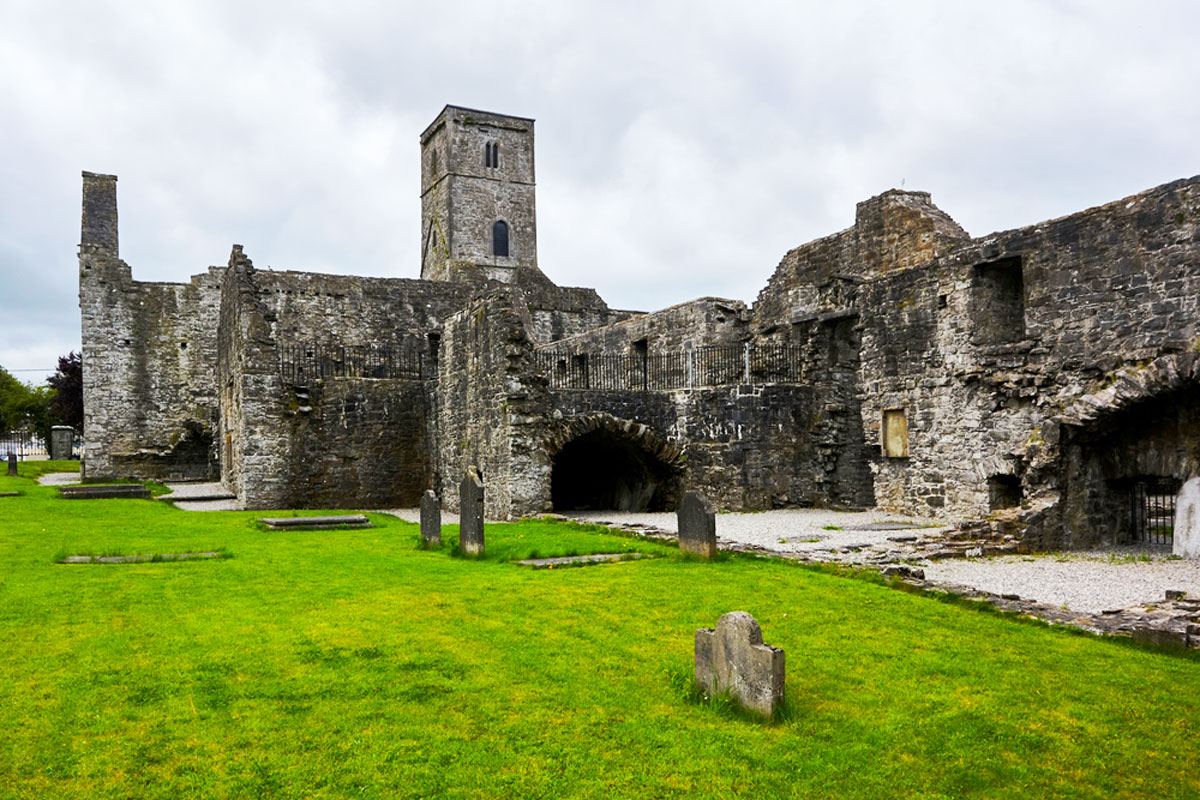
- Sligo Abbey: A well-preserved Dominican friary dating back to the 13th century.
- Drumcliffe Church and Graveyard: The final resting place of the poet W.B. Yeats, located beneath the majestic Benbulben.
Natural Attractions
- Benbulben Mountain: A striking table mountain and one of Ireland’s most iconic landmarks.
- Knocknarea Mountain: Home to Queen Maeve’s Cairn, an ancient stone tomb with panoramic views of Sligo Bay.
- Lough Gill: A serene lake surrounded by lush forests, celebrated in W.B. Yeats’ poetry.
- Strandhill Beach: A popular spot for surfing, beach walks, and stunning sunsets.
Scenic Drives and Villages
- Rosses Point: A charming seaside village with sandy beaches and coastal walks.
- Enniscrone: Known for its long sandy beach and seaweed baths.
- Tubbercurry: A vibrant town that hosts the annual South Sligo Summer Festival.
- Ballymote: A historic town featuring Ballymote Castle and the nearby Eagles Flying sanctuary.
- Easkey: A quaint village famous for its surfing and rugged coastline.
Lakes and Water Activities
- Lough Gill: Perfect for boat tours, kayaking, and exploring the Isle of Innisfree.
- Ballisodare Bay: A peaceful spot for birdwatching and coastal activities.
- Lough Talt: A tranquil lake nestled in the Ox Mountains, ideal for fishing and walking.
- Mullaghmore: Known for its sandy beaches, fishing, and big-wave surfing.
- Sligo Bay: Offers kayaking, paddleboarding, and opportunities to explore the Wild Atlantic Way.
Unique Experiences
- Yeats Trail: Explore sites associated with the life and works of W.B. Yeats, including his grave and Lough Gill.
- Voya Seaweed Baths, Strandhill: Indulge in a traditional Irish spa experience using natural seaweed.
- Eagles Flying, Ballymote: A sanctuary showcasing birds of prey with interactive flying displays.
- Surfing in Strandhill and Easkey: Renowned surf destinations for beginners and professionals alike.
County Sligo offers a unique blend of natural splendor, historical intrigue, and cultural richness. From the dramatic peaks of Benbulben to the tranquil shores of Lough Gill, Sligo is an inspiring and unforgettable destination for all travelers.
Helpful Resources