


Table of Contents
- Introduction: A Window into Ireland’s Neolithic Past
- History and Excavation: From Neolithic Builders to Modern Discovery
- Exploring the Monument: Court, Gallery, and Chambers
- Visitor Information: How to Get There, Access, and Nearby Sights
- Heritage and Significance: Creevykeel in the Sligo Landscape
A Window into Ireland’s Neolithic Past
Set just off the Wild Atlantic Way near the coastal village of Mullaghmore, Creevykeel Court Tomb is one of the best-preserved examples of a Neolithic court tomb in Ireland. Flanked by the dramatic backdrop of Benbulben and the Atlantic shoreline, this evocative monument invites visitors to step back more than five millennia, into a landscape shaped by early farming communities, ritual practice, and skilled stone construction.
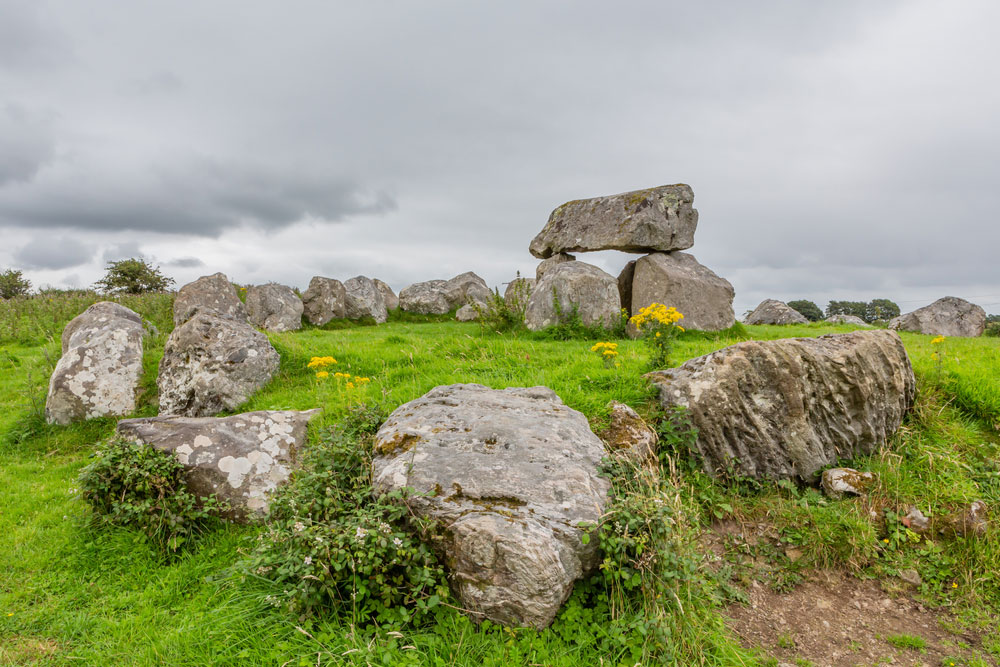
Court tombs are distinctive to Ireland and parts of western Britain, characterized by an open, oval or horseshoe-shaped forecourt leading into a stone-roofed gallery with one or more burial chambers. At Creevykeel, the plan is especially clear: a broad ceremonial forecourt focuses the approach to the monument, while the gallery’s aligned chambers speak to careful design, community effort, and enduring beliefs about ancestry and the afterlife.
Today, Creevykeel is celebrated not only for its state of preservation but also for its clarity of layout, making it an ideal site for first-time visitors to Ireland’s megalithic heritage. The surrounding area is rich in archaeology — from megalithic complexes to early Christian sites — but few places match Creevykeel for the way it brings the Neolithic world into sharp relief within a short, accessible walk from the roadside.
Whether you’re tracing the great stone monuments of Sligo, photographing the interplay of weathered limestone and shifting Atlantic light, or simply curious about the stories these stones still tell, Creevykeel offers a compelling introduction to Ireland’s deep past — all within minutes of Mullaghmore’s beaches, harbor views, and sea-cliff scenery.
History and Excavation: From Neolithic Builders to Modern Discovery
Archaeologists date Creevykeel Court Tomb to around 4000–3500 BC, during the Neolithic period when farming communities first established themselves across Ireland. These early settlers built monumental stone tombs not only as burial places but also as ceremonial centres that reinforced social bonds, honoured ancestors, and expressed a connection with the land. Court tombs like Creevykeel were typically communal in nature, used over many generations for rituals, feasting, and the burial of the dead.
The site first came to scholarly attention in the early 20th century. In 1935, the Harvard Archaeological Mission to Ireland carried out a major excavation here. Led by Hugh O’Neill Hencken, the dig revealed a wealth of information about the tomb’s construction, use, and later history. The team discovered cremated remains, fragments of pottery, polished stone axes, and other artefacts that illuminated the lives and beliefs of the people who built and used Creevykeel.
Excavation also showed that the monument had a long afterlife. During the Early Christian period, centuries after its original Neolithic use, the gallery was repurposed as a metalworking site. Evidence of iron smelting was uncovered, suggesting that the ancient tomb became a convenient shelter and workshop in later times. This reuse highlights how Ireland’s prehistoric monuments often remained part of the landscape and community memory, adapting to new cultural needs while preserving their monumental form.
Today, the site is under the care of the Office of Public Works (OPW) and is freely accessible to visitors year-round. Thanks to the 1930s excavation and subsequent conservation work, the plan of the tomb is clearly visible, making it one of the most instructive and evocative examples of its type in the country.
Exploring the Monument: Court, Gallery, and Chambers
One of the reasons Creevykeel Court Tomb is so popular with visitors is the clarity of its design. The monument’s plan is remarkably well preserved, allowing anyone walking through it today to appreciate how Neolithic people conceived and constructed their ritual spaces. Standing within the site, you can easily imagine the ceremonies that once took place here, framed by massive stones and the backdrop of Sligo’s rugged mountains.
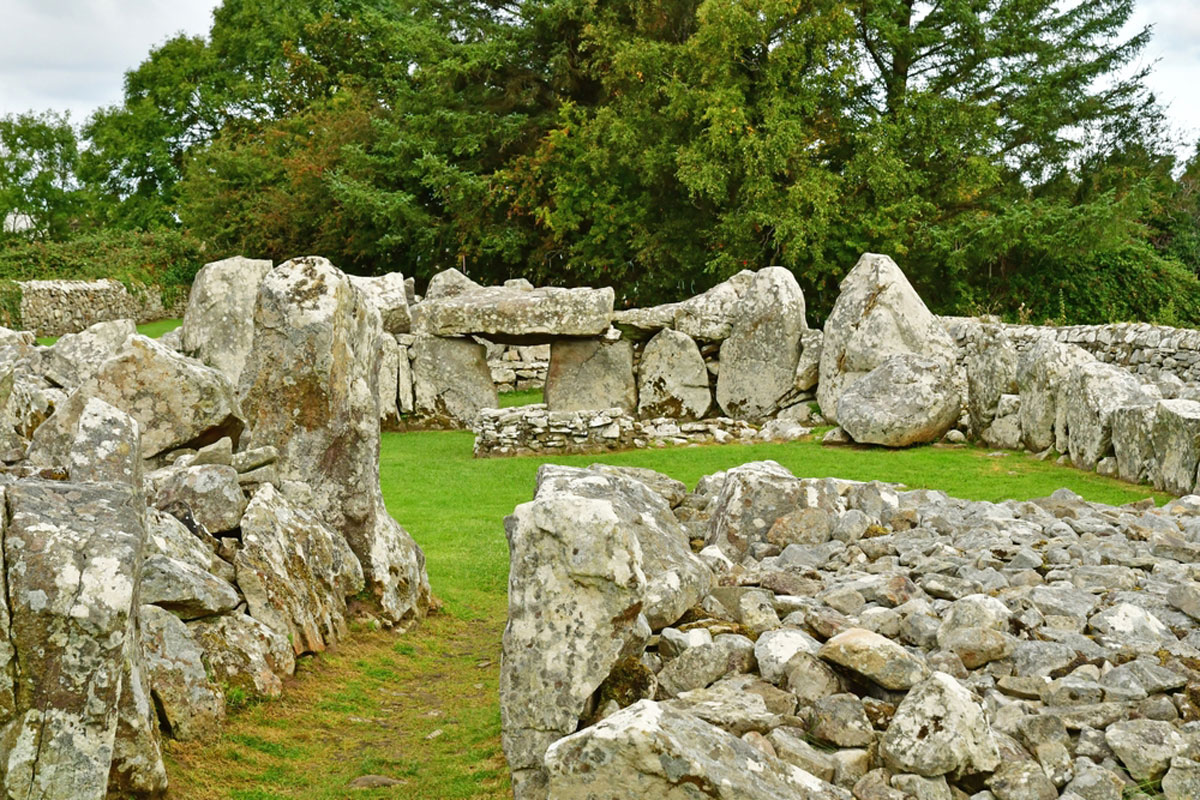
The most striking feature is the large, open forecourt, a roughly oval space defined by great uprights. This area would have been the focal point for gatherings, rituals, and possibly feasts, with its wide shape inviting groups of people to assemble before entering the tomb proper. From here, a narrow entrance leads directly into the stone-built gallery.
The gallery itself is divided into two main chambers, constructed from upright slabs and once roofed with large lintels. These chambers were used for burials, with cremated remains and grave goods placed inside. The careful arrangement of the chambers suggests a strong ritual dimension, where the act of entering the gallery marked a transition from the open, communal space of the court into the more sacred and enclosed world of the ancestors.
Beyond the main chambers lies a series of smaller subsidiary spaces and later additions, evidence of how the tomb evolved over time. The surrounding cairn of stones, which once covered the chambers, can still be traced, giving a sense of the monument’s original bulk and imposing presence on the landscape.
Today, visitors are free to walk through the forecourt, enter the gallery, and explore the chambers. There is no entry fee, and the site is open year-round, making it an ideal stop for anyone interested in prehistoric Ireland. Whether you are an archaeology enthusiast or simply curious, Creevykeel’s layout offers a hands-on way to connect with the Neolithic world.
Visitor Information: How to Get There, Access, and Nearby Sights
Reaching Creevykeel Court Tomb is straightforward, making it one of the most accessible megalithic monuments in Ireland. The tomb lies just off the N15 road between Sligo town and Bundoran, a short distance from the picturesque seaside village of Mullaghmore. Clear brown heritage signs mark the turnoff, and there is a small car park adjacent to the site, ensuring easy access for visitors of all ages.
Unlike many remote tombs, Creevykeel sits in an open field close to the roadside. A short walk of only a few metres brings you directly into the forecourt, making it a convenient stop for families, tour groups, or independent travellers exploring the Wild Atlantic Way. There is no admission fee, and the site is managed by the Office of Public Works (OPW), who maintain the paths and interpretive signage.
Facilities on-site are limited, so visitors should plan ahead. The nearest cafés, shops, and restaurants are found in Mullaghmore or nearby Grange village, both only a few minutes’ drive away. Mullaghmore itself is worth exploring, with its sandy beach, lively harbour, and views of the imposing Classiebawn Castle set against Benbulben’s backdrop.
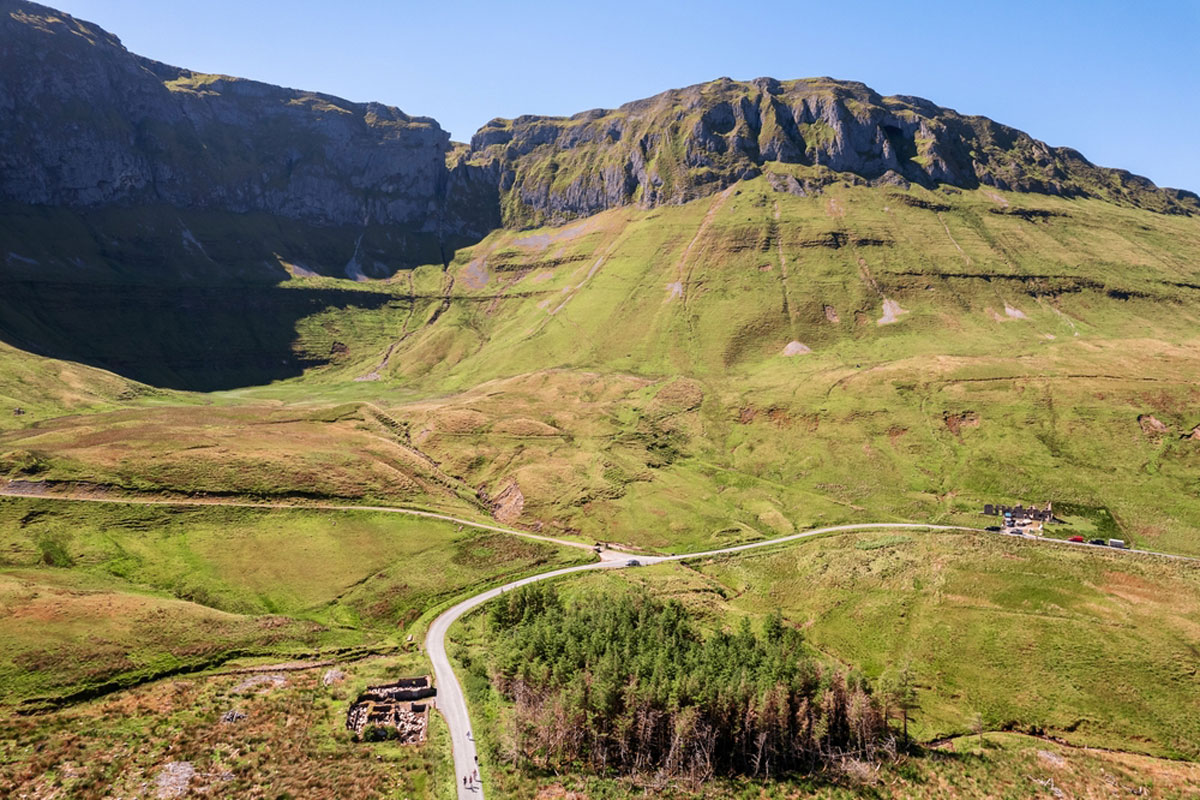
For those with more time, the surrounding area is rich in heritage attractions. Highlights include the Gleniff Horseshoe scenic drive, Drumcliffe Church with its High Cross and association with poet W.B. Yeats, and the spectacular cliffs of Slieve League further north. Combining Creevykeel with these sites makes for a rewarding day trip through some of Ireland’s most dramatic landscapes.
Whether as a quick stop or part of a longer itinerary, Creevykeel’s combination of accessibility, preservation, and striking setting makes it a highlight of any journey through County Sligo.
Heritage and Significance: Creevykeel in the Sligo Landscape
Creevykeel is more than just a well-preserved monument — it is part of a wider story of Neolithic Ireland. County Sligo is one of the richest areas in Europe for megalithic remains, with monuments like Carrowmore, Carrowkeel, and Knocknarea forming vast ritual landscapes. Within this setting, Creevykeel stands out for its accessibility and the clarity of its form, offering a direct encounter with the people who built Ireland’s first great stone architecture.
The tomb also illustrates how Ireland’s ancient monuments were not static, but living places in the landscape. The reuse of Creevykeel in the Early Christian era as a metalworking site shows how succeeding generations continued to find meaning and utility in these spaces. Even today, the site remains a touchstone for locals and visitors, drawing people into conversation with the past.
For heritage enthusiasts, Creevykeel is a reminder of the ingenuity and community effort required to build such a structure without modern tools. For casual visitors, it provides a tangible and atmospheric link to Ireland’s earliest farmers, whose beliefs and skills are written in stone across the Sligo countryside. Its enduring presence, framed by the mountains and Atlantic shore, makes it one of the most evocative places in the northwest.
In a county celebrated for its poetry, myth, and legend, Creevykeel offers a grounded sense of history. Standing in its forecourt, with Benbulben looming in the distance, visitors can feel both the mystery of the Neolithic world and the continuity of human presence in this landscape. It is this blend of ancient ritual, natural beauty, and cultural memory that ensures Creevykeel’s lasting appeal.
Historical and Cultural Sites
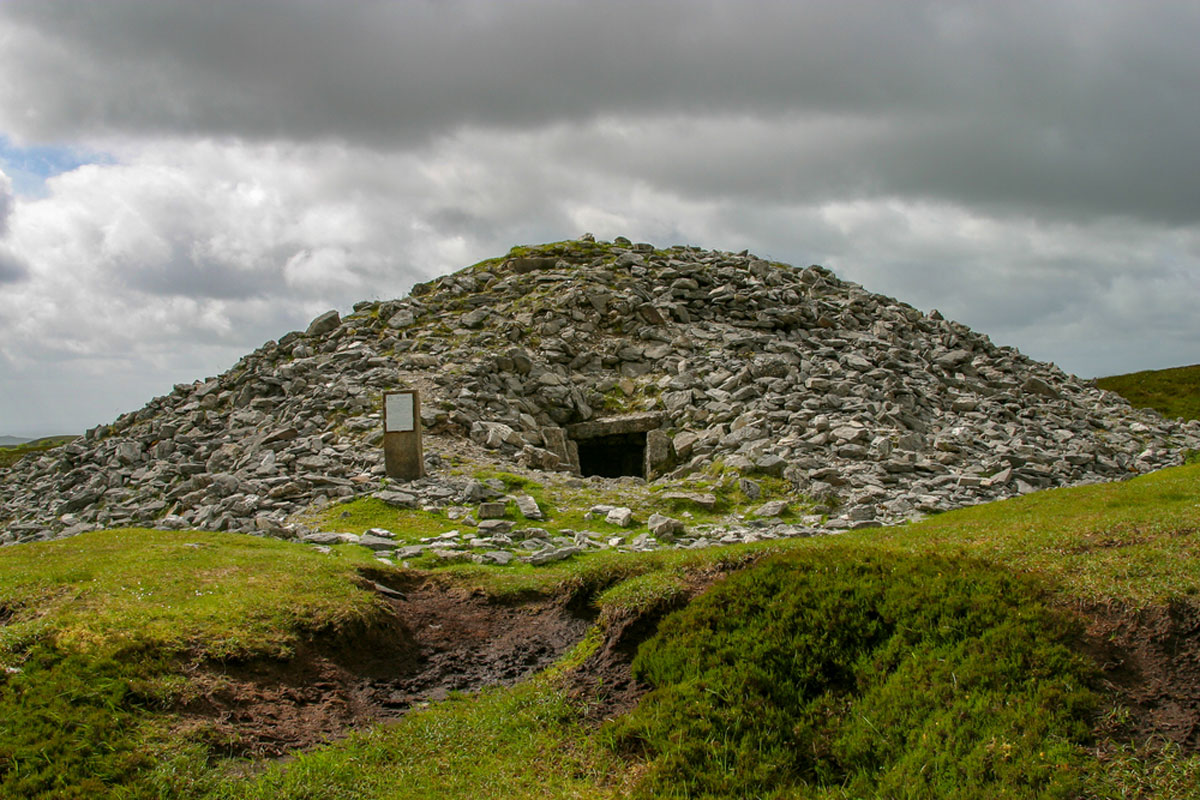
- Carrowmore Megalithic Cemetery: One of the largest and oldest collections of ancient stone tombs in Europe.
- Lissadell House and Gardens: A historic estate linked to the Yeats family, featuring beautiful gardens and exhibitions.
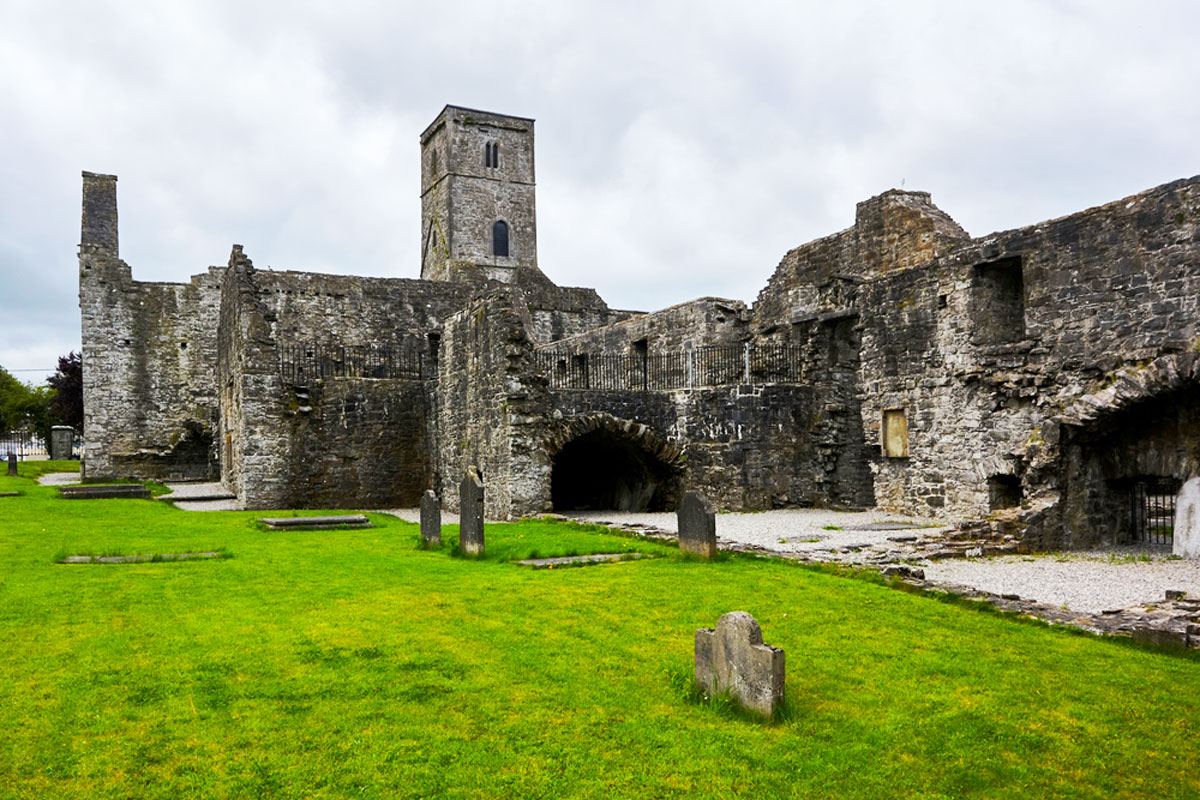
- Sligo Abbey: A well-preserved Dominican friary dating back to the 13th century.
- Drumcliffe Church and Graveyard: The final resting place of the poet W.B. Yeats, located beneath the majestic Benbulben.
Natural Attractions
- Benbulben Mountain: A striking table mountain and one of Ireland’s most iconic landmarks.
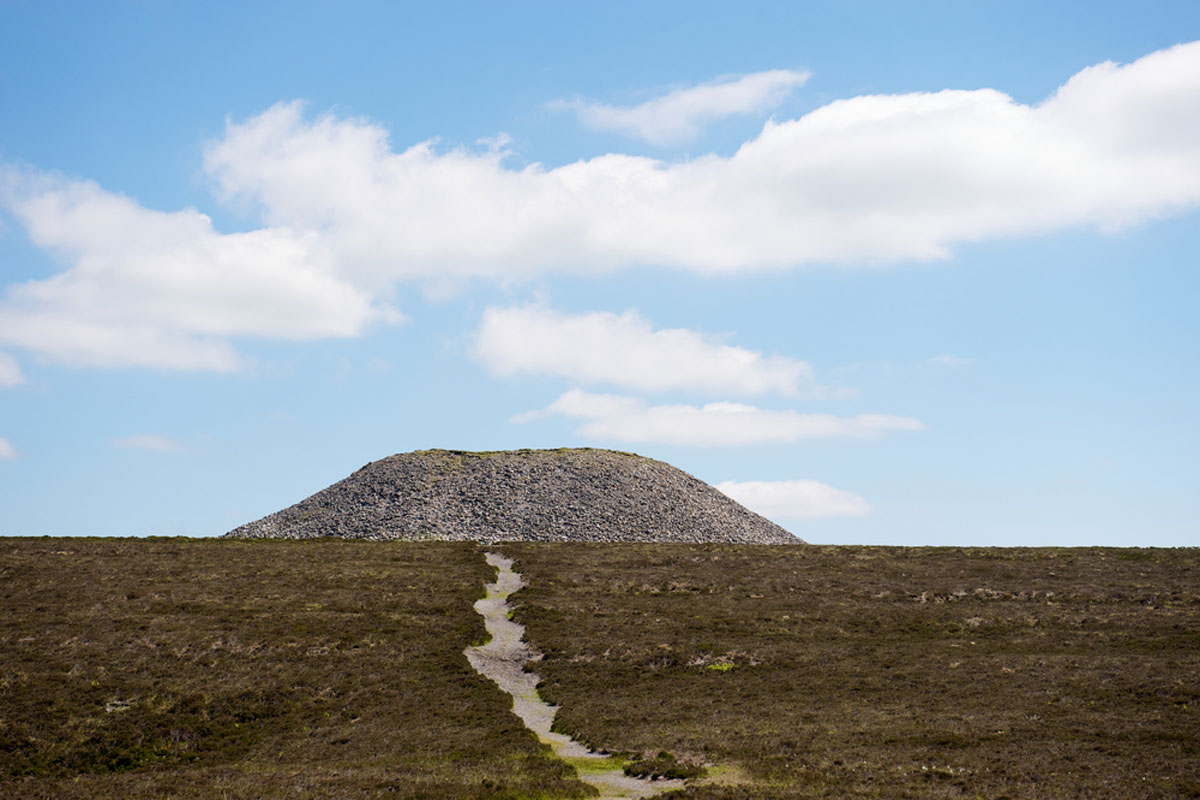
- Knocknarea Mountain: Home to Queen Maeve’s Cairn, an ancient stone tomb with panoramic views of Sligo Bay.
- Lough Gill: A serene lake surrounded by lush forests, celebrated in W.B. Yeats’ poetry.
- Strandhill Beach: A popular spot for surfing, beach walks, and stunning sunsets.
Scenic Drives and Villages
- Rosses Point: A charming seaside village with sandy beaches and coastal walks.
- Enniscrone: Known for its long sandy beach and seaweed baths.
- Tubbercurry: A vibrant town that hosts the annual South Sligo Summer Festival.
- Ballymote: A historic town featuring Ballymote Castle and the nearby Eagles Flying sanctuary.
- Easkey: A quaint village famous for its surfing and rugged coastline.
Lakes and Water Activities
- Lough Gill: Perfect for boat tours, kayaking, and exploring the Isle of Innisfree.
- Ballisodare Bay: A peaceful spot for birdwatching and coastal activities.
- Lough Talt: A tranquil lake nestled in the Ox Mountains, ideal for fishing and walking.
- Mullaghmore: Known for its sandy beaches, fishing, and big-wave surfing.
- Sligo Bay: Offers kayaking, paddleboarding, and opportunities to explore the Wild Atlantic Way.
Unique Experiences
- Yeats Trail: Explore sites associated with the life and works of W.B. Yeats, including his grave and Lough Gill.
- Voya Seaweed Baths, Strandhill: Indulge in a traditional Irish spa experience using natural seaweed.
- Eagles Flying, Ballymote: A sanctuary showcasing birds of prey with interactive flying displays.
- Surfing in Strandhill and Easkey: Renowned surf destinations for beginners and professionals alike.
County Sligo offers a unique blend of natural splendor, historical intrigue, and cultural richness. From the dramatic peaks of Benbulben to the tranquil shores of Lough Gill, Sligo is an inspiring and unforgettable destination for all travelers.
Helpful Resources