


Table of Contents
- Introduction to the Bray Head Cliff Walk
- Route Overview: From Bray to Greystones
- Scenic Highlights Along the Trail
- History and Heritage of Bray Head
- Tips for Walkers and Useful Information
Introduction to the Bray Head Cliff Walk
Nestled along Ireland’s picturesque eastern coastline, the Bray Head Cliff Walk is a beloved hiking route that draws locals and tourists alike. Stretching between the seaside towns of Bray and Greystones in County Wicklow, this coastal path offers an invigorating outdoor experience complete with panoramic sea views, rich biodiversity, and a chance to witness Ireland’s natural beauty up close.
This scenic trail is one of the most accessible and rewarding walks in the region. Whether you’re a seasoned hiker or a casual stroller, the Bray Head Cliff Walk offers something for everyone—lush greenery, rugged cliffs, and stunning vantage points over Dublin Bay and the Wicklow Mountains. The walk is especially popular on clear days, when the view across the Irish Sea stretches all the way to Wales.
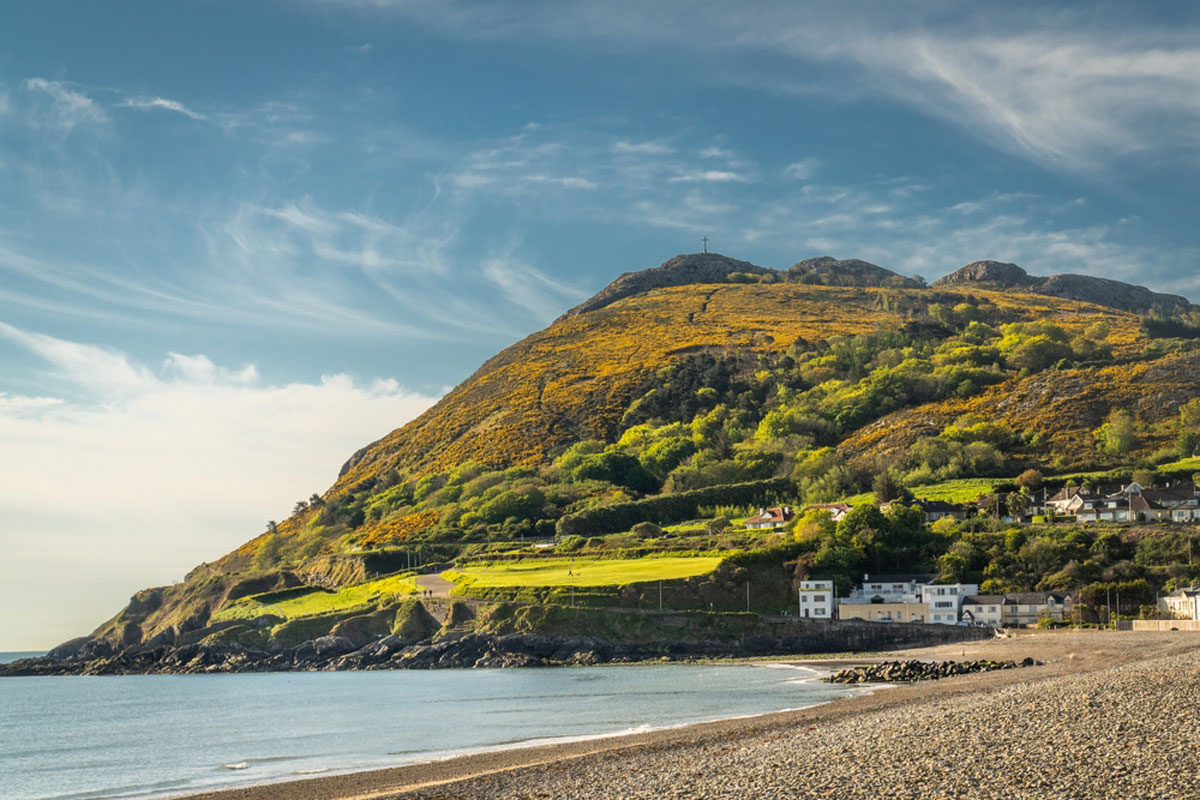
Bray Head itself is an iconic hill rising above the town, topped by a concrete cross that offers a challenging yet worthwhile climb. While the summit route is steeper, the cliff walk below it is more moderate, meandering along the coastline with constant sea views and plenty of photo opportunities. Combined, these two routes make Bray a top destination for outdoor adventure in Ireland’s Ancient East.
Route Overview: From Bray to Greystones
The Bray to Greystones Cliff Walk spans approximately 7 kilometers (just over 4 miles) along a scenic, well-trodden path that hugs the cliffs of the Irish Sea. The route takes most walkers between 1.5 to 2 hours to complete, depending on pace and stops. It is a linear walk, so you can begin in either direction—starting in Bray and ending in Greystones, or vice versa.
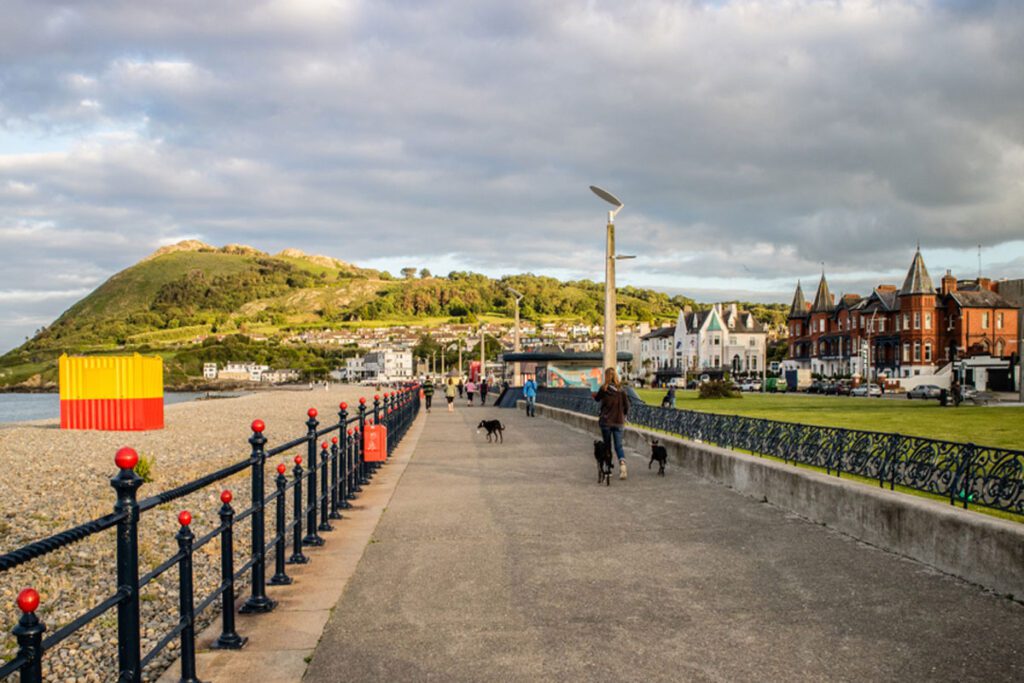
Starting from Bray: Most visitors begin their walk from the Bray seafront, a lively promenade lined with cafes, Victorian architecture, and the pebbly Bray Beach. The trailhead begins at the southern end of the promenade near the Bray Head Hotel and follows a gravel path that gradually ascends along the cliffs. Within minutes, you’re rewarded with sweeping views of the coast and Bray’s horseshoe-shaped bay.
The Middle Section: As you follow the path along the cliffs, you’ll walk parallel to the DART railway line that runs through the cliffs in a series of dramatic tunnels. Wildflowers bloom along the edges in spring and summer, and seabirds frequently soar overhead. Benches are scattered along the route, offering perfect rest spots to soak in the views or enjoy a snack. This middle section is relatively flat and easy underfoot, though some areas can become muddy after rain.
Approaching Greystones: Nearing Greystones, the path gently descends into the town, revealing more sea vistas and, eventually, a view of Greystones Harbour. As you finish the trail, you’ll find yourself just steps from coffee shops, restaurants, and the DART station, making it easy to return to Bray by train if you don’t wish to walk back.
Elevation and Terrain: The cliff walk features gradual inclines and declines but is generally rated as an easy to moderate hike. It is not suitable for strollers or wheelchairs due to the uneven gravel surface and narrow sections. Good walking shoes are highly recommended, and weather-appropriate gear is essential as sea mist and wind can appear unexpectedly.
Trail Options: Some hikers opt to take a more challenging detour to the summit of Bray Head itself, which rises 241 meters above sea level. This steep ascent offers a more strenuous hike and culminates at the Bray Head Cross with one of the most iconic coastal views in Ireland. You can also combine the summit loop with the cliff walk for a full half-day adventure.
Whether you’re there for a morning walk or an afternoon hike, the Bray Head Cliff Walk delivers a rewarding journey through one of Ireland’s most scenic coastal corridors.
Scenic Highlights Along the Trail
The Bray Head Cliff Walk isn’t just a route—it’s a journey through some of Ireland’s most stunning coastal scenery. As you walk along the trail, you’ll encounter a series of natural and man-made highlights that make this hike memorable for all the right reasons. Here are some of the most noteworthy sights to watch for along the way:
1. The View from Bray Seafront
Your adventure begins with the sweeping panorama of Bray Seafront, backed by the Dublin and Wicklow Mountains. On sunny days, the beach sparkles with activity, and the curve of the bay is especially striking when viewed from the start of the walk. It’s the perfect place to snap a “before” photo of your hike.
2. Bray Head and the Summit Cross
Though not technically part of the cliff walk, the optional ascent to the summit of Bray Head is a major draw. The trail up the hill splits off near the beginning of the cliff walk and leads to the iconic Bray Head Cross, a concrete monument erected in 1950. From the top, you’ll enjoy a 360-degree view: the Wicklow Mountains to the west, the Irish Sea to the east, and both Bray and Greystones flanking the coastline.
3. The Cliffside Railway
Running just below the walking path is the Dublin Area Rapid Transit (DART) railway, which hugs the cliffs through a series of tunnels carved directly into the rock. Watching the trains curve along the cliffside is a unique sight and adds a bit of drama and historical interest—the line has been in use since the 1850s and is considered an engineering marvel of its time.
4. Wildflowers and Coastal Wildlife
Spring and early summer bring bursts of colour to the trail as wildflowers bloom along the cliff edges. Expect to see sea thrift, gorse, heather, and purple loosestrife among others. Birdwatchers will enjoy spotting gulls, gannets, and even peregrine falcons. Occasionally, lucky walkers may catch sight of seals or dolphins playing in the waters below.
5. Panoramic Lookouts
Several natural viewpoints along the trail provide stunning photo opportunities. On clear days, you can see Dublin Bay to the north, the Wicklow Mountains stretching inland, and Greystones opening up in the distance. Sunset hikes are especially magical, casting the landscape in golden hues.
6. Greystones Harbour and Beach
As you near the end of the trail, the neat and modern Greystones Harbour comes into view. With its marina, beach, and vibrant café culture, Greystones is a welcoming end-point to your walk. Many hikers reward themselves with a treat from one of the local bakeries or restaurants near the harbour before catching the DART back to Bray.
Whether you’re in it for the exercise, the photos, or simply the fresh sea air, the Bray Head Cliff Walk offers an unforgettable collection of scenic moments that capture the spirit of Ireland’s east coast.
History and Heritage of Bray Head
The Bray Head Cliff Walk isn’t just a feast for the senses—it’s a journey through centuries of Irish history and heritage. From ancient pathways to wartime watchpoints, this stretch of coastline has long held strategic, spiritual, and cultural importance. As you walk the trail, you’re quite literally following in the footsteps of those who came before.
Early Paths and Pilgrimages
Bray Head itself is steeped in early Christian and medieval history. The headland may have been a site of spiritual significance for early monastic communities, particularly given its elevated position and commanding views of the surrounding region. The summit has long been a destination for pilgrims and locals seeking solitude or prayer.
The Bray Head Cross
Atop the summit stands the well-known Bray Head Cross, a concrete cross erected in 1950 during Ireland’s Holy Year. The cross quickly became a symbol of the town and a beloved landmark. Each Good Friday, it attracts hundreds of walkers for a traditional pilgrimage up the hillside—some for religious reasons, others for the exercise and community spirit.
Victorian Tourism and the Railway
The area’s popularity grew dramatically in the 19th century with the arrival of the Dublin to Bray railway line, part of the expansion of Victorian-era tourism. The cliff-hugging railway, completed in 1855, was a triumph of engineering and opened up Bray as a fashionable seaside resort. Grand hotels, such as the Bray Head Hotel, were built to accommodate the influx of Dubliners seeking sea air and scenic views.
Military and Maritime Lookouts
During both World Wars, the high cliffs served as a natural lookout point for monitoring sea traffic along the Irish coast. Remnants of old stone huts and lookout stations can still be seen in parts of the area, especially near the summit and along higher cliffside trails. These served as vantage points to spot enemy ships or submarines and were part of Ireland’s coastal defense system, especially during World War II, when Ireland remained neutral but vigilant.
Modern-Day Significance
Today, the cliff walk represents a blend of natural wonder and living heritage. It continues to draw artists, poets, and photographers inspired by its beauty. Locals use it as a daily escape, while visitors from around the world come to experience its charm. It remains one of Wicklow’s most iconic walking routes and a point of pride for both Bray and Greystones.
Understanding the layered history of the Bray Head Cliff Walk adds depth to your journey. It’s not just about the destination—it’s about walking a path shaped by generations, from monks and pilgrims to tourists and trailblazers.
Tips for Walkers and Useful Information
To make the most of your visit to the Bray Head Cliff Walk, it helps to come prepared. Whether you’re tackling the trail on a sunny summer afternoon or a crisp autumn morning, here are some practical tips and useful information to ensure a safe and enjoyable hike:
Best Time to Go
- Spring to early autumn is ideal for pleasant weather and blooming wildflowers.
- Early mornings or weekdays tend to be quieter, especially during the summer months.
- Check the forecast before heading out—strong winds and rain can make the trail slippery and limit visibility.
What to Wear and Bring
- Wear comfortable walking shoes or hiking boots with good grip.
- Bring a light waterproof jacket and layers in case of changing weather conditions.
- Carry water, snacks, and sun protection—there are no shops directly on the trail.
- Don’t forget your camera or phone—the views are photo-worthy throughout.
Facilities and Accessibility
- Public toilets are available at Bray Seafront and in Greystones town centre.
- The trail is not suitable for wheelchairs or strollers due to uneven and narrow sections.
- There are benches placed intermittently along the path for rest stops.
Transport and Parking
- DART trains run regularly between Bray and Greystones, making it easy to walk one way and return by train.
- Both towns have pay-and-display car parks near the seafront areas.
- Allow time to explore either town before or after your walk—each has a charming mix of cafes, shops, and sea views.
Trail Safety
- Keep to the designated path—some cliff edges are steep and unguarded.
- Avoid the trail during storms or very wet weather, as sections can become muddy or unstable.
- Inform someone of your route if walking solo, especially if taking the summit path.
Local Tip
For a perfect end to your hike, grab a hot coffee or ice cream in Greystones, or treat yourself to a meal at one of the town’s well-reviewed restaurants such as The Happy Pear or Buoy Kitchen. It’s the ideal way to relax after your coastal adventure.
Conclusion: A Coastal Walk Worth Exploring
The Bray Head Cliff Walk is more than just a path—it’s an experience. With its dramatic views, rich history, and accessible trail, it’s easy to see why this walk remains one of Ireland’s most beloved coastal hikes. Whether you’re visiting for the first time or returning to relive the magic, this stunning stretch between Bray and Greystones promises breathtaking scenery and unforgettable moments every step of the way.
County Wicklow, known as the “Garden of Ireland,” is celebrated for its breathtaking landscapes, rich heritage, and outdoor adventures. Here’s a guide to its most notable tourist attractions:
Historical and Cultural Sites
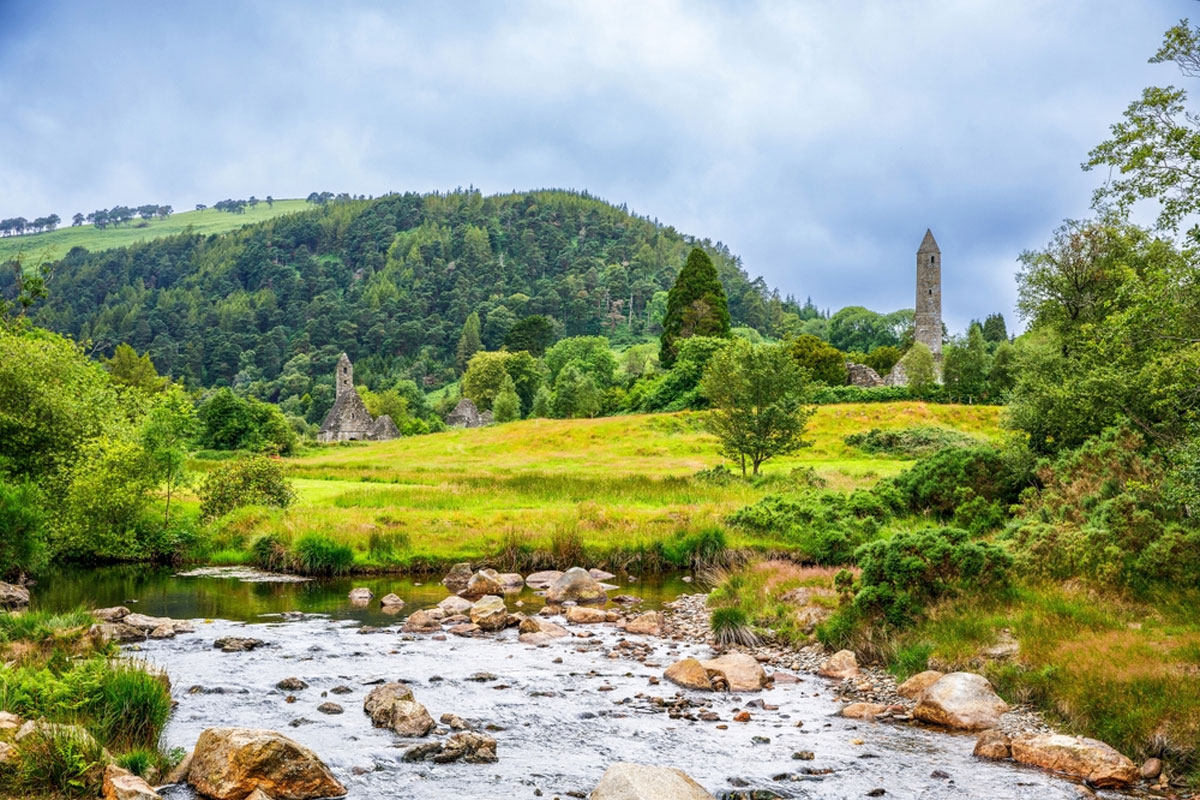
- Glendalough Monastic Site: A stunning early medieval settlement nestled in the Wicklow Mountains, featuring round towers, churches, and scenic lakes.
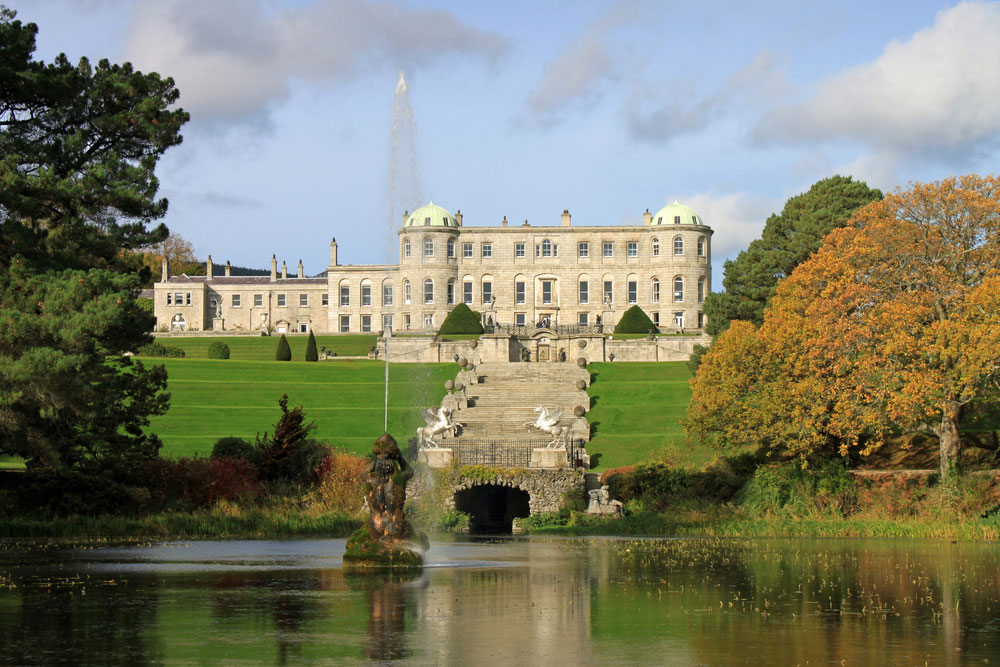
- Powerscourt Estate and Gardens: A magnificent estate with one of the world’s top gardens, a waterfall, and a historic house.
- Russborough House: A Palladian mansion housing art collections, maze gardens, and cultural exhibitions.
- Avondale House and Forest Park: The birthplace of Charles Stewart Parnell, set within a lush forest park with walking trails.
- Wicklow Gaol: A historic jail turned museum, offering an immersive look into Ireland’s penal history.
Natural Attractions
- Wicklow Mountains National Park: A vast expanse of rugged mountains, glacial valleys, and walking trails.
- Bray Head Cliff Walk: A coastal walk offering panoramic views of Bray and Greystones.
- Lough Tay (Guinness Lake): A picture-perfect lake surrounded by dramatic hills, famously linked to the Guinness family.
- Powerscourt Waterfall: Ireland’s highest waterfall, set within a scenic valley.
- Devil’s Glen: A forest park with stunning trails and the Seamus Heaney-inspired “Sculpture in Woodland.”
Scenic Drives and Villages
- Wicklow Way: Ireland’s oldest waymarked trail, stretching through scenic countryside and quaint villages.
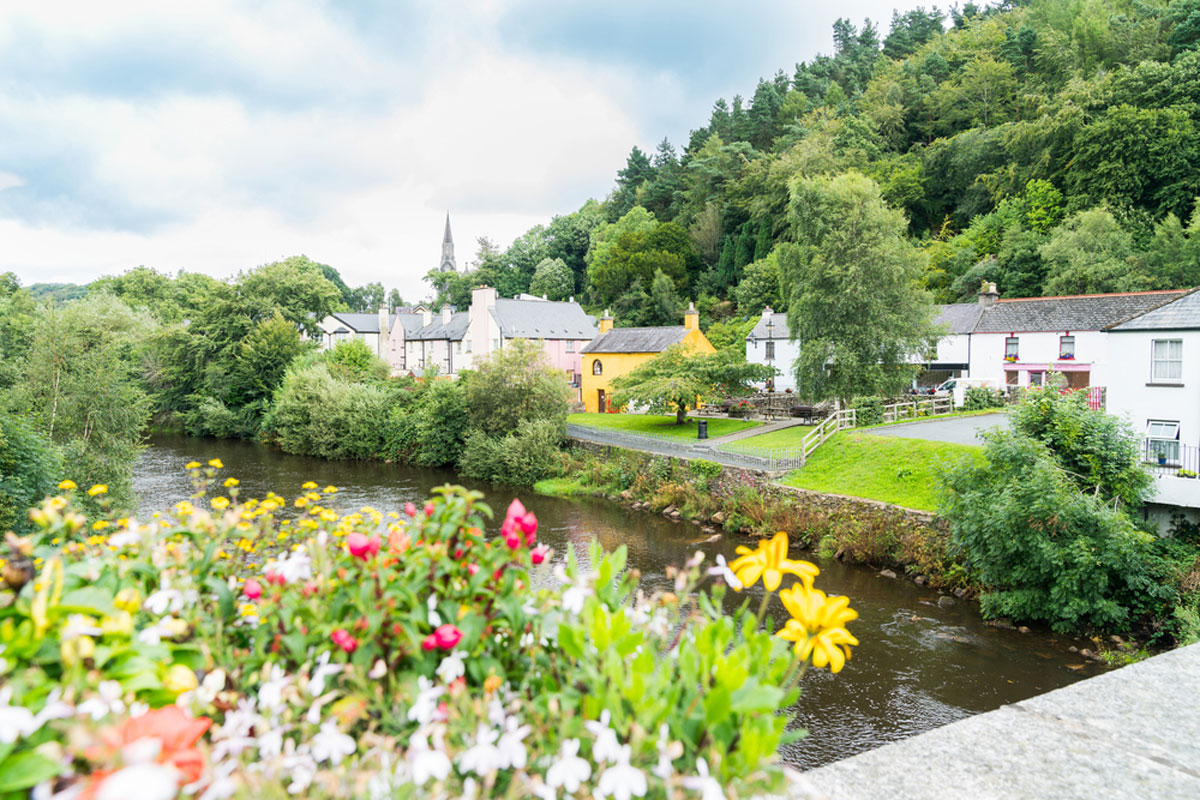
- Avoca: Known as the filming location for Ballykissangel and home to the famous Avoca Handweavers.
- Enniskerry: A charming village near Powerscourt Estate, with cafés, shops, and traditional Irish charm.
- Rathdrum: A gateway to natural attractions like Avondale Forest and Glenmalure Valley.
- Hollywood: A picturesque village with historical sites and links to monastic heritage.
Lakes and Water Activities
- Blessington Lakes: Perfect for boating, kayaking, and picnicking, surrounded by stunning landscapes.
- Lough Dan: A serene glacial lake ideal for hiking and nature enthusiasts.
- Vartry Reservoir: A peaceful spot for walking and enjoying the tranquility of the surrounding countryside.
- Kilcoole Beach: A quiet beach and bird sanctuary along the scenic coastline.
- Brittas Bay: A family-friendly Blue Flag beach with golden sands and clear waters.
Unique Experiences
- Clara Lara Fun Park: A family adventure park offering outdoor activities and water-based fun.
- National Botanic Gardens, Kilmacurragh: A Victorian garden known for its unique plant collections and tranquil setting.
- Glenroe Open Farm: A petting farm perfect for families with children.
- Glendalough Upper and Lower Lakes Walk: An iconic hike offering stunning views of the surrounding valley.
- Avoca Handweavers: Visit Ireland’s oldest working handweaving mill and shop for artisanal goods.
County Wicklow offers a captivating mix of natural beauty, historical depth, and outdoor adventure. From the serene lakes of Glendalough to the majestic Powerscourt Estate, Wicklow is an unforgettable destination for travelers seeking tranquility and exploration.
Helpful Resources