


Table of Contents
- Introduction: Cliffside Adventure on the Causeway Coast
- History and Origins: Salmon Fishing, Skill, and Survival
- Crossing the Bridge: Views, Wildlife, and the Atlantic Thrill
- Visitor Information: Access, Tickets, and Safety Tips
- Heritage and Significance: Carrick-a-Rede in the Irish Landscape
Introduction: Cliffside Adventure on the Causeway Coast
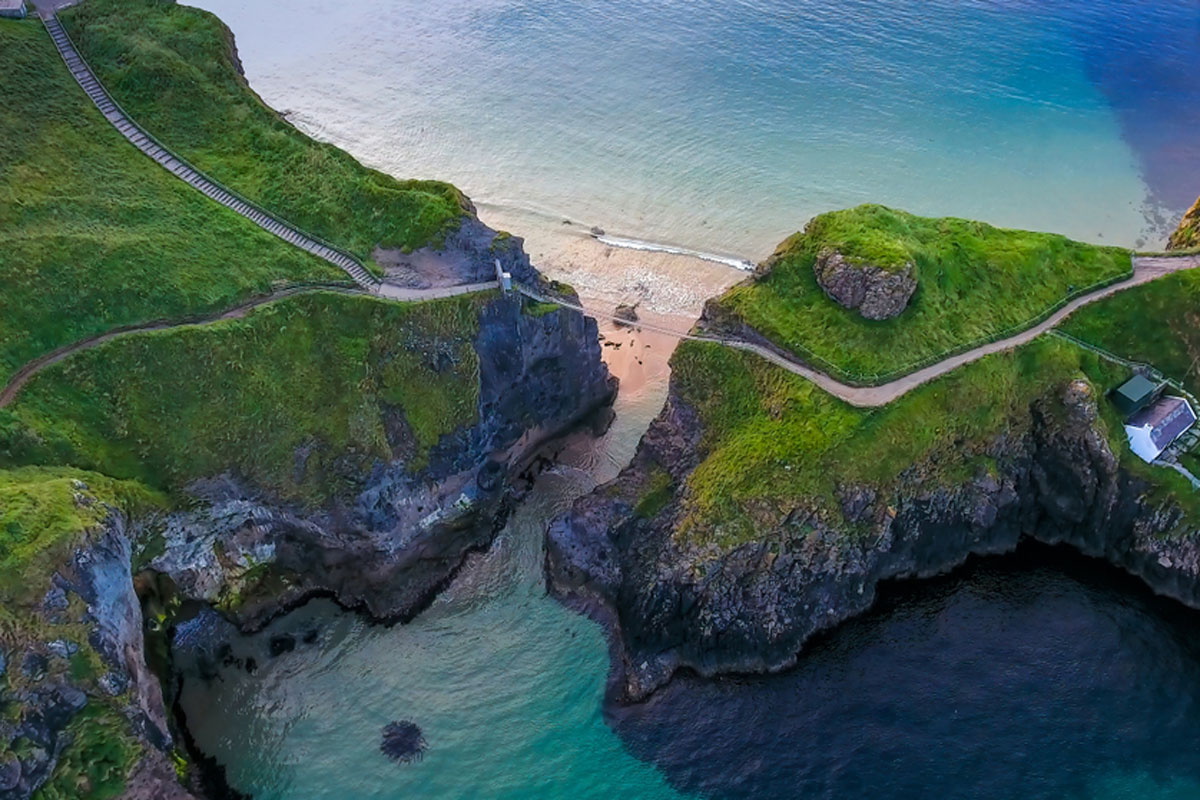
Perched on the dramatic cliffs of County Antrim’s Causeway Coast, the Carrick-a-Rede Rope Bridge is one of Northern Ireland’s most thrilling and iconic coastal experiences. Spanning a 20-metre chasm between the mainland and the tiny island of Carrick-a-Rede, the bridge sways gently above swirling Atlantic waters, offering breathtaking views of rugged cliffs, sea stacks, and distant Scottish isles shimmering on a clear day.
First built by salmon fishermen more than 250 years ago, the rope bridge has evolved from a practical working structure into a world-famous attraction cared for by the National Trust. Today’s bridge is safe, expertly maintained, and designed to blend adventure with conservation. Yet it still retains a hint of the daring spirit that defined the fishermen who once crossed it daily for their catch.
Visitors approach the bridge along a cliff-top path that reveals the Causeway Coast at its most spectacular. Towering basalt cliffs, emerald slopes, and the endless expanse of the North Atlantic create a setting that feels wild, ancient, and cinematic. Whether you’re drawn by the adrenaline rush of crossing the bridge, the panoramic seascapes, or the rich natural heritage of the coastline, Carrick-a-Rede offers an unforgettable encounter with Ireland’s maritime past.
More than just a crossing, the bridge is a gateway to a different world — a small, windswept island where seabirds wheel overhead, waves crash against black volcanic rocks, and the rhythm of the sea feels both timeless and elemental.
History and Origins: Salmon Fishing, Skill, and Survival
Long before it became one of Northern Ireland’s most photographed attractions, the Carrick-a-Rede Rope Bridge was a lifeline for generations of salmon fishermen working the turbulent waters of the North Atlantic. As early as the 18th century, local fishing crews built simple rope crossings to reach Carrick-a-Rede Island, a rocky outcrop perfectly positioned along the migratory route of Atlantic salmon. Each summer, the fish would funnel through a natural channel beneath the cliffs, making this one of the richest fishing spots on the coast.
The earliest versions of the bridge were far more precarious than today’s secure structure. Fishermen constructed them by hand using rough ropes, wooden slats, and nets, leaving large gaps beneath their feet and offering little in the way of handrails. Crossing required balance, skill, and courage — especially in high winds or stormy seas. For fishermen, however, the danger was simply part of the job. Reaching the island meant a chance at a successful catch, and with it, the livelihood of their families.
At the height of the salmon industry, the island hosted a small but busy seasonal fishery. Nets were cast from its rocks, and the catch was processed on-site before being brought back across the bridge to the mainland. Over time, improvements were made to the structure, but it remained a rugged and functional tool of the fishing trade rather than a tourist attraction.
By the late 20th century, salmon stocks had declined dramatically, and commercial fishing in the area came to an end. In response, the National Trust assumed responsibility for Carrick-a-Rede, preserving the bridge as a monument to coastal heritage and transforming it into the safe, modern crossing used today. Though no longer essential for fishing, the bridge continues to honour the bravery and craftsmanship of the men who once relied upon it.
Standing on the island or looking back toward the cliffs, visitors can still imagine the world of the early fishermen — a place where isolation, skill, and the relentless sea shaped daily life on Northern Ireland’s majestic coastline.
Crossing the Bridge: Views, Wildlife, and the Atlantic Thrill
Stepping onto the Carrick-a-Rede Rope Bridge is an unforgettable moment — a mix of excitement, awe, and pure Atlantic atmosphere. Suspended nearly 30 metres above churning seawater, the bridge moves gently with each step, swaying just enough to remind you of the power of the wild coastline around you. Below, waves crash against black basalt cliffs, while seabirds circle overhead in the restless winds.
The crossing is short — only about 20 metres — but the sensory experience is remarkably rich. On calm days, the sea glows turquoise, revealing underwater kelp forests and swirling tidal currents. On stormier days, white spray rises dramatically against the rocks, adding a cinematic intensity to every step. Whether you’re seeking a mild thrill or simply soaking in the views, the bridge offers a perspective found nowhere else on the Causeway Coast.
Once on Carrick-a-Rede Island, the reward is spectacular. Panoramic views stretch across the North Atlantic toward Rathlin Island and, on clear days, all the way to the headlands of Scotland’s Mull of Kintyre. The island’s steep cliffs also attract a wide variety of seabirds, including fulmars, guillemots, razorbills, and the occasional puffin in early summer. The combination of wildlife, geology, and seascapes makes it a dream location for photographers and nature lovers.
The island itself is small but atmospheric — a rugged, windswept rock shaped by centuries of storms and tides. Narrow trails lead to viewpoints overlooking sea caves, natural arches, and the carved basalt formations that define this stretch of coast. Every corner feels dramatic, ancient, and alive with the rhythm of the ocean.
Whether you pause on the bridge to savour the moment or explore the island’s cliff edges, the experience blends adventure with natural beauty. It’s no wonder Carrick-a-Rede has become one of the most beloved stops on Northern Ireland’s Causeway Coastal Route.
Visitor Information: Access, Tickets, and Safety Tips
The Carrick-a-Rede Rope Bridge is located near the village of Ballintoy in County Antrim, along the famous Causeway Coastal Route. Managed by the National Trust, the site operates a timed ticketing system during peak months to ensure a safe and enjoyable experience for all visitors.
Reaching the bridge is straightforward. Drivers can follow the A2 coast road between Ballycastle and Bushmills, one of the most scenic drives in Northern Ireland. A dedicated car park at Carrick-a-Rede provides easy access to the coastal path, with just over 1 km of walking required to reach the bridge itself. Public transport connections are also available via local buses stopping in Ballintoy or along the main coastal route.
Tickets should be booked in advance during the summer and holiday periods, as walk-up availability is limited. The ticket includes entry to the coastal pathway, access to the rope bridge, and on-site facilities such as the visitor centre, restrooms, and seasonal refreshments. National Trust members receive free entry but may still need to reserve a timeslot.
While the bridge is well maintained and suitable for most visitors, weather can affect conditions. Strong winds, heavy rain, or high seas may lead to temporary closures for safety reasons. Comfortable footwear is recommended, as the cliff-path approach includes some uneven ground and mild inclines. Those with a fear of heights can still enjoy the coastal walk without crossing the bridge itself — the views alone are worth the visit.
Families will find the site welcoming and manageable, though children must be supervised closely on the bridge and cliff paths. Dogs are permitted on the walking route but are not allowed on the bridge for safety reasons.
With proper planning, a trip to Carrick-a-Rede is smooth and rewarding — a chance to blend adventure, scenic beauty, and Irish coastal heritage in one memorable visit.
Heritage and Significance: Carrick-a-Rede in the Irish Landscape
The Carrick-a-Rede Rope Bridge is more than just a thrilling crossing — it is a symbol of Northern Ireland’s deep connection with the sea, its fishing traditions, and the rugged beauty of the Causeway Coast. For centuries, the bridge linked mainland life with the small fishing station on Carrick-a-Rede Island, representing survival, skill, and the close relationship between coastal communities and the Atlantic waters that sustained them.
Even today, the bridge stands as a tribute to the resilience and ingenuity of the salmon fishermen who built and maintained it. Their knowledge of tides, currents, and coastal geography helped shape the cultural landscape of the region. Although commercial salmon fishing has faded, the spirit of those who worked these waters lives on in the stories, tools, and structures left behind.
From a natural heritage perspective, Carrick-a-Rede is a place of striking geological and ecological importance. The cliffs are formed from ancient basalt, part of the same volcanic landscape that created the nearby Giant’s Causeway. The island and surrounding coastline provide crucial breeding habitats for seabirds, and the clear Atlantic waters support diverse marine life. Protecting this environment is central to the work of the National Trust, which manages the site with a focus on conservation and sustainable tourism.
Culturally, Carrick-a-Rede is woven into the identity of the Causeway Coast. Its dramatic beauty has appeared in travel films, photography exhibitions, and promotional campaigns that highlight Northern Ireland’s world-class scenery. Yet despite its global fame, the site retains an intimate, elemental atmosphere — a place where visitors can still feel the wind, hear the waves, and sense the ancient rhythms of the North Atlantic.
Whether admired for its history, wildlife, scenery, or quiet heroism, Carrick-a-Rede remains one of Ireland’s most iconic coastal landmarks — a place where adventure, heritage, and natural wonder meet high above the sea.
Natural Wonders
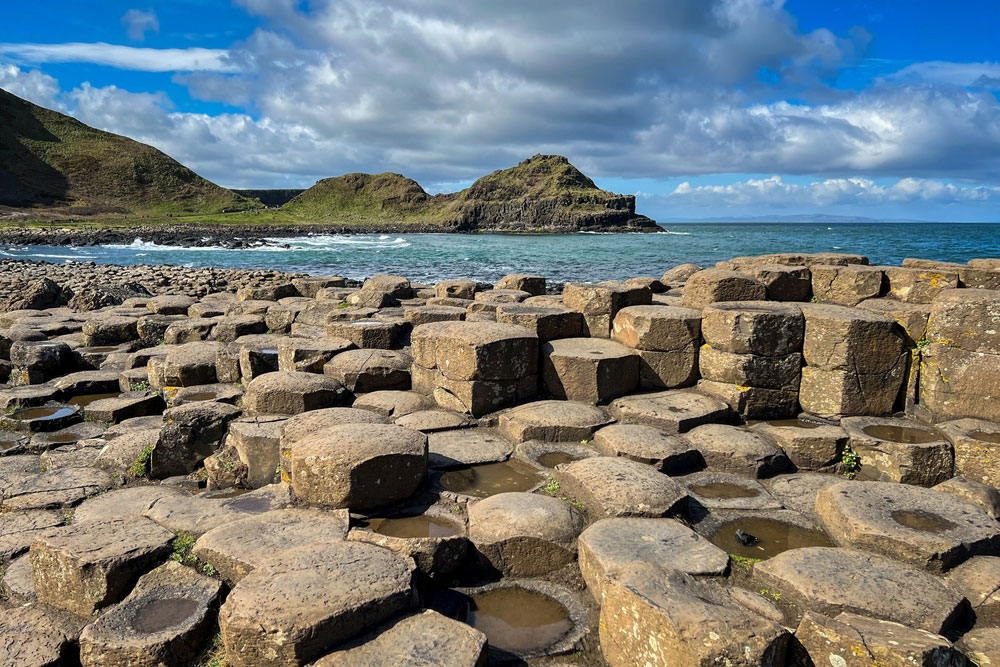
- The Giant’s Causeway – A UNESCO World Heritage Site featuring unique hexagonal basalt columns.
- Carrick-a-Rede Rope Bridge – A thrilling rope bridge linking the mainland to a small island.
- Cushendun Caves – Stunning caves featured in Game of Thrones.
- Glens of Antrim – A series of nine beautiful glens offering breathtaking scenery and walking trails.
- Fair Head – A dramatic cliff with incredible views, popular for hiking and rock climbing.
Castles and Historic Sites
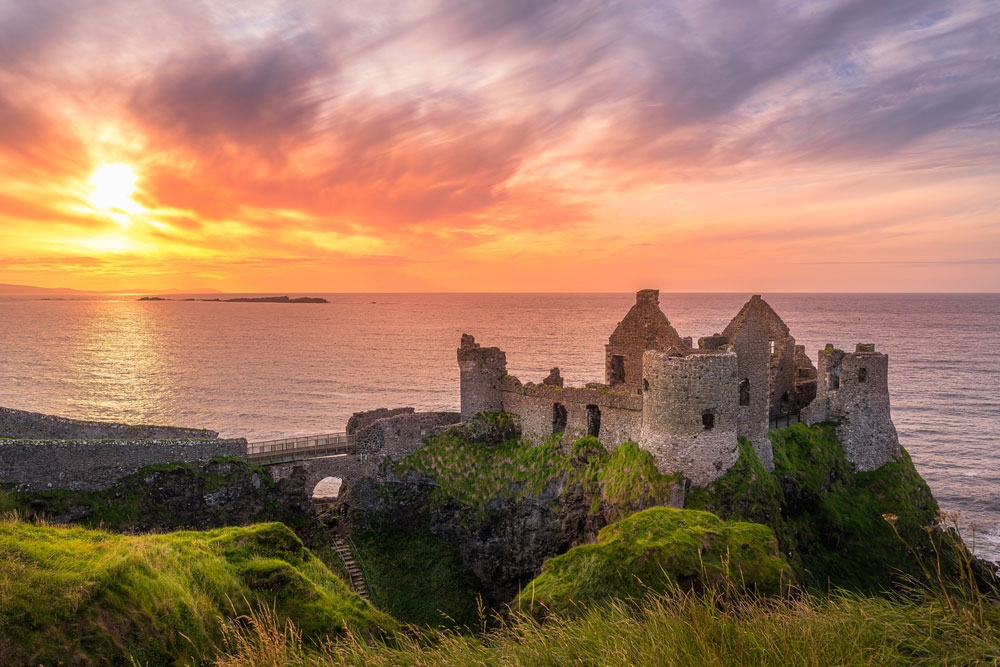
- Dunluce Castle – A medieval castle perched on a dramatic cliff overlooking the sea.
- Carrickfergus Castle – A well-preserved Norman castle dating back to the 12th century.
- Shane’s Castle – A historic estate with a ruined castle and stunning grounds.
Coastal Attractions
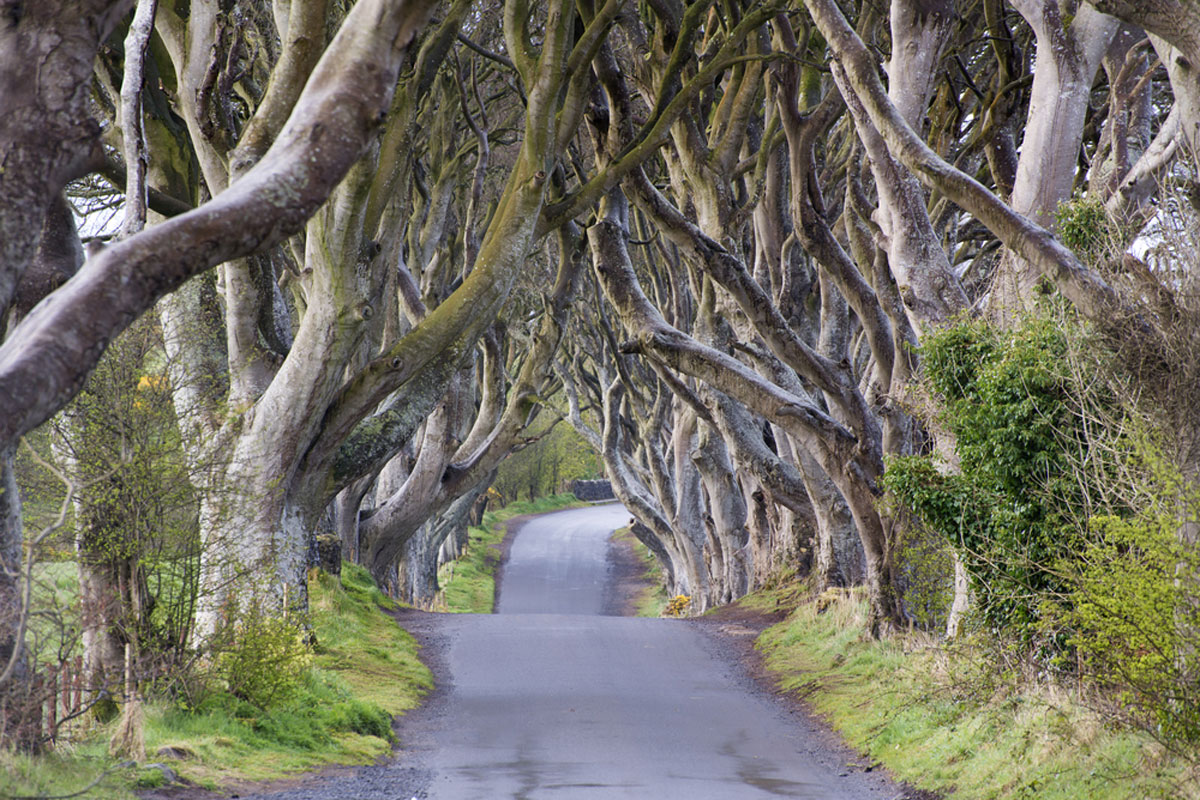
- The Dark Hedges – A hauntingly beautiful avenue of beech trees featured in Game of Thrones.
- Ballycastle Beach – A scenic spot for relaxation and views of Rathlin Island.
- White Park Bay – A picturesque beach with stunning coastal views.
Islands and Marine Attractions
- Rathlin Island – Known for its wildlife, seabird colonies, and the Rathlin West Light Seabird Centre.
- Ballintoy Harbour – A charming harbor and filming location for Game of Thrones.
Museums and Cultural Sites
- Ulster Folk and Transport Museum – Showcasing traditional Irish heritage and transportation history.
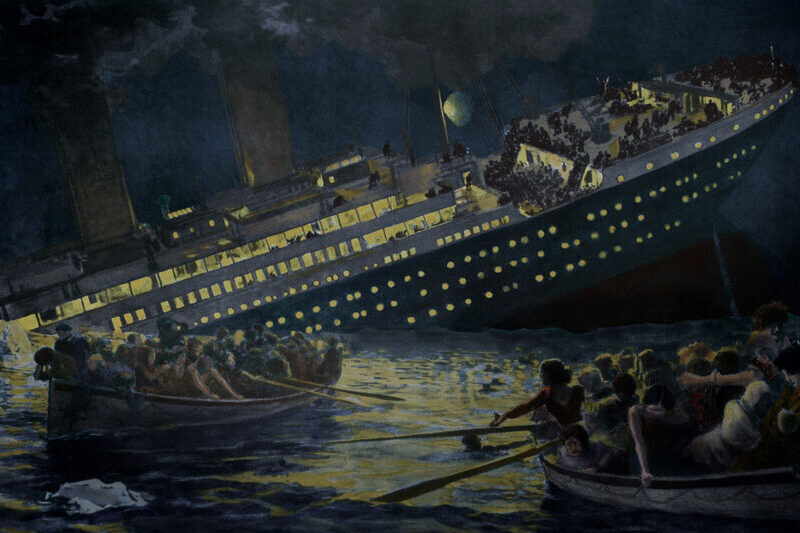
- Belfast Lough – Known for maritime heritage, including the Titanic Quarter.
Scenic Drives and Routes
- Causeway Coastal Route – A stunning drive featuring some of Northern Ireland’s most iconic attractions.
- Slemish Mountain – Said to be the first home of Saint Patrick in Ireland, popular for hiking.
Unique Experiences
- Old Bushmills Distillery – One of the oldest whiskey distilleries in the world, offering tours and tastings.
- Glenarm Castle and Gardens – A stunning estate with historic gardens and seasonal events.
These attractions make County Antrim a must-visit destination for nature lovers, history buffs, and adventure seekers alike.
Helpful Resources