
Table of Contents
- Introduction: Ireland’s Remote Island Outpost
- The History and Folklore of Tory Island
- What to See: Landmarks, Art, and Natural Beauty
- Visitor Information: Ferries, Accommodation, and Local Life
- Gaelic Traditions and the Lasting Spirit of Tory
Ireland’s Remote Island Outpost
Off the rugged northwest coast of County Donegal, around 14 kilometres into the Atlantic Ocean, lies Tory Island (Toraigh in Irish). Just five kilometres long and barely one kilometre wide at its broadest point, Tory is one of Ireland’s most remote inhabited islands. Yet despite its size, it holds an outsized place in Irish culture thanks to its Gaelic-speaking community, rich folklore, and dramatic coastal scenery.
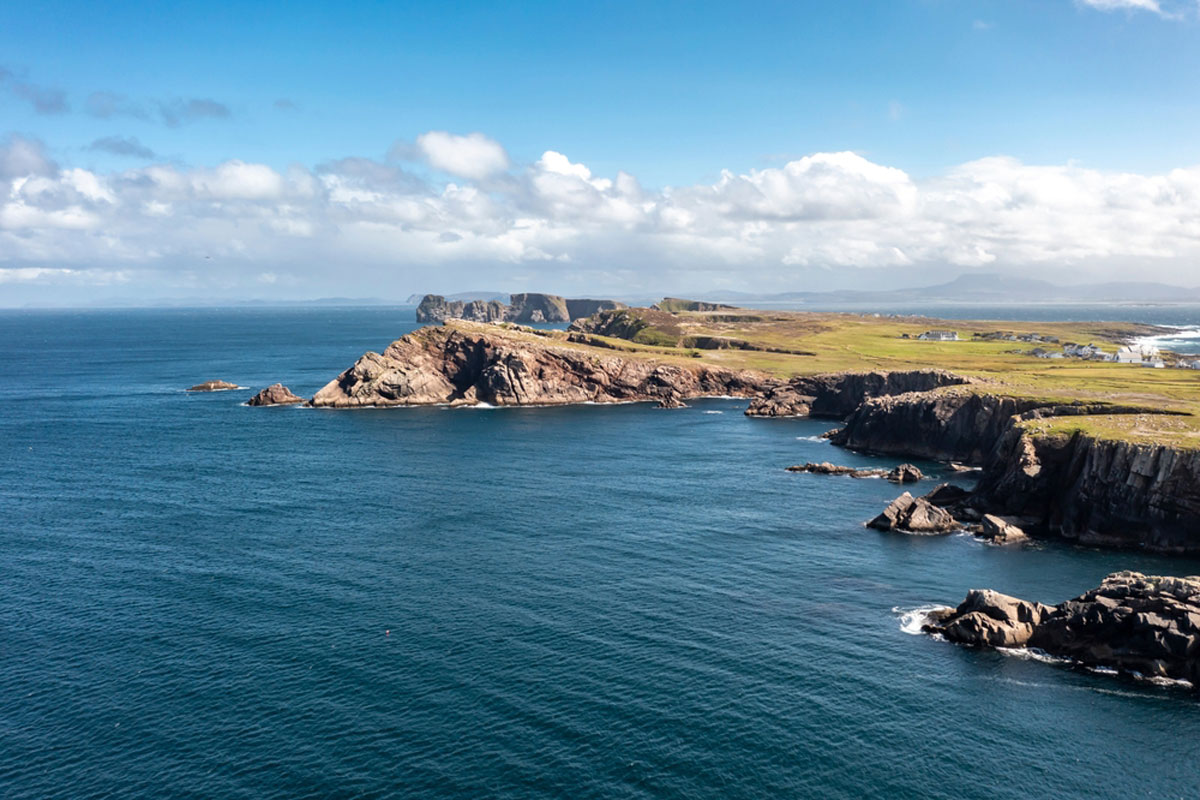
The journey to Tory begins with a ferry ride across often lively seas, but the reward is a step into a world where traditions are preserved and the pace of life is shaped by the ocean. The island is renowned for its sheer cliffs, seabird colonies, and striking rock formations, including the towering cliffs of An Eochair Mhór and the sea stack known as Tor Mór. Here, the Atlantic pounds relentlessly against the rocks, creating a landscape that feels both wild and timeless.
Tory Island is also a place of living heritage. It has long been celebrated for its artists, musicians, and storytellers, and until recent years it was home to Ireland’s last “king,” a tradition that reflected the island’s unique sense of identity and independence. Visitors are drawn not only to its natural beauty but also to its cultural heartbeat — one that is deeply rooted in the Irish language, myth, and creative expression.
For those who make the journey, Tory offers more than a day trip: it offers an experience of authentic Ireland, where the past is vividly present and the Atlantic horizon seems endless. Remote, resilient, and inspiring, Tory Island remains one of Ireland’s true hidden gems.
The History and Folklore of Tory Island
Though small in size, Tory Island carries a history that stretches back thousands of years. Archaeological evidence suggests human settlement here from prehistoric times, with standing stones and ancient ruins still marking the landscape. By the 6th century, Tory had become a centre of Christian devotion, with St. Colmcille (St. Columba) said to have founded a monastery on the island. The ruins of the monastery, including a round tower stump and carved stones, remain as a reminder of this early spiritual heritage.
But alongside its Christian past lies a rich seam of myth and folklore. The most famous legend is that of Balor of the Evil Eye, a giant and tyrant who ruled Tory in ancient times. According to Irish mythology, Balor possessed a single, deadly eye whose gaze could kill. He imprisoned his daughter, Ethnea, to prevent her from bearing a child who would one day overthrow him. Yet the prophecy came true when her son, Lugh, grew to manhood and struck down Balor in battle, symbolising the triumph of light over darkness. This myth, rooted in Tory’s dramatic landscape, connects the island directly to Ireland’s oldest epic cycles.
Folklore also tells of fairy forts, hidden treasures, and otherworldly presences. The island’s isolation and weather-beaten cliffs lend weight to these stories, which are still shared by islanders today. Visitors often find that standing at Tory’s cliff edges or among its ruins feels like stepping into a living myth — where the boundary between history and legend is blurred.
Through centuries of invasion, hardship, and emigration, Tory has endured. Its legends continue to inspire, giving the island a unique place in Ireland’s cultural imagination. For those who visit, these stories provide not only entertainment but also a deeper sense of the island’s enduring spirit.
What to See: Landmarks, Art, and Natural Beauty
Despite its modest size, Tory Island is filled with landmarks and natural wonders that make every corner worth exploring. The island’s rugged coastline is its most striking feature, with towering cliffs that plunge dramatically into the Atlantic. The Tor Mór, a sea stack rising from the waves, and the great cliff of An Eochair Mhór showcase the raw power of wind and sea in shaping the landscape. Walkers along the island’s paths are treated to breathtaking views and a sense of wild remoteness found in few other places in Ireland.
Tory is also home to important historical and religious sites. The remnants of St. Colmcille’s monastery still stand, including the Tau Cross, an early Christian carved stone that remains a symbol of faith for locals and pilgrims alike. The ruins of the island’s round tower and ancient churches speak to Tory’s role as a spiritual outpost on the edge of Europe.
For lovers of art and culture, Tory holds a special surprise: its renowned artistic community. In the mid-20th century, painter Derek Hill encouraged islanders to take up painting, sparking a movement that came to be known as the Tory School of Art. The vibrant, naïve-style works created by local artists reflect everyday island life, folklore, and seascapes. Visitors can often meet the artists themselves and view their works in local galleries, offering a chance to connect with a unique strand of Ireland’s creative heritage.
Nature enthusiasts will find much to admire beyond the cliffs. Tory’s position on the Atlantic makes it a haven for seabirds, including puffins, razorbills, and fulmars. The island’s fields and boglands bloom with wildflowers in summer, adding colour to the stark beauty of its terrain. With limited roads and little traffic, the island is best experienced on foot, allowing time to soak in both its scenery and spirit.
From ancient crosses to modern art, from seabird colonies to sweeping cliffs, Tory Island offers visitors a chance to encounter the many layers of Ireland’s heritage and natural beauty in one compact, unforgettable setting.
Visitor Information: Ferries, Accommodation, and Local Life
Visiting Tory Island is an adventure in itself, beginning with the ferry journey across the often brisk Atlantic waters. Ferries run from the mainland at Magheroarty Pier in West Donegal, with services operating most of the year, though schedules are weather dependent. The crossing takes around 45 minutes to an hour, offering dramatic views of the Donegal coast and the island emerging on the horizon. Tickets are best booked in advance during the busy summer months.
Once on Tory, visitors will find a small but welcoming community of around 120 permanent residents. The island has two main villages, East Town and West Town, where most of the facilities are located. Accommodation is limited but charming, ranging from family-run guesthouses and bed-and-breakfasts to small hostels. Staying overnight is highly recommended, as it allows time to experience the island’s peaceful evenings, starlit skies, and traditional hospitality.
Dining options on Tory are simple but satisfying, often featuring fresh local seafood and traditional Donegal fare. The island’s pubs and cafés provide not just food and drink, but also a chance to enjoy live music, stories, and warm conversation with islanders. These social spaces are central to the fabric of community life, where visitors are welcomed as part of the gathering.
It’s worth noting that facilities on Tory are limited compared to mainland towns, so visitors are advised to bring essentials. The island has a small shop, but supplies can be basic, and cash is useful since card services may not always be available. Good walking shoes, waterproof clothing, and a sense of adventure are essential for making the most of the island experience.
For those who stay overnight, the rhythm of Tory becomes clear: mornings shaped by the arrival of the ferry, afternoons of walking and exploring, and evenings of music, conversation, and Atlantic sunsets. It is this combination of rugged isolation and warm hospitality that leaves such a lasting impression on all who make the journey.
Gaelic Traditions and the Lasting Spirit of Tory
What sets Tory Island apart from many other destinations is its living connection to Irish Gaelic culture. The island is a Gaeltacht community, where Irish is the everyday language of many residents. Visitors will often hear conversations in Gaeilge in the shops, pubs, and along the roads, offering an authentic glimpse into one of the strongest remaining Irish-speaking areas in the country. For those eager to experience Ireland’s cultural heart, Tory provides a rare and genuine opportunity.
The island has also held on to unique traditions. For centuries, Tory appointed its own symbolic leader, known as the King of Tory. This figure acted as a representative of the islanders, greeting visitors and safeguarding the island’s traditions. Though the role was largely ceremonial in recent decades, the last king, Patsy Dan Rodgers, became beloved by islanders and visitors alike until his passing in 2018. His legacy still resonates, reflecting the island’s spirit of independence and identity.
Music, storytelling, and visual art are central to Tory’s cultural life. Traditional songs and dances are shared at community gatherings, while the island’s painters continue to develop the unique Tory School of Art that has brought international recognition. This blend of oral, musical, and visual creativity ensures that Tory’s culture is not only preserved but constantly renewed.
Above all, Tory is defined by the resilience of its people. Life on a remote Atlantic island has never been easy, with challenges ranging from storms to depopulation. Yet the islanders’ determination to maintain their community, language, and traditions is what makes Tory so inspiring. Visitors often leave with a sense that they have encountered not just a place, but a way of life that is rare and precious in the modern world.
For those seeking more than scenery, Tory Island offers a journey into Ireland’s soul — where the language, heritage, and community spirit of the past remain vividly alive today. It is this combination of culture and landscape that makes Tory not just a destination, but an unforgettable experience.
Natural Attractions
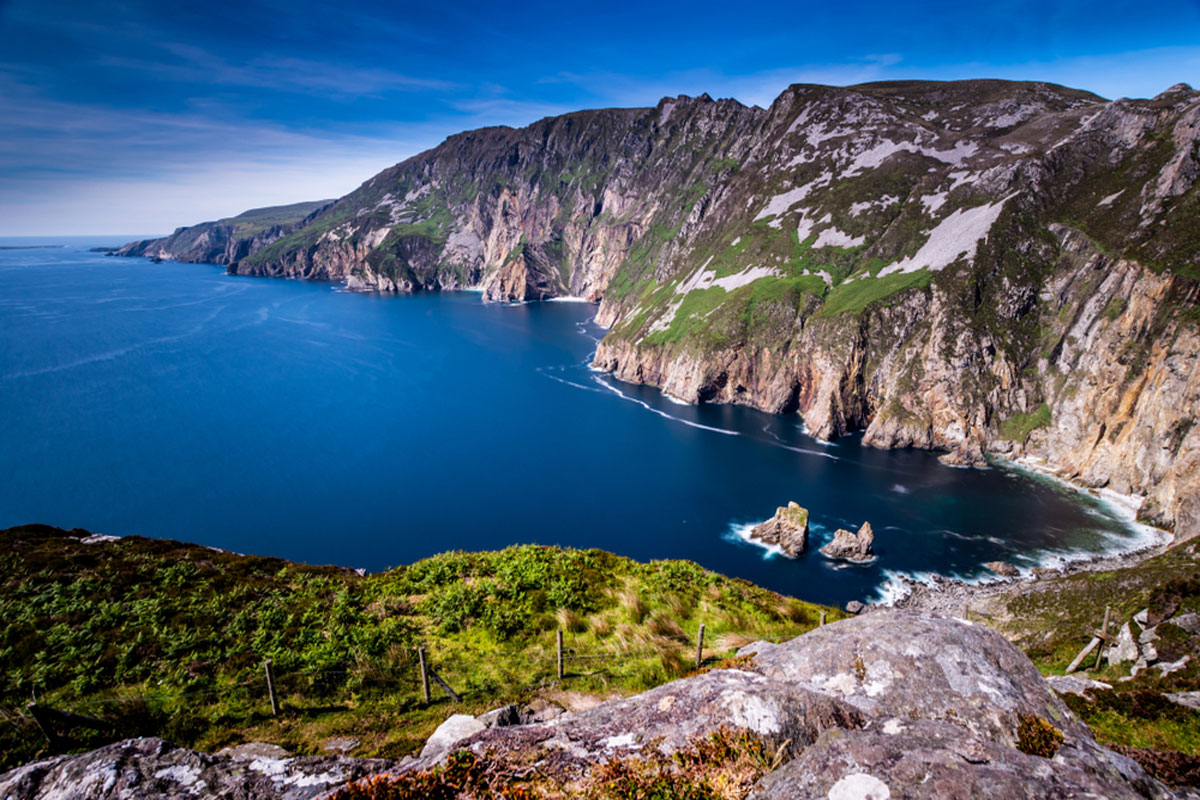
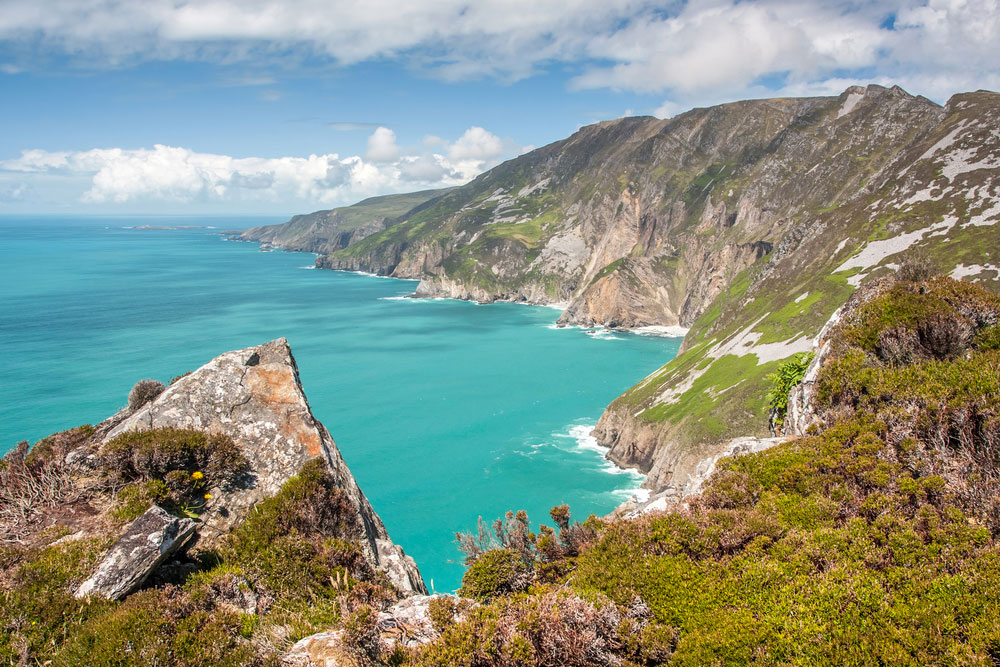
- Slieve League Cliffs – Among the highest sea cliffs in Europe, offering breathtaking views of the Atlantic Ocean.
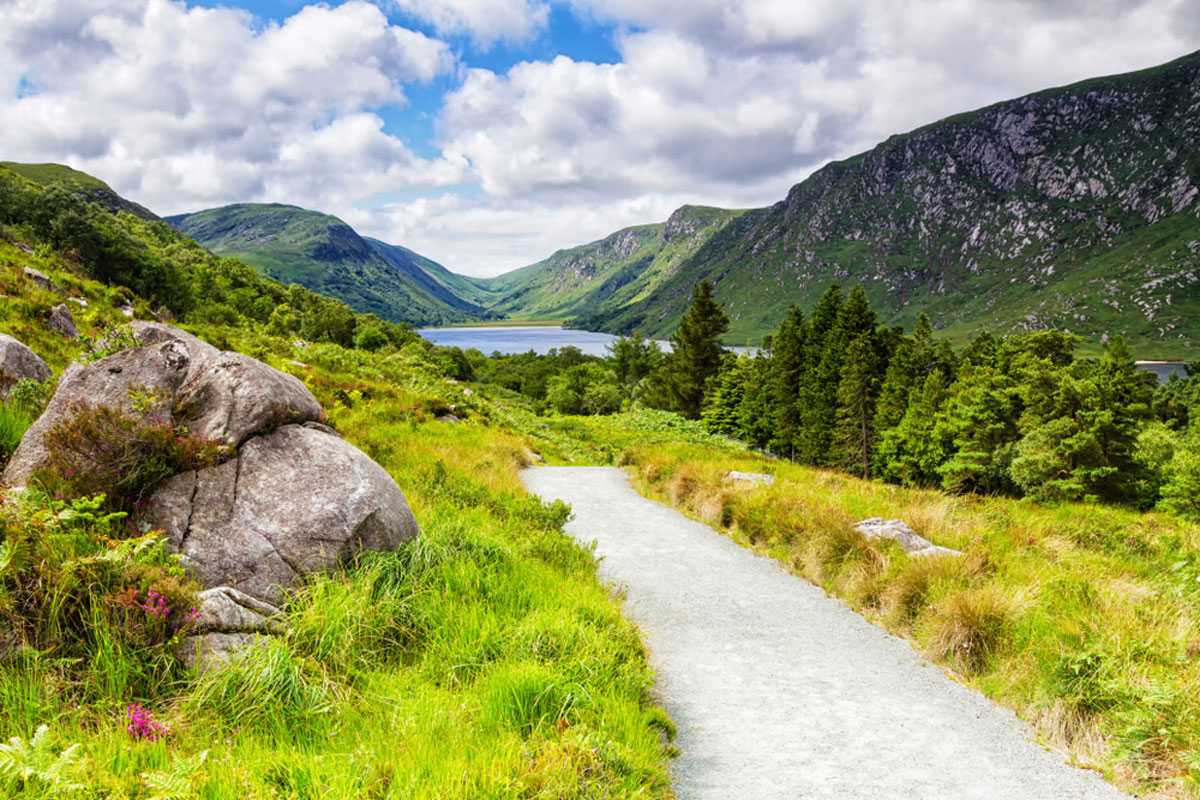
- Glenveagh National Park – A stunning park with rugged mountains, pristine lakes, and the enchanting Glenveagh Castle.
- Malin Head – Ireland’s northernmost point, known for its dramatic coastal scenery and wildlife.
- Fanad Head Lighthouse – A picturesque lighthouse located on a scenic peninsula.
- Blue Stack Mountains – Perfect for hikers seeking challenging trails and spectacular vistas.
- Ards Forest Park – A tranquil forest park with sandy beaches, walking trails, and picnic spots.
Historical and Cultural Sites
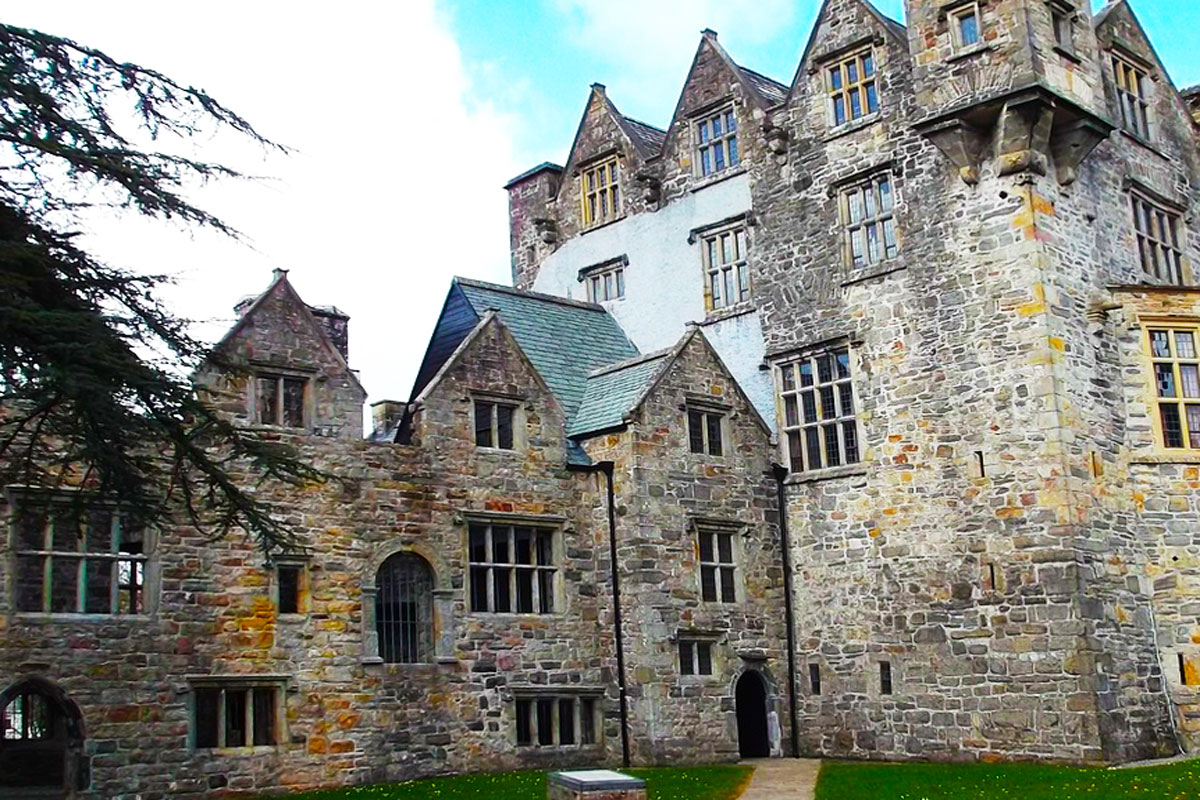
- Donegal Castle – A beautifully restored 15th-century castle in the heart of Donegal Town.
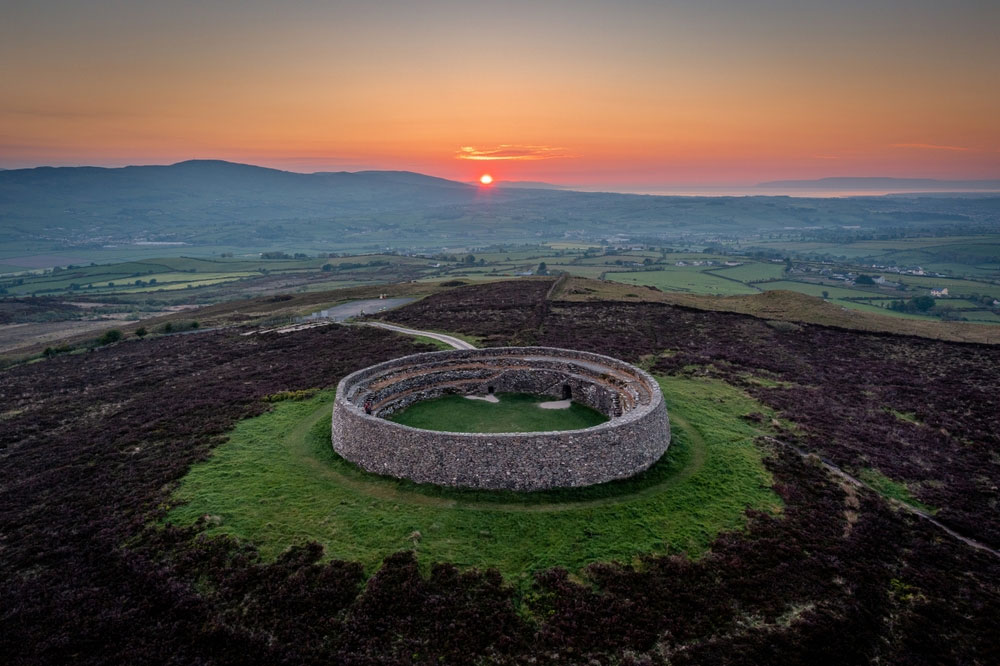
- Grianán of Aileach – A hilltop stone fort offering panoramic views and a glimpse into ancient Irish history.
- Glencolmcille Folk Village – A living history museum depicting traditional Irish rural life.
- Doe Castle – A well-preserved castle with stunning views over Sheephaven Bay.
- Famine Memorial – A poignant tribute to those who suffered during the Great Famine.
Lakes and Water Activities
- Lough Eske – A serene lake surrounded by woodlands, ideal for fishing and kayaking.
- Lough Finn – Known for its trout fishing and scenic setting.
- River Finn – Popular for salmon fishing and riverside walks.
- Ballymastocker Bay – A Blue Flag beach perfect for swimming and relaxing.
Scenic Drives and Villages
- Atlantic Drive – A scenic coastal route showcasing Donegal’s rugged beauty.
- Inishowen Peninsula – A loop drive featuring stunning beaches, historic sites, and charming villages.
- Dungloe – Known for its traditional music and the Mary from Dungloe Festival.
- Ardara – Famous for its tweed-making heritage and friendly atmosphere.
Unique Experiences
- Tory Island – A remote island rich in folklore, accessible by ferry.
- Wild Atlantic Way – Explore Donegal’s section of this iconic coastal route.
- Donegal Craft Village – A hub for local artists and craftspeople creating traditional and modern pieces.
- Surfing at Bundoran – Known as Ireland’s surf capital, offering waves for all skill levels.
- Festivals and Events – Enjoy lively events such as the Donegal Bay and Bluestacks Festival and Earagail Arts Festival.
County Donegal offers a mix of dramatic landscapes, rich cultural heritage, and warm hospitality, making it a must-visit destination in Ireland.
Helpful Resources