


Table of Contents
- Introduction: A Scenic Drive into Sligo’s Wild Heart
- The Landscape of the Gleniff Horseshoe
- Legends, Myths, and Haunting Stories
- Exploring the Loop Drive and Walking Trails
- Visitor Information and Travel Tips
Introduction: A Scenic Drive into Sligo’s Wild Heart
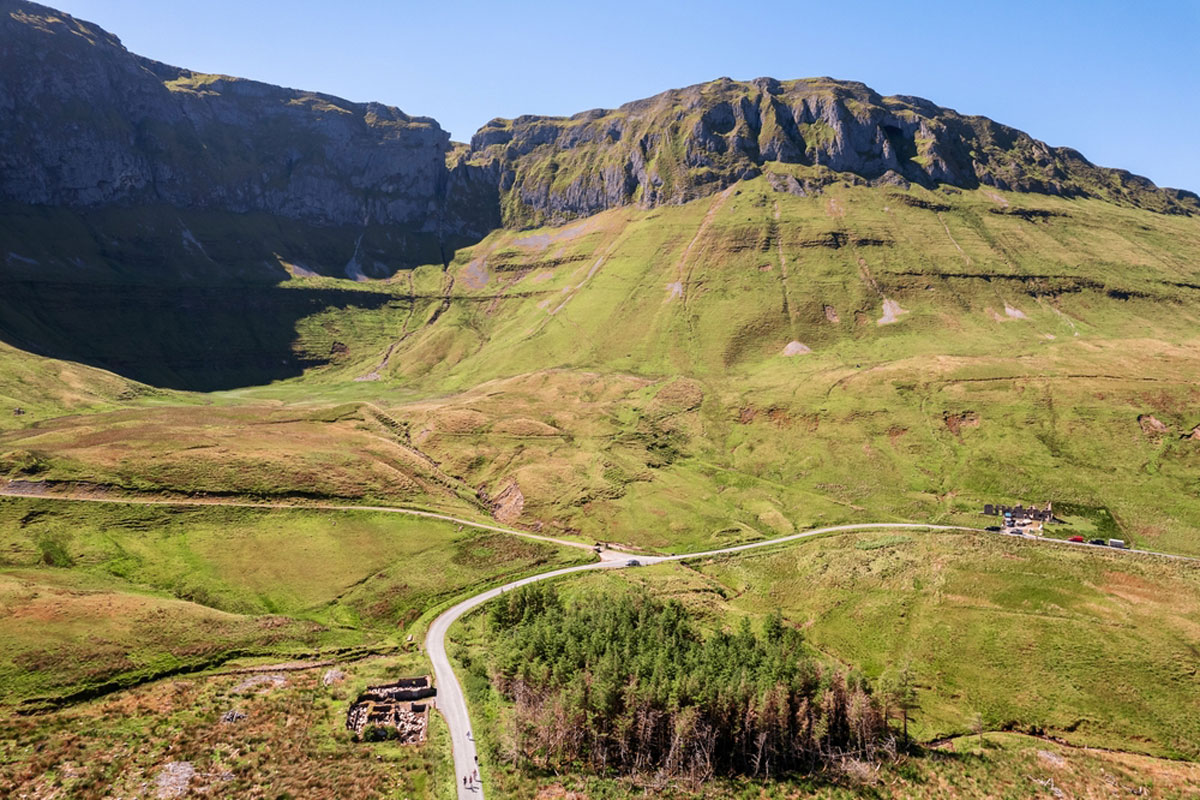
Tucked away in north County Sligo, the Gleniff Horseshoe is one of Ireland’s most breathtaking and atmospheric loop drives. This hidden gem winds for about 10 kilometers through a glacial valley, enclosed by the dramatic cliffs of the Dartry Mountains. The road forms a perfect horseshoe shape, leading travelers deep into a wild landscape of towering rock faces, cascading streams, and sweeping views that feel untouched by time. For those who want to experience Sligo beyond its beaches and towns, the Gleniff Horseshoe offers an unforgettable encounter with Ireland’s raw natural beauty.
The drive begins near the village of Cliffoney, not far from the Wild Atlantic Way, and quickly ascends into a world of mountain walls and hidden glens. Towering above the valley is Truskmore, the highest peak in County Sligo, while other ridges like Tievebaun and Benwiskin complete the imposing natural amphitheater. On a clear day, the views from the loop stretch all the way to Donegal Bay, but even on misty afternoons, the setting has a mystical quality that is just as compelling.
What makes the Gleniff Horseshoe so special is the combination of its natural drama and the rich folklore that clings to the valley. The cliffs shelter caves and ruins associated with some of Ireland’s oldest legends, while the sense of remoteness stirs the imagination. Few places capture both the grandeur and mystery of the Irish landscape as vividly as this loop drive.
We will now explore the geology and beauty of the Gleniff Horseshoe, uncover its haunting myths, highlight what visitors can see along the route, and share practical tips for making the most of your journey. Whether you come to hike, drive, or simply marvel at the scenery, the Gleniff Horseshoe promises an experience you will never forget.
The Landscape of the Gleniff Horseshoe
The Gleniff Horseshoe is a masterpiece of glacial geology, carved thousands of years ago during the last Ice Age. As the ice retreated, it left behind a U-shaped valley ringed by towering cliffs, creating the dramatic natural amphitheater that gives the drive its distinctive horseshoe form. Today, these sheer rock faces rise hundreds of meters above the road, making travelers feel as though they are entering a world apart—remote, wild, and spectacularly beautiful.
The most striking feature of the landscape is the range of mountains that frame the valley. Truskmore, the highest peak in County Sligo at 647 meters, dominates the skyline, while Tievebaun and Benwiskin form jagged ridges that add to the sense of grandeur. The cliffs are streaked with waterfalls after heavy rain, their silver ribbons tumbling down the dark limestone walls. In contrast, the valley floor is lush and green, dotted with old farmhouses and grazing sheep, which soften the ruggedness of the peaks above.
Wildlife thrives here too. The slopes and meadows of the Gleniff Horseshoe are home to mountain hares, kestrels, and peregrine falcons that nest in the cliffs. In spring and summer, the roadside verges burst into bloom with wildflowers, adding splashes of color to the landscape. This blend of rugged geology and living nature makes the Gleniff Horseshoe not only visually dramatic but also ecologically rich.
Adding to the landscape’s allure is the presence of several caves and hidden glens tucked into the cliff faces. The most famous of these is Diarmuid and Gráinne’s Cave, reputedly the highest cave in Ireland, perched high on the slopes of Truskmore. Its yawning entrance is visible from the valley floor, stirring curiosity and giving the cliffs an almost otherworldly character. These features deepen the sense that the Gleniff Horseshoe is a place where geology and legend are inseparable.
Whether viewed in bright sunshine, with shadows playing across the ridges, or in mist and drizzle, when the valley takes on a haunting quality, the landscape of the Gleniff Horseshoe never fails to impress. It is a setting that changes with the weather and the seasons, ensuring that no two visits are ever quite the same.
Legends, Myths, and Haunting Stories
What sets the Gleniff Horseshoe apart from other scenic drives in Ireland is not only its dramatic geology but also the wealth of folklore and haunting stories tied to its cliffs and caves. This is a place where myth and landscape are inseparable, and every turn of the loop seems to reveal another tale from Ireland’s ancient past.
The most famous legend associated with the valley is that of Diarmuid and Gráinne. According to the Fenian Cycle of Irish mythology, Gráinne, the daughter of the High King of Ireland, was betrothed to the much older warrior Fionn Mac Cumhaill. On the eve of her wedding, she eloped with the handsome warrior Diarmuid, and the couple fled across Ireland with Fionn in pursuit. One of their resting places was said to be the vast cave high on the cliffs of Truskmore, now known as Diarmuid and Gráinne’s Cave. Local lore holds that Diarmuid met his tragic end here, gored by a wild boar, making the cave both a romantic and sorrowful landmark.
Folklore also tells of giants and fairies inhabiting the valley, stories that were passed down through generations of local families. The isolation of the horseshoe-shaped glen, with its looming cliffs and swirling mists, provided fertile ground for tales of supernatural beings and unexplained happenings. Even today, visitors often remark on the eerie atmosphere of the valley, especially when fog drifts down from the mountains, obscuring the peaks and muffling sound.
Adding to its mystique, the ruins of 19th-century Gleniff Mill lie at the entrance to the drive. Once a bustling iron ore processing site, the mill is now abandoned, its empty stone shell adding a hauntingly industrial note to the natural grandeur of the valley. The contrast between the mill’s ruins and the ancient myths of the cave reinforces the sense that the Gleniff Horseshoe is a place where layers of history—mythical, rural, and industrial—collide.
For many visitors, it is this combination of breathtaking scenery and haunting legend that makes the Gleniff Horseshoe unforgettable. Driving or walking through the glen, you can almost feel the presence of Ireland’s mythical past lingering in the shadows of the cliffs.
Exploring the Loop Drive and Walking Trails
The Gleniff Horseshoe offers one of Ireland’s most rewarding loop drives. At just under 10 kilometers, the road can be completed in less than half an hour by car, but most visitors choose to take it slowly, stopping at pull-ins and lay-bys to absorb the views. The narrow country road winds deep into the glen before curving back in a perfect horseshoe, surrounded by towering cliffs on three sides. Whether tackled by car, bike, or on foot, the experience is equally memorable.
Driving the loop provides sweeping panoramas of the Dartry Mountains, with constantly shifting perspectives as the road curls around the valley. Each turn reveals new angles on the cliffs of Truskmore, Tievebaun, and Benwiskin. On clear days, distant views extend across Donegal Bay, while misty weather lends the valley a brooding, almost mystical atmosphere. For photographers, the Horseshoe is a dream location, with light and shadow constantly changing across the cliffs.
For those who prefer to explore on foot, the loop is also a popular walking route. A full circuit takes about 2.5 to 3 hours at a leisurely pace, offering time to appreciate the wildflowers, streams, and wildlife that thrive in the valley. The relatively gentle gradient makes it accessible for most walkers, though good footwear is recommended as parts of the roadside can be uneven or wet. Walking provides a deeper sense of immersion, allowing visitors to experience the stillness of the glen and the scale of its cliffs up close.
Along the way, you’ll pass points of interest such as the ruins of the 19th-century Gleniff Mill and the distant view of Diarmuid and Gráinne’s Cave high above. These landmarks add both historical and mythical layers to the journey. Birdwatchers will enjoy spotting kestrels and peregrine falcons circling the cliffs, while sheep grazing on the valley floor add a pastoral charm.
Whether you choose to drive, cycle, or walk, exploring the Gleniff Horseshoe is about more than completing a loop—it is about slowing down and letting the valley reveal its secrets. Each visit feels unique, shaped by the weather, the light, and the timeless presence of the mountains that guard this extraordinary glen.
Visitor Information and Travel Tips
A journey to the Gleniff Horseshoe is one of the highlights of a trip to County Sligo, but a few practical tips can help make the experience even more rewarding. Located just off the N15 near Cliffoney village, the loop is easy to access by car and well signposted. Its position close to the Wild Atlantic Way makes it an ideal detour for those traveling between Sligo town and Donegal.
The loop road itself is narrow and winding, typical of Ireland’s rural routes. While it is paved and in good condition, drivers should take their time, especially when meeting oncoming traffic or cyclists. There are a number of pull-in areas where you can safely stop to admire the scenery and take photographs. If walking or cycling, wear bright clothing for visibility, and be prepared for changes in weather as conditions in the glen can shift quickly.
There are no cafés or shops within the glen itself, so it’s wise to bring water and snacks if you plan on walking the full loop. The nearby village of Cliffoney offers small shops and pubs, while larger amenities can be found in Bundoran to the north or Sligo town to the south. Toilets and visitor facilities are limited, which adds to the remote charm but requires some planning ahead.
The best time to visit depends on what you hope to experience. Spring and summer bring wildflowers, long days, and more reliable weather, while autumn cloaks the valley in rich golden hues. Winter can be atmospheric, with low mist and snow-dusted cliffs, though driving conditions may be more challenging. Early mornings and late afternoons often provide the best light for photography, casting dramatic shadows across the cliffs.
For those looking to extend their trip, the Gleniff Horseshoe is close to several other attractions, including Glencar Waterfall, Benbulben Mountain, and the beaches of Mullaghmore. Combining the loop drive with these sites creates a full day of exploring Sligo’s natural and cultural treasures.
Whether you spend half an hour driving the loop or a few hours walking its length, visiting the Gleniff Horseshoe is an unforgettable experience. With its stunning scenery, legendary stories, and peaceful atmosphere, it is a place where the essence of Ireland’s wild beauty can be felt at every turn.
Historical and Cultural Sites
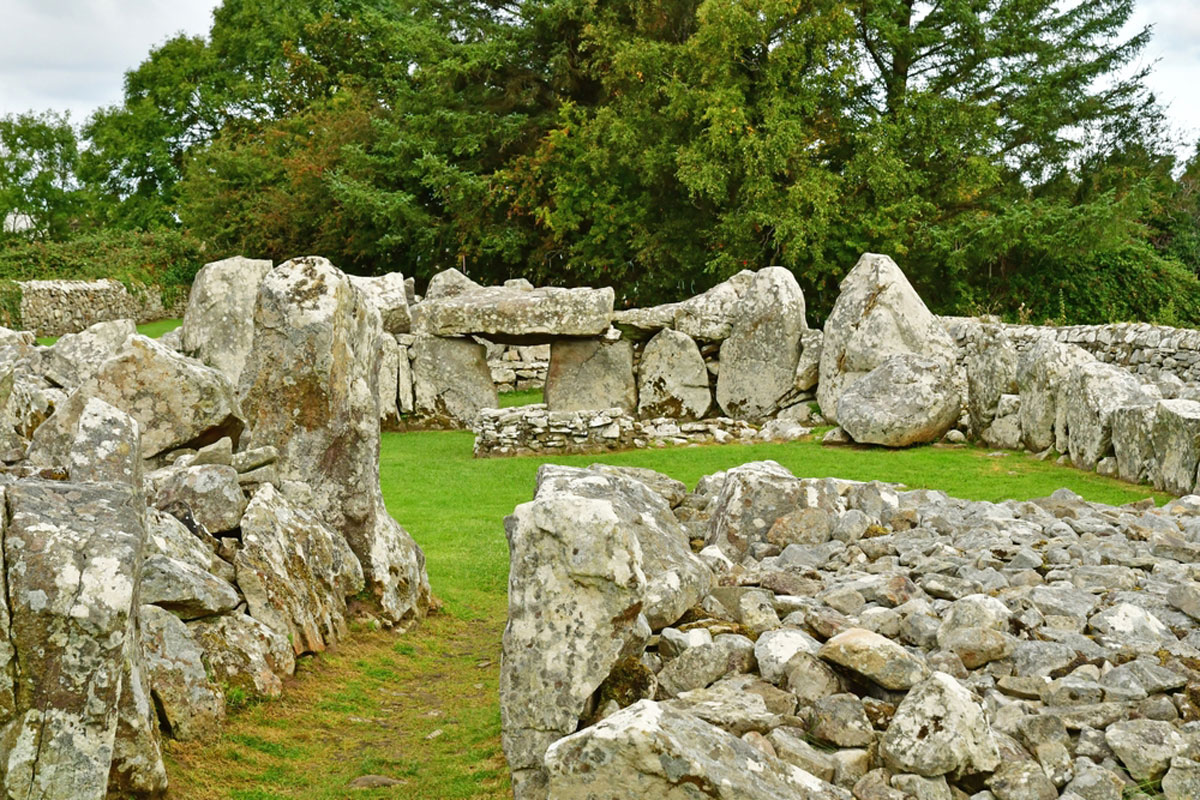
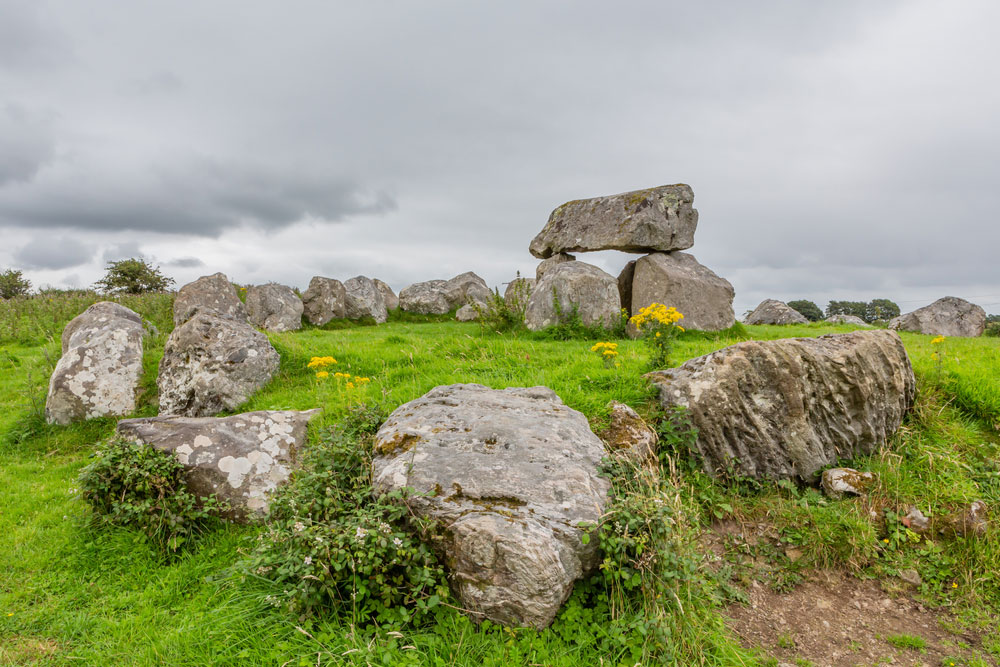
- Carrowmore Megalithic Cemetery: One of the largest and oldest collections of ancient stone tombs in Europe.
- Lissadell House and Gardens: A historic estate linked to the Yeats family, featuring beautiful gardens and exhibitions.
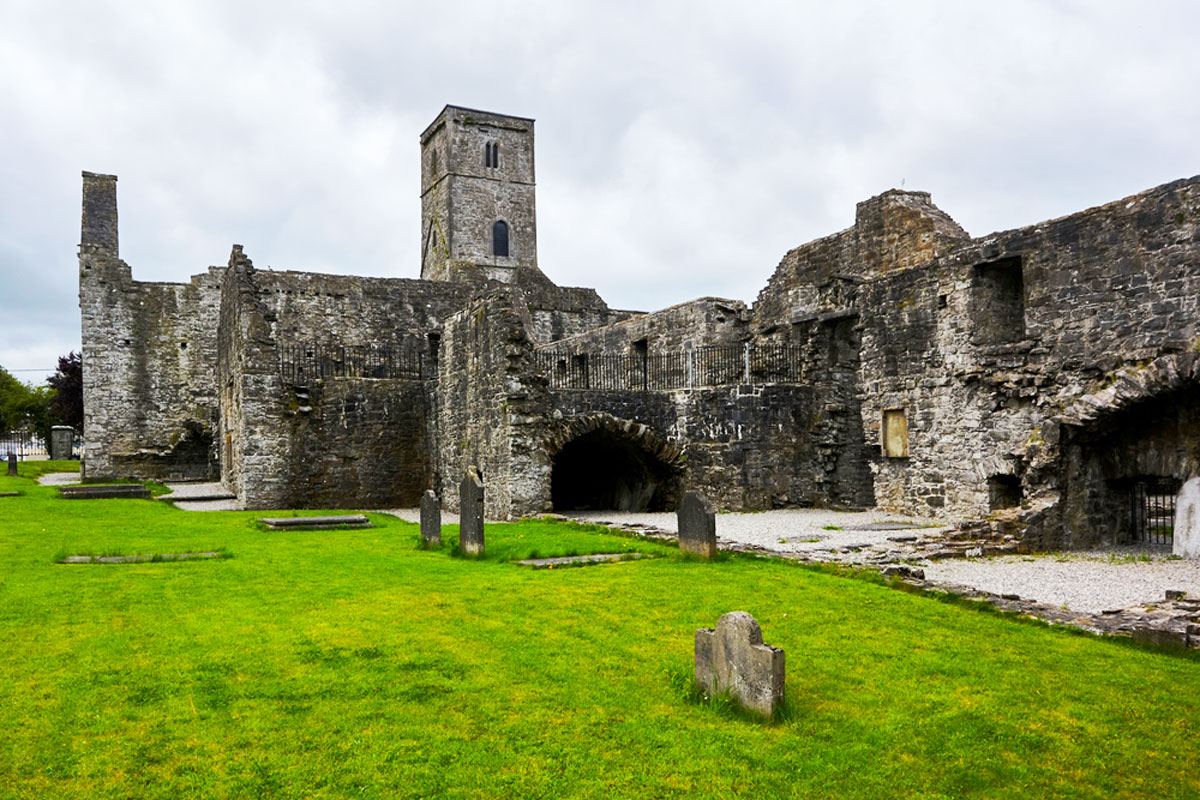
- Sligo Abbey: A well-preserved Dominican friary dating back to the 13th century.
- Drumcliffe Church and Graveyard: The final resting place of the poet W.B. Yeats, located beneath the majestic Benbulben.
Natural Attractions
- Benbulben Mountain: A striking table mountain and one of Ireland’s most iconic landmarks.
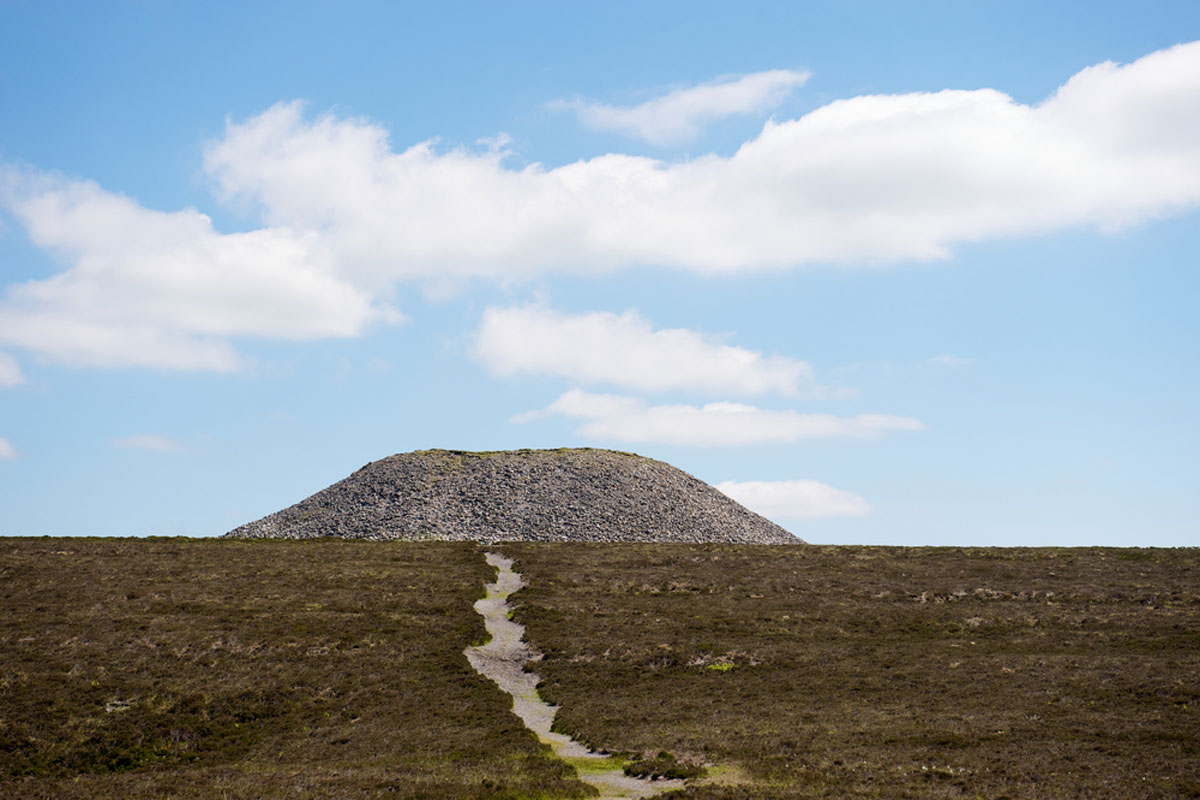
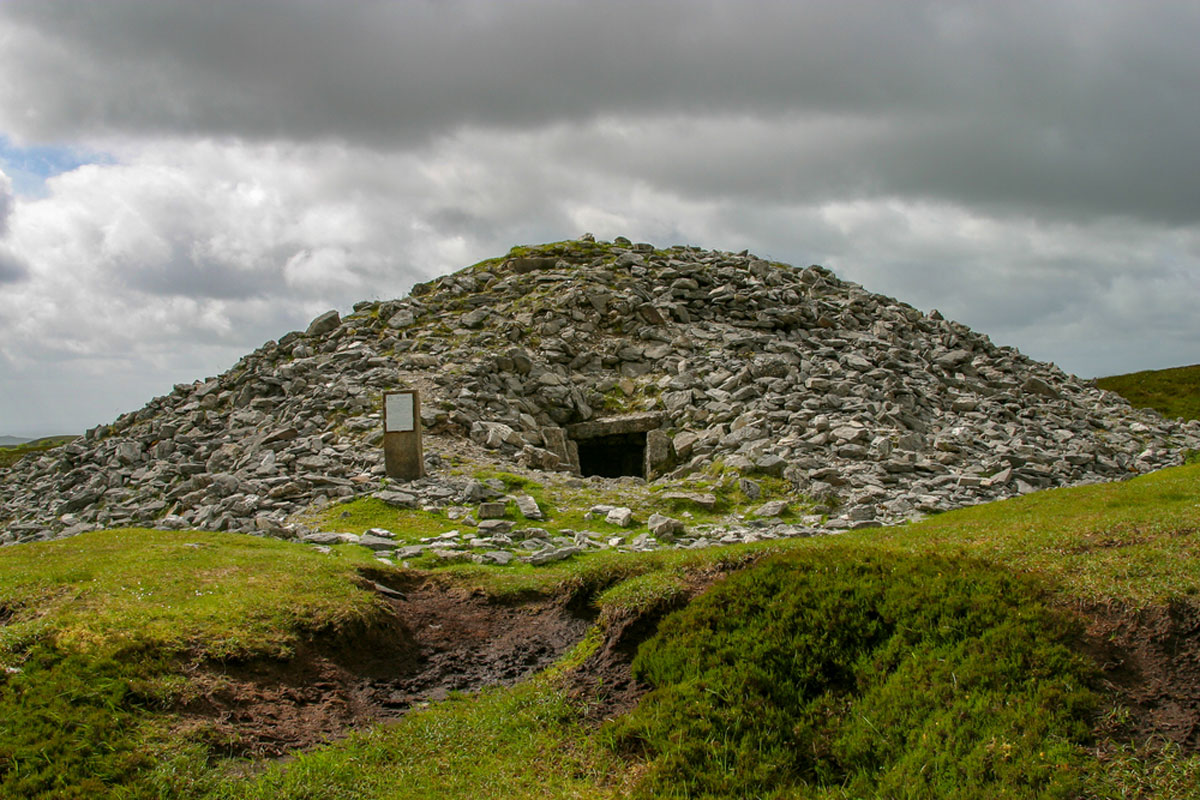
- Knocknarea Mountain: Home to Queen Maeve’s Cairn, an ancient stone tomb with panoramic views of Sligo Bay.
- Lough Gill: A serene lake surrounded by lush forests, celebrated in W.B. Yeats’ poetry.
- Strandhill Beach: A popular spot for surfing, beach walks, and stunning sunsets.
Scenic Drives and Villages
- Rosses Point: A charming seaside village with sandy beaches and coastal walks.
- Enniscrone: Known for its long sandy beach and seaweed baths.
- Tubbercurry: A vibrant town that hosts the annual South Sligo Summer Festival.
- Ballymote: A historic town featuring Ballymote Castle and the nearby Eagles Flying sanctuary.
- Easkey: A quaint village famous for its surfing and rugged coastline.
Lakes and Water Activities
- Lough Gill: Perfect for boat tours, kayaking, and exploring the Isle of Innisfree.
- Ballisodare Bay: A peaceful spot for birdwatching and coastal activities.
- Lough Talt: A tranquil lake nestled in the Ox Mountains, ideal for fishing and walking.
- Mullaghmore: Known for its sandy beaches, fishing, and big-wave surfing.
- Sligo Bay: Offers kayaking, paddleboarding, and opportunities to explore the Wild Atlantic Way.
Unique Experiences
- Yeats Trail: Explore sites associated with the life and works of W.B. Yeats, including his grave and Lough Gill.
- Voya Seaweed Baths, Strandhill: Indulge in a traditional Irish spa experience using natural seaweed.
- Eagles Flying, Ballymote: A sanctuary showcasing birds of prey with interactive flying displays.
- Surfing in Strandhill and Easkey: Renowned surf destinations for beginners and professionals alike.
County Sligo offers a unique blend of natural splendor, historical intrigue, and cultural richness. From the dramatic peaks of Benbulben to the tranquil shores of Lough Gill, Sligo is an inspiring and unforgettable destination for all travelers.
Helpful Resources