


Table of Contents
- Introduction: A Journey into Ireland’s Ancient East
- The Loughcrew Cairns: Ancient Tombs of Stone
- The Megalithic Centre: Heritage, Gardens, and Community
- The Fairy Trail and Family-Friendly Experiences
- Loughcrew’s Legacy in Irish Culture and Tourism
Introduction: A Journey into Ireland’s Ancient East
Set amidst the rolling hills of County Meath, the Loughcrew Megalithic Centre & Gardens is a destination where Ireland’s ancient past and vibrant present come together. Known primarily for its remarkable passage tombs, which date back over 5,000 years, Loughcrew offers visitors more than just a glimpse of prehistory—it is an immersive cultural experience. Here, sacred landscapes, a welcoming heritage centre, and beautifully kept gardens combine to make Loughcrew one of Ireland’s most engaging stops along the Ancient East touring route.
The heart of the site is the Loughcrew Cairns, a collection of Neolithic tombs scattered across the Slieve na Calliagh hills. These stone monuments, older than the pyramids of Egypt, testify to the engineering skills and spiritual beliefs of Ireland’s first farming communities. From the summit, visitors are rewarded with breathtaking views that stretch across multiple counties, underscoring why this location was chosen for monuments of such significance.
But Loughcrew is not solely about its ancient stones. The modern Megalithic Centre at the foot of the hills extends the experience, offering exhibitions, guided tours, a café, and gardens where visitors can relax after exploring the cairns. Families in particular are drawn to the centre’s fairy trail—a whimsical pathway designed for children and the young at heart, blending myth and play with the beauty of the natural surroundings.
The combination of archaeology, heritage, and hospitality makes Loughcrew an ideal destination for both history enthusiasts and casual travelers. It embodies Ireland’s unique ability to connect past and present, offering not just monuments to marvel at but also stories to hear, paths to walk, and gardens to enjoy.
The Loughcrew Cairns: Ancient Tombs of Stone
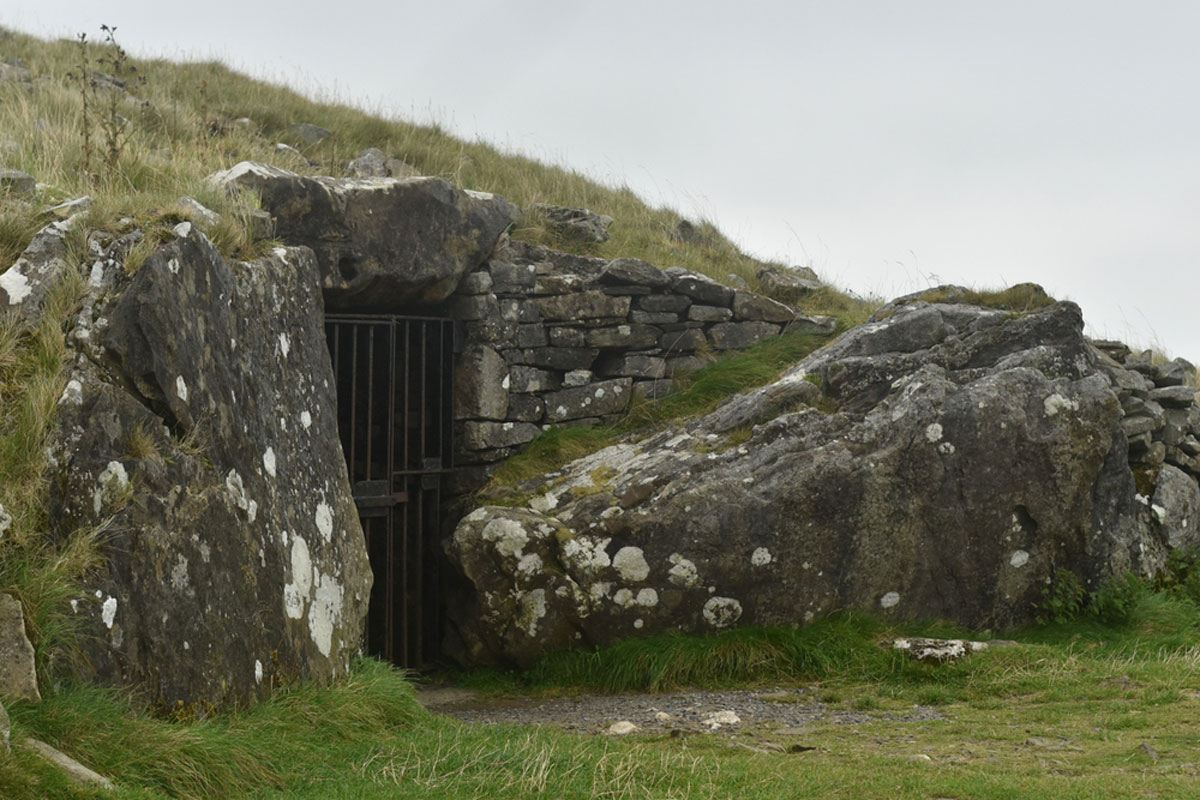
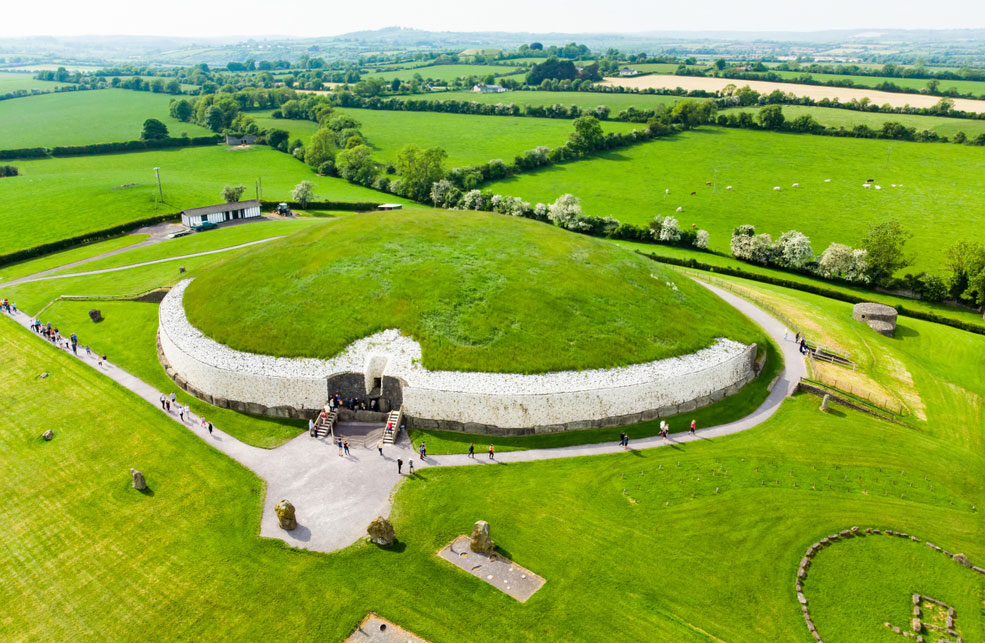
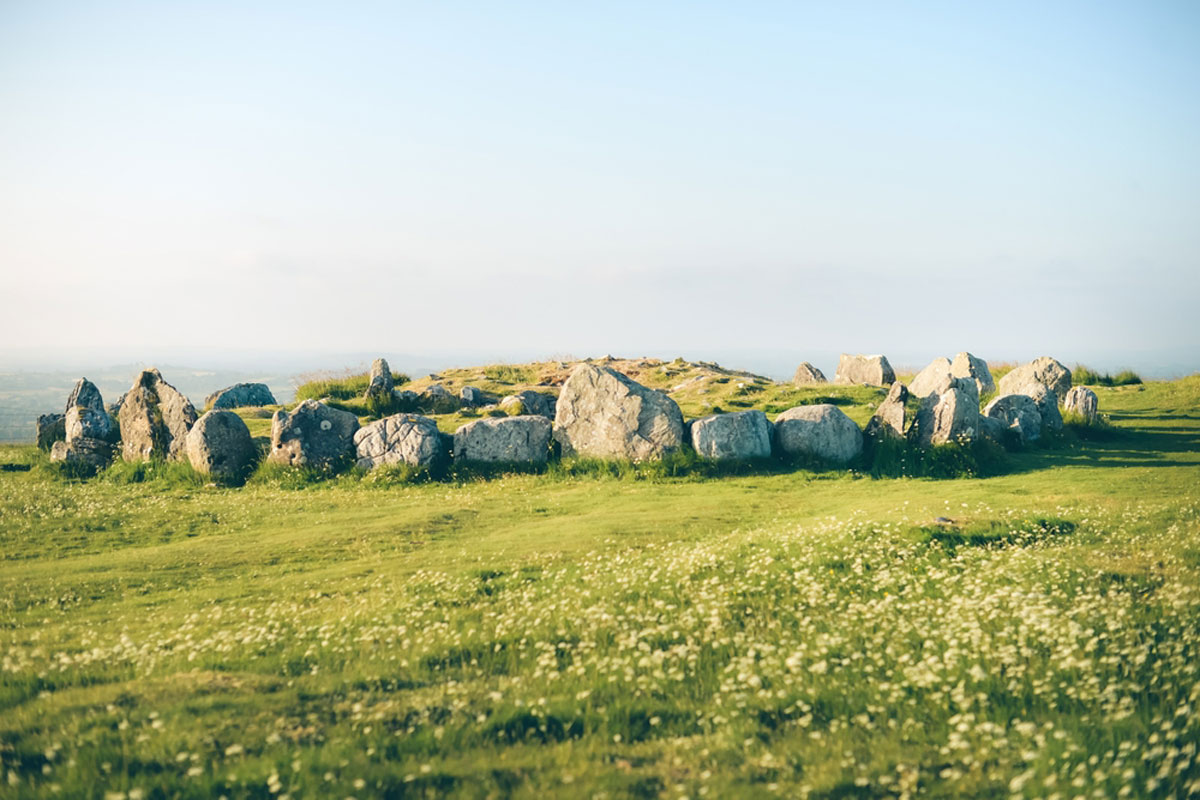
The most striking feature of the Loughcrew landscape is its cluster of Neolithic passage tombs, collectively known as the Loughcrew Cairns. Scattered across the Slieve na Calliagh hills, these monuments date back to around 3200 BCE, making them older than Newgrange and some of the oldest ceremonial sites in Ireland. Built by Ireland’s earliest farming communities, the cairns were used for ritual, burial, and celestial observation, revealing a society deeply in tune with nature and the cosmos.
The largest and most famous of the group is Cairn T, often called the “centrepiece” of Loughcrew. Inside, its passage leads to a chamber decorated with intricate carvings of spirals, lozenges, and solar symbols etched into the stones. Each equinox, the rising sun aligns perfectly with the passage, illuminating the carvings within—a dramatic demonstration of the builders’ astronomical knowledge. This phenomenon draws visitors and researchers every spring and autumn, eager to witness a spectacle that has repeated for over five millennia.
Surrounding Cairn T are dozens of smaller cairns, some partially collapsed, others still intact, forming a prehistoric ritual landscape. Together, they suggest Loughcrew was not a single tomb but a vast ceremonial complex, possibly a burial site for elite members of society and a place for seasonal gatherings tied to agricultural cycles. The elevated setting of the hills provided both visibility and symbolism, linking earth, sky, and the ancestors in one sacred place.
Legends later attached themselves to the cairns, weaving myth into the stones. According to folklore, the hills are named after the Hag of Loughcrew, a giantess who leapt from peak to peak, dropping stones from her apron to form the cairns. Such stories reflect the awe the site inspired, long after its original builders had gone.
Visiting the cairns today requires a short but rewarding climb up the Slieve na Calliagh hills. At the summit, the views are as impressive as the archaeology, stretching across counties Meath, Cavan, Westmeath, and beyond. The cairns remind visitors that Ireland’s ancient past is not confined to history books but written across the very landscape itself, waiting to be explored.
The Megalithic Centre: Heritage, Gardens, and Community
While the cairns crown the hills of Loughcrew, the Megalithic Centre at their base provides the perfect gateway for visitors. More than just a visitor centre, it is a vibrant hub that combines education, hospitality, and community spirit, helping travelers of all ages connect with Ireland’s deep past in a welcoming and accessible way.
The centre offers guided tours that bring the story of the Loughcrew Cairns to life. Knowledgeable guides explain not only the archaeology of the tombs but also the myths, legends, and local traditions that surround them. Exhibitions showcase ancient stone art, prehistoric tools, and interactive displays that highlight how the Neolithic people lived, farmed, and celebrated seasonal cycles. For those who want to understand the spiritual and cultural significance of the cairns, the centre is an invaluable resource.
Visitors will also find a charming café serving homemade fare, making it an ideal stop before or after the climb to the cairns. The café and shop emphasize local produce and crafts, reflecting the strong sense of community that defines the centre. Many travelers find that sitting in the garden with a coffee, surrounded by lush greenery, provides the perfect contrast to the stark stone landscapes above.
The gardens themselves are a highlight, designed as peaceful spaces where history and nature intertwine. Flower beds, meandering paths, and quiet corners invite relaxation, while interpretive signs connect the planting schemes to themes of heritage and mythology. Seasonal blooms ensure that the gardens are attractive throughout the year, offering a colorful complement to the dramatic stones of the cairns.
Crucially, the Megalithic Centre is not just for tourists but also for locals. It frequently hosts cultural events, music sessions, and educational workshops that keep Loughcrew’s heritage alive within the community. This spirit of sharing ensures that the site remains a living, breathing part of County Meath, rather than a static relic of the past. For visitors, this blend of archaeology, hospitality, and living culture makes the Megalithic Centre an essential part of the Loughcrew experience.
The Fairy Trail and Family-Friendly Experiences
One of the most delightful aspects of the Loughcrew Megalithic Centre & Gardens is its ability to engage visitors of all ages. While the cairns and heritage exhibitions appeal strongly to history enthusiasts, the site has gone to great lengths to make the experience welcoming for families with children. Chief among these attractions is the enchanting Fairy Trail, a magical walk that combines nature, play, and storytelling.
The Fairy Trail meanders through the centre’s gardens and woodlands, inviting children to search for hidden fairy doors, colorful houses, and whimsical characters tucked into trees and flowerbeds. Each stop along the trail encourages imagination, blending elements of Irish folklore with the natural beauty of the surroundings. Parents often find that the trail gives younger visitors a sense of wonder, turning what might otherwise be a challenging visit into a fun adventure for the whole family.
The trail also connects to a broader tradition of Irish storytelling, where fairies, or the Aos Sí, were believed to inhabit hills, groves, and ancient sites. By weaving these tales into the modern visitor experience, the Megalithic Centre not only entertains children but also keeps folklore alive as part of Ireland’s cultural heritage. For many families, this balance of myth and play makes Loughcrew an unforgettable stop.
Beyond the Fairy Trail, the centre offers other family-friendly amenities. Open spaces and picnic areas allow children to run freely and families to relax together after exploring the cairns. Seasonal events, such as storytelling sessions, arts and crafts workshops, and community festivals, ensure that there is often something special happening for younger visitors. The café’s menu also includes child-friendly options, making it easier for families to spend the day at the site.
By combining education with entertainment, the Megalithic Centre ensures that the mysteries of Loughcrew are accessible to all generations. Families leave not only with photographs and memories but also with a deeper appreciation of how Ireland’s heritage can be shared in creative, engaging ways. For parents planning a trip to County Meath, Loughcrew offers the rare opportunity to explore one of Ireland’s oldest landscapes while keeping children happily entertained.
Loughcrew’s Legacy in Irish Culture and Tourism
Loughcrew holds a unique place in Ireland’s cultural landscape, standing as both a monument to the distant past and a thriving part of modern tourism. For centuries, the cairns of the Slieve na Calliagh hills were shrouded in myth, seen as the work of giants, fairies, or the legendary Hag of Loughcrew. Today, while archaeology has illuminated their Neolithic origins, the sense of wonder remains very much alive, ensuring that the site continues to inspire imagination as well as scholarship.
In cultural terms, Loughcrew bridges Ireland’s dual heritage of history and folklore. The equinox alignment of Cairn T continues to draw spiritual seekers, astronomers, and curious travelers who gather twice a year to watch sunlight stream down the ancient passage. This rare connection between monument and cosmos highlights the sophistication of Ireland’s first builders and affirms Loughcrew as one of the island’s most important ceremonial landscapes.
Tourism has played a vital role in sustaining the site’s legacy. The Megalithic Centre has ensured that visitors not only encounter the cairns themselves but also gain context, stories, and a deeper understanding of their significance. By offering gardens, exhibitions, a fairy trail, and a warm community atmosphere, the centre has made Loughcrew a destination where families, historians, and casual travelers can all feel at home. This balance between preservation and accessibility is a model for how heritage sites can thrive in the modern age.
Loughcrew has also contributed to Ireland’s wider identity as a land of ancient wonders. Alongside Newgrange and Carrowkeel, it reinforces the international reputation of Ireland’s Neolithic heritage. Yet unlike more heavily visited sites, Loughcrew retains a sense of quiet and intimacy, rewarding those who seek out its hills with space to reflect and connect with the landscape. For many, this makes it a hidden gem within the Ireland’s Ancient East touring region.
Ultimately, the legacy of Loughcrew lies not just in its stones but in its ability to inspire. Whether through awe at its ancient tombs, delight in its fairy trail, or reflection in its gardens, every visitor takes away a piece of Ireland’s story. By blending archaeology, folklore, and community, Loughcrew Megalithic Centre & Gardens ensures that this remarkable heritage will continue to shape Ireland’s cultural identity for generations to come.
Historical and Cultural Sites
- Newgrange – A UNESCO World Heritage Site and ancient passage tomb dating back over 5,000 years.
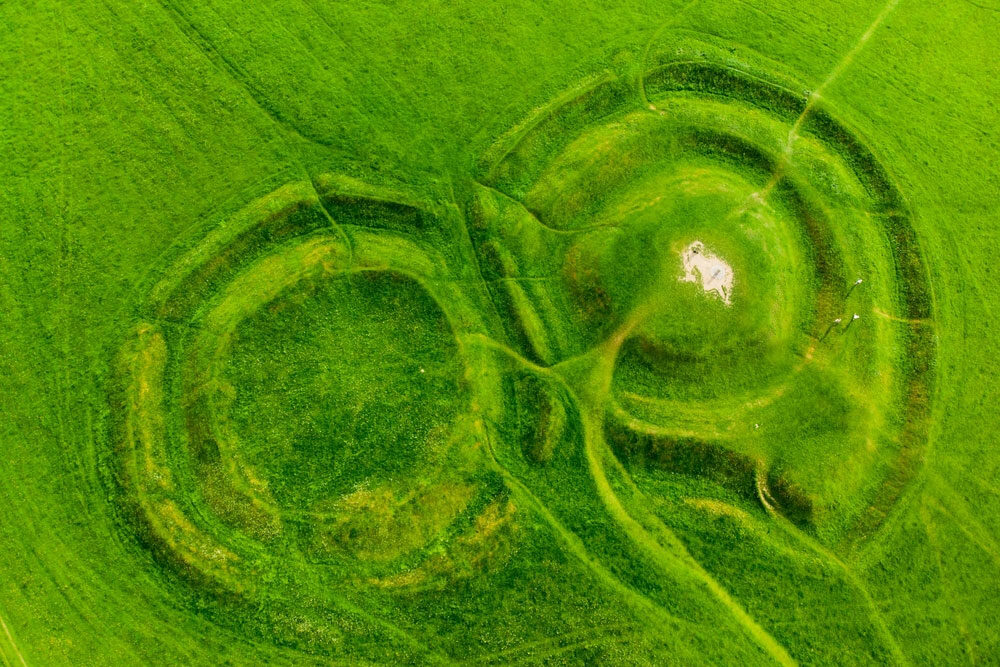
- Hill of Tara – The ancient seat of Ireland’s High Kings, with stunning views and archaeological significance.
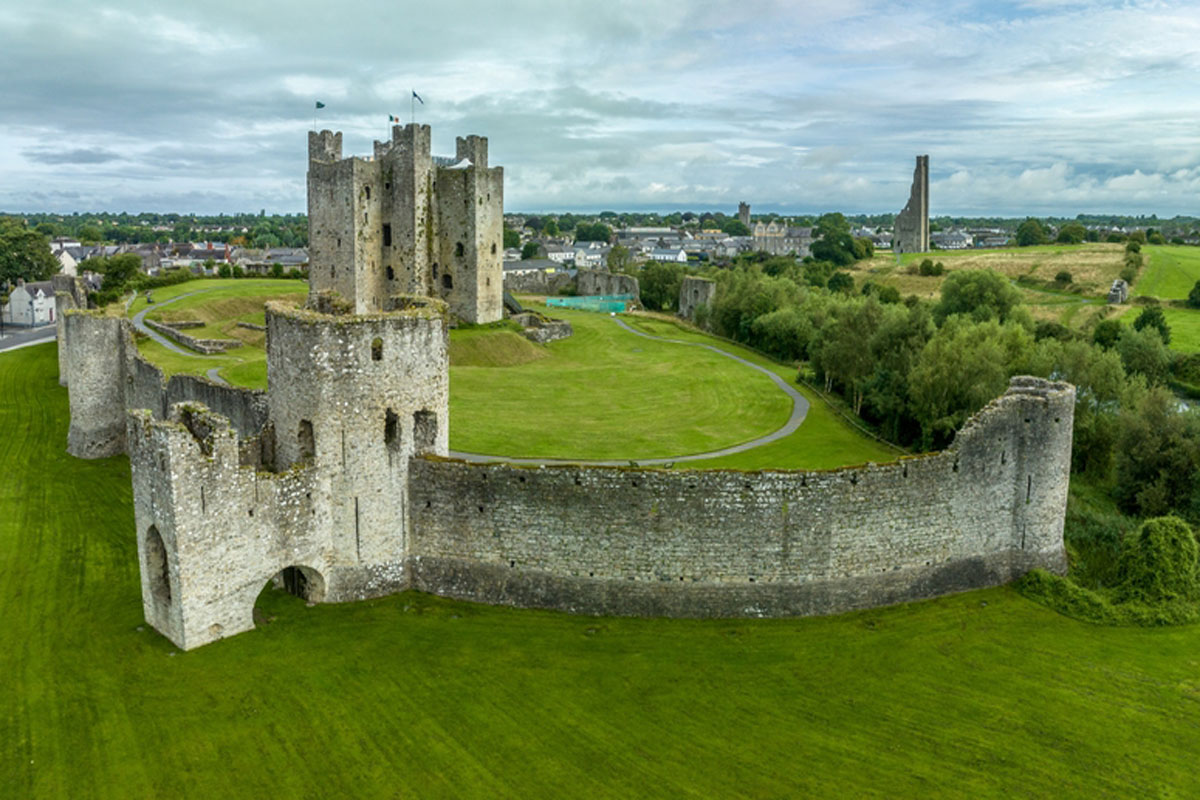
- Trim Castle – Ireland’s largest Norman castle, famously featured in the film Braveheart.
- Loughcrew Cairns – A complex of Neolithic tombs offering panoramic views of the surrounding countryside.
- Slane Castle – A historic castle hosting concerts and events, with tours and a whiskey distillery on-site.
Natural Attractions
- Boyne Valley – A region rich in history and natural beauty, following the course of the River Boyne.
- Balrath Woods – A tranquil woodland area perfect for walking and picnicking.
- Royal Canal Greenway – A scenic trail for walking and cycling along the historic Royal Canal.
- Bective Abbey – The ruins of a 12th-century abbey, offering a peaceful and atmospheric visit.
- Tayto Park – An amusement park and zoo, perfect for family outings.
Scenic Drives and Villages
- Kells – A heritage town known for its connection to the Book of Kells and its round tower.
- Slane Village – A charming village with historical sites and proximity to Slane Castle.
- Dunboyne – A picturesque village with quaint shops and traditional pubs.
- Oldcastle – The gateway to the Loughcrew Cairns and a hub for exploring nearby attractions.
- Navan – The county town of Meath, offering a mix of history, shopping, and dining.
Lakes and Water Activities
- Lough Sheelin – Known for its excellent trout fishing and scenic surroundings.
- River Boyne – Ideal for kayaking, fishing, and exploring historical landmarks along its banks.
- Hill of Slane – A site overlooking the River Boyne with historical and spiritual significance.
Unique Experiences
- Causey Farm – A hands-on farm experience offering activities like bog jumping, bread making, and traditional Irish music.
- Donaghmore Round Tower – A well-preserved 10th-century round tower near Navan.
- Kells Monastic Site – Featuring a round tower, high crosses, and a rich monastic history.
- Athboy Heritage Trail – A walking trail highlighting the history and landmarks of the town.
- Trim Heritage Town – Explore the town’s medieval past through its streets and landmarks.
County Meath offers a fascinating blend of ancient history, cultural landmarks, and scenic beauty, making it an essential destination for travelers.
Helpful Resources