


Table of Contents
- Introduction: Ireland’s Mountain Pass of Beauty
- The History and Heritage of the Vee
- The Landscape and Seasonal Highlights
- Driving the Vee: Tips for Visitors
- The Vee in Irish Culture and Memory
Introduction: Ireland’s Mountain Pass of Beauty
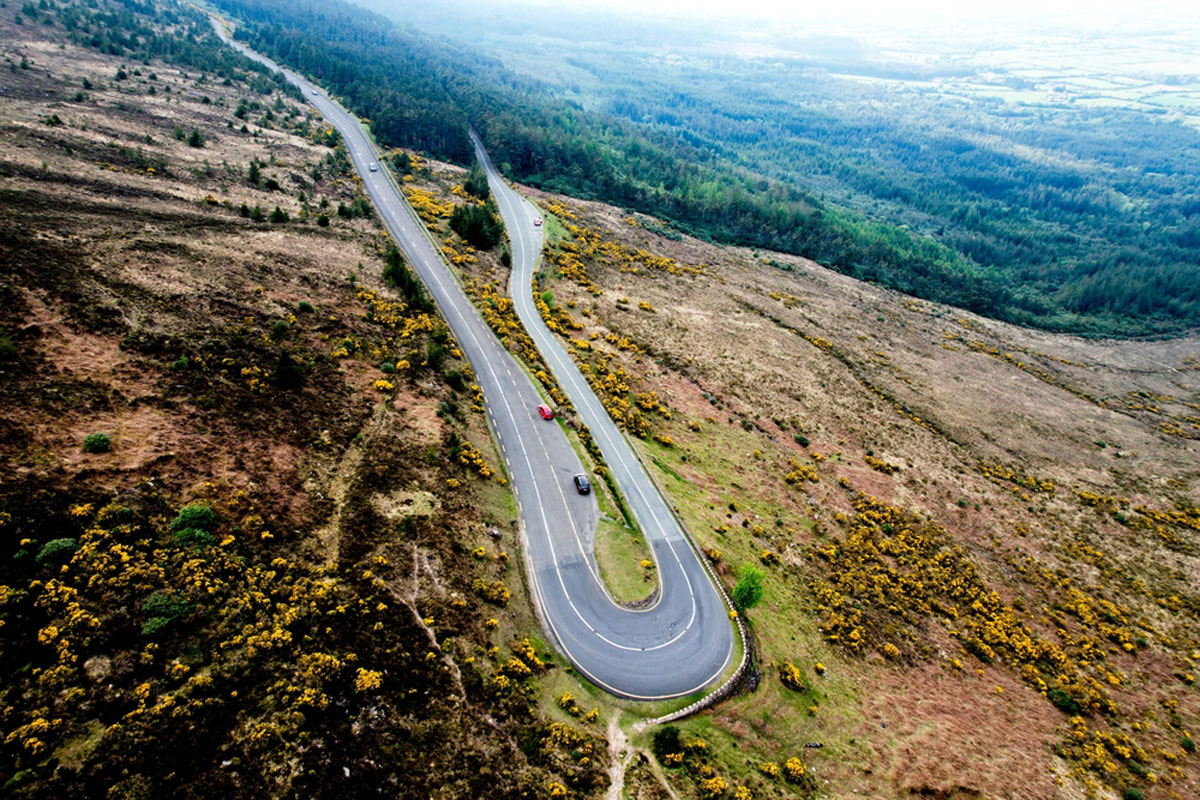
Nestled between County Waterford and County Tipperary, The Vee Scenic Drive is one of Ireland’s most breathtaking mountain passes. Carving its way through the Knockmealdown Mountains, this route has long been a favorite of locals, photographers, and travelers seeking a road less traveled. Its name comes from the sharp V-shaped bend near the summit, a dramatic curve that opens up to reveal one of the most spectacular viewpoints in the country.
At an elevation of over 450 meters, The Vee offers sweeping panoramas across the Golden Vale, Lough Galtee, and on clear days, even as far as the distant Galtee Mountains. The drive is a journey through a landscape that seems to shift with every bend – from lush valleys and woodlands to rugged mountain slopes and wild heather. For many visitors, the highlight is the summer spectacle, when the hillsides burst into a sea of purple as rhododendrons come into bloom, creating a natural display that feels almost otherworldly.
But The Vee is more than just a scenic road. It is a passage layered with history and culture, connecting the heritage-rich towns of Lismore in County Waterford and Cahir in County Tipperary. Along the way, travelers encounter not only jaw-dropping vistas but also reminders of Ireland’s past – from famine memorials and ancient routes to the enduring stories tied to this mountain pass. For centuries, the Vee has served as both a physical crossing and a symbolic threshold, linking east to west and highland to lowland.
Today, it is part of the Munster Vales touring region, attracting those who want to experience Ireland’s natural beauty without the crowds of more commercial tourist routes. Whether you come to hike, cycle, or simply drive and stop at the viewpoints, The Vee promises an unforgettable encounter with Ireland’s wild and romantic landscape.
The History and Heritage of the Vee
While The Vee is best known today as a scenic drive, its history runs deep through centuries of Irish life. The mountain pass has long been a natural crossing point through the Knockmealdown Mountains, connecting the fertile Golden Vale of Tipperary with the coastal lowlands of Waterford. Traders, herders, and travelers once used this high route to move livestock and goods across the Munster landscape, making it an important link between regions.
In the 18th and 19th centuries, the road was improved to serve the needs of local landowners and the growing towns in the surrounding counties. The sharp V-shaped turn near the summit, which gave the pass its name, was engineered to ease the climb through the steep slopes. Though vehicles have changed dramatically since those times, the road’s original layout remains, offering drivers a sense of continuity with the past as they ascend the winding pass.
The Vee is also a place of remembrance. At the top of the pass stands a Famine Memorial, a stark reminder of the suffering endured during the Great Famine of the 1840s. It marks the path where starving families once walked in search of relief and survival. This somber monument contrasts with the natural beauty of the surrounding hills, reminding visitors that the Irish landscape is shaped as much by human struggle as by scenic wonder.
Nearby, you’ll also find traces of Ireland’s monastic past. The valleys around The Vee were once home to early Christian settlements, and ruins of small chapels and ancient graveyards dot the landscape. These echoes of spirituality reinforce the idea that The Vee is more than a road—it is a cultural corridor, where faith, folklore, and survival all left their mark.
During the Irish War of Independence and Civil War, the remoteness of the Knockmealdowns made them a natural hiding place for volunteers and rebels. The hills offered both protection and vantage points, and The Vee itself occasionally played a role in local skirmishes and ambushes. This layered history gives the drive a richness beyond its scenery, making every curve of the road part of a much older story.
Today, while The Vee is cherished mainly for its beauty, its heritage remains embedded in the stones, trails, and memorials that line the route. For visitors, understanding its past adds depth to the journey, transforming a scenic drive into a meaningful exploration of Ireland’s history.
The Landscape and Seasonal Highlights
The beauty of The Vee Scenic Drive lies not only in its dramatic mountain pass but also in the ever-changing landscape that surrounds it. As you wind upward through the Knockmealdown Mountains, the scenery unfolds in layers—rolling farmland below, heather-clad slopes above, and wide horizons stretching far into the distance. The combination of rugged wilderness and gentle valleys creates a setting that feels both remote and welcoming.
One of the most famous highlights of The Vee occurs in late spring and early summer, when the hillsides erupt in a blaze of color. This is the season of the rhododendron bloom, when entire slopes turn vivid shades of purple and pink. The spectacle is so striking that it draws visitors from all over Ireland and beyond. While rhododendrons are not native to the region, their presence has become part of The Vee’s identity, turning the mountain pass into a painter’s palette of vibrant hues.
Autumn brings its own magic. The valleys glow in shades of amber, red, and gold, as woodlands along the lower slopes shed their leaves. Crisp air and softer light make this an ideal season for photography, while the clear views from the summit often stretch for miles across the Golden Vale. In winter, The Vee can transform into a place of quiet solitude. Dustings of snow on the peaks and icy winds remind visitors that this is a true mountain pass, a landscape shaped by the elements.
The panoramic viewpoints along the drive are another highlight. From the upper bends, you can see across to Lough Galtee and the Galtee Mountains, with their distinctive ridgelines forming the horizon. Looking back toward Waterford, the River Blackwater snakes its way through lush valleys, while on exceptionally clear days, the coastline glimmers in the far distance. These vistas are among the most rewarding on Ireland’s southern touring routes.
For hikers and nature enthusiasts, The Vee also serves as a gateway to trails that crisscross the Knockmealdowns. Short walks lead to quiet glens and forested paths, while more demanding hikes reach the peaks, offering perspectives that go far beyond the roadside views. Each season adds its own flavor, ensuring that no two visits to The Vee are ever the same.
Driving the Vee: Tips for Visitors
For those planning to experience The Vee Scenic Drive, preparation can make the journey even more enjoyable. The pass lies between Lismore in County Waterford and Cahir in County Tipperary, both of which are excellent bases for exploring the region. The road is well maintained and suitable for cars, motorbikes, and bicycles, though its twists and steep inclines demand care and attention, particularly in poor weather.
Most visitors approach from the Lismore side, where the climb feels gradual before the road sharply narrows into the famous V-shaped bend. Drivers should take their time, pull in at safe points to admire the views, and allow faster vehicles to pass when necessary. Cyclists and walkers also use the road, so caution and courtesy are essential. The summit area provides designated parking spots and viewing points, making it easy to stop without blocking traffic.
The best time to drive The Vee depends on what you want to experience. Summer offers the most dramatic scenery, especially during the rhododendron bloom, but it is also the busiest season. Spring and autumn provide quieter roads and equally stunning landscapes, while winter brings a sense of solitude—though drivers should be mindful of icy conditions and fog that can reduce visibility. Early mornings and evenings often deliver the most magical light for photography, casting long shadows across the valleys.
It is a good idea to combine your drive with stops in nearby towns and villages. Lismore is known for its magnificent castle, heritage centre, and riverside walks, while Cahir boasts a medieval castle and access to the scenic Galtee Mountains. Cafés and pubs in both towns offer the chance to refuel before or after tackling the mountain pass. Many visitors also link The Vee with broader touring routes, such as the Munster Vales and the Blackwater Valley.
Practical tips include wearing layers for changing weather, carrying water, and bringing a camera to capture the extraordinary vistas. Those interested in hiking may want to allow extra time to explore the trails that branch off from the roadside. With a little planning, The Vee is not just a drive but a memorable adventure through one of Ireland’s most enchanting landscapes.
The Vee in Irish Culture and Memory
The Vee is more than just a scenic road through the Knockmealdown Mountains—it is a place deeply woven into Irish culture, memory, and imagination. For centuries, this high pass has inspired travelers, poets, and storytellers, who saw in its dramatic landscapes not only beauty but also meaning. Its shifting skies, rugged slopes, and sweeping valleys evoke a sense of timelessness that continues to capture the Irish spirit.
In local folklore, The Vee has often been portrayed as a gateway between worlds: the fertile farmland of the Golden Vale below and the untamed wilderness of the mountains above. Legends of fairy activity, ghostly apparitions, and hidden treasures have been passed down through generations, lending the drive an aura of enchantment. The fact that ancient pathways, famine roads, and sacred sites crisscross the area only reinforces its reputation as a landscape rich with memory and story.
The pass has also inspired Irish literature and art. Writers from the 19th century onward celebrated The Vee’s wild beauty, comparing its summer bloom of rhododendrons to a natural festival of color. Today, photographers and painters continue this tradition, capturing the pass in shifting moods of mist, sunlight, and storm. The Vee has become a symbol of Ireland’s natural beauty—remote, dramatic, and ever-changing.
The cultural memory of hardship is also preserved here. The Famine Memorial at the summit ensures that visitors remember the struggles of those who once walked these mountains in search of survival during the Great Famine. This juxtaposition of natural splendor with historical sorrow is characteristic of Ireland’s landscapes, where beauty and tragedy often coexist.
For modern visitors, The Vee is a source of pride and identity. Locals see it not just as a tourist route, but as part of their heritage—a place that speaks of resilience, community, and connection to the land. Each year, thousands travel the road to experience the same vistas that generations before them admired, ensuring that The Vee’s place in Irish memory endures.
In the end, The Vee Scenic Drive offers more than a view—it offers a story. It is a living reminder of Ireland’s ability to weave nature, history, and culture into a single landscape, one that continues to enchant all who make the climb.
Natural Wonders
- The Giant’s Causeway – A UNESCO World Heritage Site featuring unique hexagonal basalt columns.
- Carrick-a-Rede Rope Bridge – A thrilling rope bridge linking the mainland to a small island.
- Cushendun Caves – Stunning caves featured in Game of Thrones.
- Glens of Antrim – A series of nine beautiful glens offering breathtaking scenery and walking trails.
- Fair Head – A dramatic cliff with incredible views, popular for hiking and rock climbing.
Castles and Historic Sites
- Dunluce Castle – A medieval castle perched on a dramatic cliff overlooking the sea.
- Carrickfergus Castle – A well-preserved Norman castle dating back to the 12th century.
- Shane’s Castle – A historic estate with a ruined castle and stunning grounds.
Coastal Attractions
- The Dark Hedges – A hauntingly beautiful avenue of beech trees featured in Game of Thrones.
- Ballycastle Beach – A scenic spot for relaxation and views of Rathlin Island.
- White Park Bay – A picturesque beach with stunning coastal views.
Islands and Marine Attractions
- Rathlin Island – Known for its wildlife, seabird colonies, and the Rathlin West Light Seabird Centre.
- Ballintoy Harbour – A charming harbor and filming location for Game of Thrones.
Museums and Cultural Sites
- Ulster Folk and Transport Museum – Showcasing traditional Irish heritage and transportation history.
- Belfast Lough – Known for maritime heritage, including the Titanic Quarter.
Scenic Drives and Routes
- Causeway Coastal Route – A stunning drive featuring some of Northern Ireland’s most iconic attractions.
- Slemish Mountain – Said to be the first home of Saint Patrick in Ireland, popular for hiking.
Unique Experiences
- Old Bushmills Distillery – One of the oldest whiskey distilleries in the world, offering tours and tastings.
- Glenarm Castle and Gardens – A stunning estate with historic gardens and seasonal events.
These attractions make County Antrim a must-visit destination for nature lovers, history buffs, and adventure seekers alike.
Helpful Resources

County Tipperary, known as the “Premier County,” is rich in history, stunning landscapes, and vibrant cultural heritage. Here’s a guide to its most notable tourist attractions:
Historical and Cultural Sites
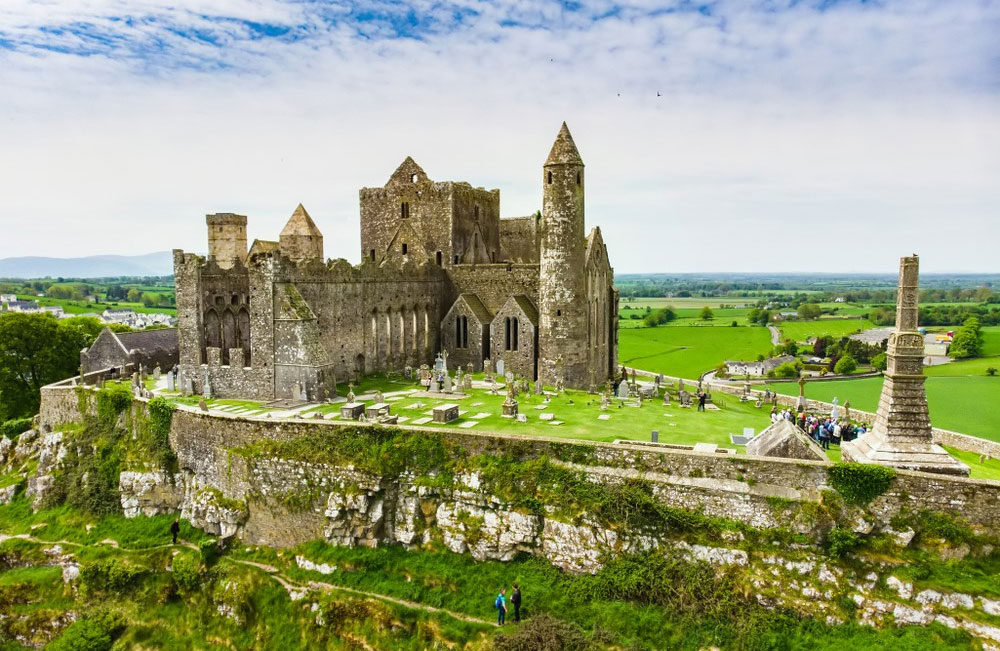
- Rock of Cashel: One of Ireland’s most iconic landmarks, this historic site features medieval buildings and breathtaking views.
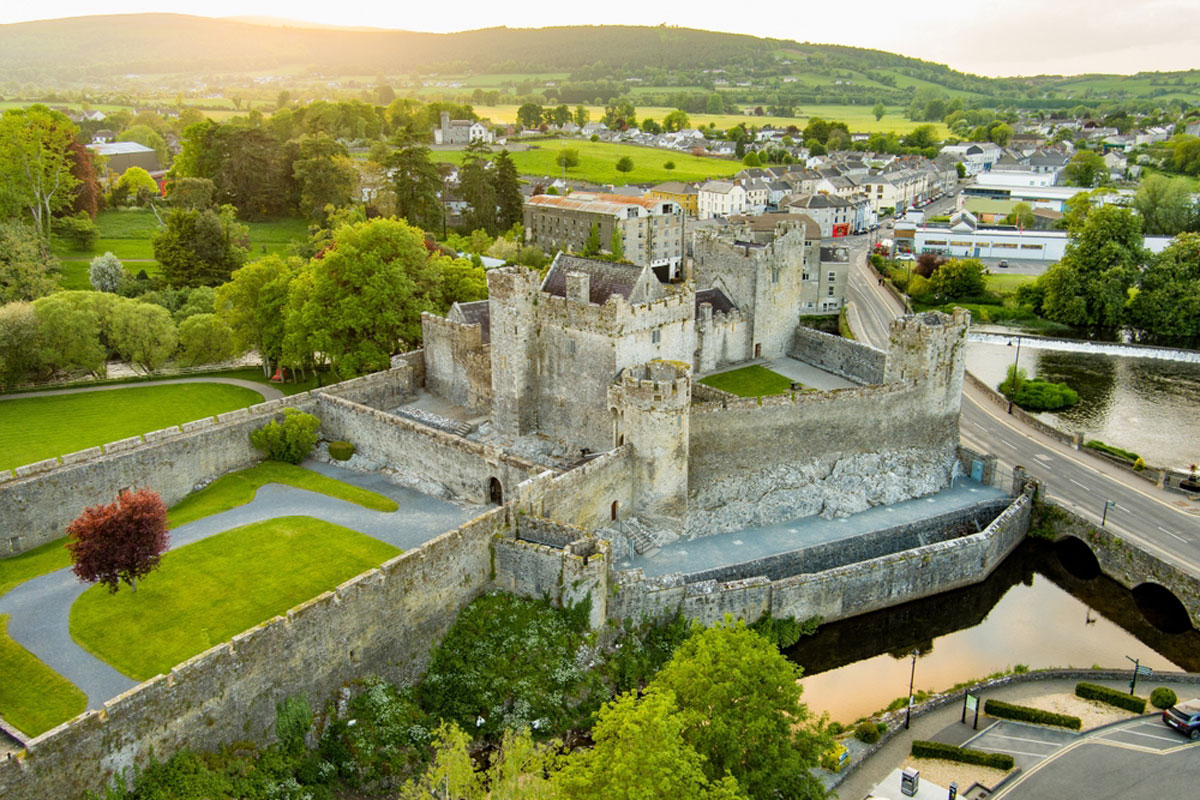
- Cahir Castle: A beautifully preserved castle situated on the River Suir, offering a glimpse into Ireland’s medieval past.
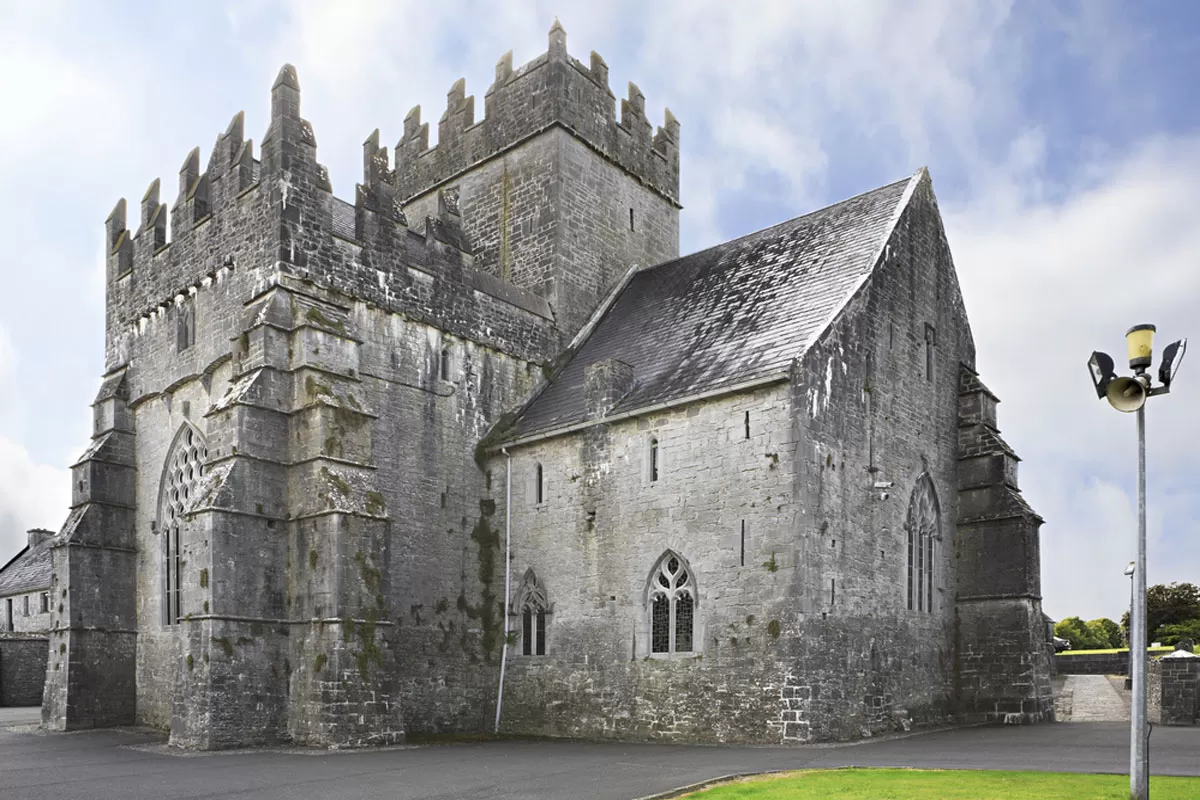
- Holy Cross Abbey: A restored Cistercian monastery and popular pilgrimage site.
- Swiss Cottage, Cahir: A charming 19th-century cottage ornée nestled in picturesque surroundings.
- Ormond Castle, Carrick-on-Suir: The best-preserved Elizabethan manor house in Ireland.
Natural Attractions
- The Glen of Aherlow: A serene valley surrounded by the Galtee Mountains, perfect for hiking and nature walks.
- The Devil’s Bit: A striking mountain steeped in legend, with scenic trails and panoramic views.
- Lough Derg: A large lake on the River Shannon, offering water activities and tranquil surroundings.
- Clonmel Town Park: A riverside park with walking paths and picnic spots.
- Slievenamon Mountain: A prominent peak with links to Irish mythology, offering challenging hikes and stunning vistas.
Scenic Drives and Villages
- Cashel: A charming heritage town centered around the iconic Rock of Cashel.
- Cahir: A riverside town with historical landmarks, including Cahir Castle and the Swiss Cottage.
- Nenagh: A bustling town with a historic castle and lively cultural scene.
- Carrick-on-Suir: A picturesque town with a rich medieval heritage and the scenic Blueway.
- Clonmel: A vibrant town known for its arts scene, shopping, and riverside walks.
Lakes and Water Activities
- Lough Derg: Perfect for boating, fishing, and exploring charming lakeside villages like Dromineer.
- River Suir: Ideal for kayaking, paddleboarding, and riverside cycling along the Suir Blueway.
- Templemore Town Park: A beautiful park featuring a tranquil lake, walking trails, and picnic areas.
- Keeper Hill: Offers picturesque forest walks and views over nearby waterways.
- Silvermines: An area of natural beauty with trails, streams, and stunning landscapes.
Unique Experiences
- Mitchelstown Cave: One of Europe’s finest showcaves, offering guided tours of its vast underground chambers.
- Tipperary Blueway: A scenic route for kayaking, paddleboarding, and walking along the River Suir.
- Roscrea Heritage Trail: Explore the town’s rich history with stops at Roscrea Castle and the Damer House.
- Galtee Mountains Adventure: Enjoy hiking, rock climbing, and horse trekking in Ireland’s highest inland mountain range.
- Thurles Farmers Market: Experience the best of Tipperary’s local produce and crafts.
County Tipperary is a treasure trove of history, culture, and natural beauty. Whether exploring its iconic castles, hiking through the majestic mountains, or enjoying lakeside activities, Tipperary offers a memorable experience for every visitor.
Helpful Resources