

Table of Contents
- Where Land Meets Legend: An Introduction to Rathlin Island
- Wildlife Wonders and Natural Beauty
- A Tapestry of History: From Vikings to Robert the Bruce
- How to Visit: Ferries, Trails, and Local Life
- Preserving the Past: Rathlin’s Culture and Community
Where Land Meets Legend: An Introduction to Rathlin Island
Rising quietly from the Atlantic just six miles off the coast of County Antrim, Rathlin Island is Northern Ireland’s only inhabited offshore island—and one of its most captivating hidden gems. With a population of just around 150 people, the island offers a peaceful, almost timeless contrast to the mainland’s bustle. Yet for all its stillness, Rathlin holds a rich tapestry of stories that span from ancient myth to modern wildlife conservation.
Shaped like a capital “L” and covering just under 6 square miles, Rathlin may be small, but it punches well above its weight in history, biodiversity, and sheer rugged beauty. It is a place where the road ends and the wild takes over—where puffins nest along cliffs, seals lounge on rocky beaches, and seabirds wheel above some of the highest sea cliffs in Northern Ireland.
For visitors, Rathlin is both a sanctuary and an adventure. Whether you’re standing at the cliffside RSPB Seabird Centre, watching the swirling bird colonies in summer, or tracing the story of Robert the Bruce’s fabled cave, the island invites you to slow down, breathe in the salt air, and reflect on a place shaped by isolation and resilience.
Only a short ferry ride from Ballycastle, Rathlin is increasingly drawing those seeking authentic experiences—be it birdwatching, hiking, cycling, or immersing in the island’s unique cultural life. With no crowds, no traffic lights, and few distractions beyond the sound of waves and seabirds, Rathlin is not just a destination—it’s a state of mind.
Wildlife Wonders and Natural Beauty
For many visitors, the main draw of Rathlin Island is its incredible wildlife and unspoiled natural landscapes. The island’s remote location and sparse population make it a critical sanctuary for flora and fauna—particularly seabirds. Every spring and summer, Rathlin becomes one of the most important nesting sites for seabirds in all of the British Isles, drawing nature lovers, birdwatchers, and photographers alike.
The island is home to over 250,000 seabirds during peak season. Among them are puffins, guillemots, kittiwakes, fulmars, razorbills, and even corncrakes. The RSPB Seabird Centre at the West Light is one of the best spots in Northern Ireland to observe these spectacular creatures up close. Built beside a clifftop lighthouse, the center provides telescopes and interpretive panels that help visitors appreciate the sights, sounds, and smells of the thriving seabird colonies nesting along the dramatic cliffs.
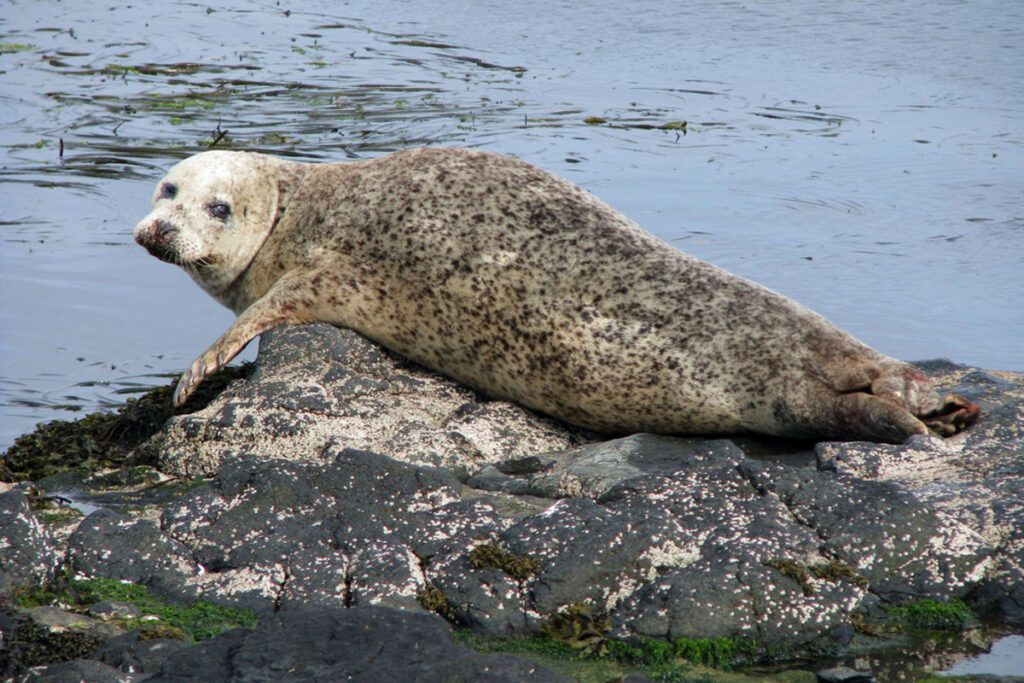
But Rathlin’s wildlife isn’t just in the skies. Look to the shores and you’ll spot grey seals and common seals lounging on seaweed-covered rocks or swimming near the beaches. In recent years, basking sharks and porpoises have also been seen in surrounding waters, especially during warmer months. And inland, the island’s bogs, meadows, and small freshwater lakes support a diverse range of plant life, including orchids, mosses, and rare wildflowers.
Walking or cycling the island’s network of quiet lanes and trails reveals stunning views in all directions—craggy headlands, wildflower-strewn meadows, and endless sea horizons. Rathlin’s three main walking routes—heading east, west, and south from the harbour—offer different perspectives and landscapes, each with its own highlights. The Roonivoolin Loop in the south, for example, passes by cliffs, old farmsteads, and an active bird hide where you may glimpse nesting choughs or peregrine falcons.
Conservation is key to Rathlin’s identity. Much of the island is designated as an Area of Special Scientific Interest (ASSI), and there are multiple environmental protection programs in place to safeguard habitats and species. Local farmers work in cooperation with the RSPB and other agencies to promote sustainable agriculture that supports biodiversity. As a visitor, you’re encouraged to follow Leave No Trace principles and tread lightly through this precious environment.
Whether you come to marvel at puffins bobbing on the sea, scan the cliffs for rare birds of prey, or simply stand in awe of the island’s untamed beauty, Rathlin offers a profound connection to nature that’s increasingly hard to find in the modern world.
A Tapestry of History: From Vikings to Robert the Bruce
Rathlin Island’s isolation has long made it both a refuge and a target. Its human story stretches back thousands of years, with archaeological evidence of Mesolithic settlement dating as far back as 6000 BC. Over the centuries, the island has witnessed waves of invaders, survivors, exiles, and legends—each leaving a lasting imprint on its rocky shores.
During the early medieval period, Rathlin became a spiritual outpost for monks and pilgrims, its remote cliffs offering a place of contemplation and solitude. However, its position along the North Channel also made it vulnerable to maritime powers. In the 8th and 9th centuries, Vikings raided the island, and it became part of a wider Norse-Gaelic seafaring world that linked Ireland, Scotland, and Scandinavia.
One of Rathlin’s most famous associations is with Robert the Bruce, the legendary Scottish king and national hero. In 1306, after suffering military defeat and being forced into exile, Bruce is said to have taken refuge on Rathlin Island. According to popular legend, it was here—hiding in a cave—that he observed a spider persistently building its web. The spider’s determination inspired him to persevere in his own fight for Scottish independence. Whether fact or folklore, this tale endures as a powerful metaphor of resilience—and the cave can still be visited today along the island’s eastern shore.
Less mythical but deeply tragic is Rathlin’s role in one of the darkest episodes of Irish history. In 1575, during the Elizabethan conquest of Ireland, English forces under the command of Sir Francis Drake and Sir John Norreys carried out a brutal massacre on the island. Over 500 members of the MacDonnell clan—mostly women, children, and the elderly—were slaughtered while seeking refuge in caves along the coast. The event remains a painful memory and is often cited as one of the worst atrocities of the Tudor era in Ireland.
Despite such violence, Rathlin’s story continued, shaped by maritime trade, agriculture, and its strategic importance. In later centuries, lighthouses were constructed to aid navigation through the perilous North Channel. The most famous of these is the West Light Lighthouse, built in 1919, notable for its “upside-down” design and dramatic clifftop location. It remains a working light and is now home to the RSPB Seabird Centre.
Rathlin’s layered history is visible in its place names, ruins, and traditions. From Celtic chieftains to Scottish exiles, from religious hermits to lighthouse keepers, each era has left its own echo. For those who visit, understanding Rathlin’s past adds even more depth to its already captivating present.
How to Visit: Ferries, Trails, and Local Life
Getting to Rathlin Island is easier than many expect—and well worth the journey. The island is just 6 miles off the coast of County Antrim and is reached by ferry from the mainland town of Ballycastle. Operated by Rathlin Island Ferry Ltd, the service offers both passenger-only and vehicle ferries, with several daily crossings depending on the season.
The scenic ferry ride takes about 25 to 45 minutes, offering views of the dramatic Antrim coastline and, on clear days, even the Scottish isles. As you approach the island, the rugged cliffs and rolling hills create a striking first impression—one that only deepens as you explore further inland.
Upon arrival at Church Bay, the island’s main harbour and settlement, you’ll find the visitor centre, post office, pub, and a small number of accommodations. While Rathlin is compact, it’s wise to plan ahead if you wish to stay overnight—especially in the high season, as rooms and cottages are limited and in demand.
Walking and cycling are the best ways to experience Rathlin. The island has three primary walking routes that extend from Church Bay: the southern trail to Roonivoolin, the western trail to Kebble Nature Reserve and the Seabird Centre, and the eastern trail toward Bruce’s Cave and Ushet Port. Bikes can be brought over on the ferry or rented from local providers. All routes are clearly marked and offer plenty of spots to pause, enjoy a picnic, or simply soak in the coastal views.
For those interested in guided experiences, seasonal tours may be available, focusing on topics such as wildlife, history, and island heritage. Local guides bring Rathlin’s stories to life with personal insights and a warm, welcoming spirit. Don’t hesitate to ask questions—Rathlin’s residents are famously friendly and happy to share their knowledge of island life.
In terms of food and drink, options are simple but satisfying. The island’s pub, McCuaig’s Bar, serves hearty fare and local ales, while small cafés offer soups, sandwiches, and baked goods—often featuring locally sourced produce. During summer weekends and festivals, pop-up food stalls and markets may also appear near the harbour.
Top visitor tips:
- Book ferries in advance, especially in summer or on weekends.
- Bring layers: the weather can change quickly, and the sea breeze is often brisk even on sunny days.
- Respect nature: stick to marked paths, don’t disturb nesting birds, and take all litter home.
- Check seasonal hours: attractions like the Seabird Centre and visitor services may close or reduce hours outside of peak months.
A trip to Rathlin isn’t just a visit—it’s an encounter with a slower, wilder way of life. You won’t find flashy shops or luxury resorts, but you will find quiet beauty, friendly faces, and a chance to reconnect with the rhythms of sea and sky.
Preserving the Past: Rathlin’s Culture and Community
Beyond its cliffs, caves, and seabirds, Rathlin Island thrives because of its people. With a close-knit population of around 150 residents, Rathlin is one of the few remaining places in Ireland where traditional ways of life endure—not as a performance for tourists, but as a living, breathing culture grounded in place, heritage, and resilience.
Life on the island has never been easy. Harsh weather, economic isolation, and limited services have historically challenged the community. Yet despite this—or perhaps because of it—Rathlin has developed a strong spirit of cooperation and pride. Locals are deeply connected to their land and sea, and many families have roots that go back generations.
The Rathlin Development & Community Association (RDCA) plays a key role in shaping the island’s future while preserving its past. Through sustainable planning, environmental stewardship, and cultural initiatives, the RDCA supports projects that range from renewable energy and marine conservation to language revival and oral history recording.
The Irish language, once widely spoken here, is seeing a gentle revival. While English is the everyday tongue, place names, songs, and stories still carry traces of Rathlin’s Gaelic heritage. Cultural festivals and community events often include traditional music, storytelling, and crafts that reflect this deep Irish-Scottish coastal identity.
Music and art are vital parts of island life. Traditional Irish sessions may take place in the pub or community centre, especially during summer festivals. Local artists, writers, and photographers draw inspiration from the island’s landscape and solitude, contributing to a growing creative scene. Visitors can sometimes purchase handmade items or see exhibitions at the heritage centre or during open studio events.
Rathlin also continues to honor its history through interpretive signs, local museums, and oral storytelling. Projects like the Rathlin Sound Maritime Festival (celebrated jointly with Ballycastle) celebrate the sea’s role in the island’s identity, with boat races, music, and food drawing visitors each May and June.
Above all, Rathlin’s greatest cultural strength is its sense of continuity. This is not a place frozen in time, but one where heritage and innovation work together. Young families have begun returning or staying, supported by improved ferry links, digital access, and a renewed appreciation for rural, sustainable living.
For visitors, engaging with this community—whether by chatting with a resident, joining a guided walk, or attending a ceilidh—is one of the richest aspects of any trip to Rathlin. You leave not just with memories of sea cliffs and seabirds, but with a sense of connection to a rare and enduring way of life.
Final Thoughts
Rathlin Island is more than just a destination. It’s a sanctuary of nature, a keeper of legends, and a resilient community holding fast against the tide of modern change. Whether you’re drawn by the wildlife, the history, the peaceful landscapes, or the warm spirit of its people, Rathlin invites you to slow down, look deeper, and return changed.